
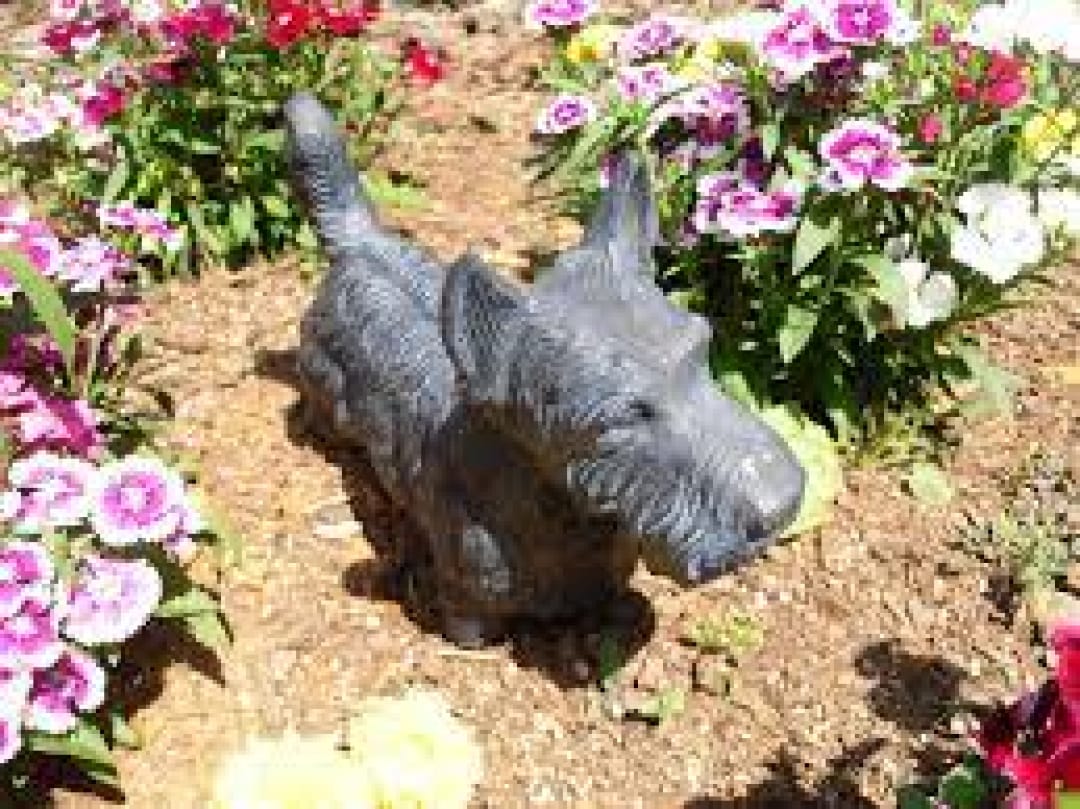
Dog parents who love gardening often find their flowers disturbed by curious puppies or adult dogs. With patience, positive reinforcement training, and strategy, it’s possible to keep your dog out of flower beds safely and respectfully. In this article, we take a look at how to keep dogs out of flower beds and how to make flower beds “off-limits” without harming your dog or your plants.
Understanding why your dog digs is the first step toward solving the problem. Dogs may target flower beds for several reasons. A dog with excess energy often seeks entertainment, and soft soil provides a tempting outlet. Certain breeds, such as terriers or Huskies, have a strong inclination to dig.
Some dogs sometimes dig to create a cooler spot in the dirt during hot days. Your flower borders might also be an attractive way to hunt prey, as they might house insects, burrowing critters, or lingering smells that pique your dog’s curiosity.
When you work out why your dog might dig in your flower beds, you can then address the behavior in a way that’s appropriate, consistent, and effective.
Positive reinforcement training is the foundation of keeping your dog out of flower beds, whether you’re training a puppy or a dog. Positive reinforcement training uses treats, praise, or petting to encourage good behaviors in your puppy or adult dog. You should be consistent in your training.
In the early days of training, watch your puppy carefully. Supervision allows you to redirect attention immediately and reinforce boundaries. You should also make sure that your pooch gets plenty of physical activity, tailored to their breed and age. Walks, fetch, and playtime help burn off excess energy that might otherwise be funneled into digging flower beds.
As well as physical activity, offer mental enrichment. Puzzle toys, treat dispensers, and interactive games keep dogs from getting bored. Boredom is a main cause of digging. A dog with a busy mind is less likely to turn your garden into a playzone!
For dogs who are natural diggers, giving them a place where they’re allowed to dig can work wonders. Create a dig pit for your puppy or dog. This could be a sandbox or a section of your yard where digging is allowed. Bury toys and occasionally hide treats in this area to reinforce that this is their “digging zone.”
Make sure it’s safe with no rocks or harmful debris that your dog could ingest. Give your dog plenty of praise when they use their dig pit. Over time, they’ll learn that flower beds are off-limits and digging is only fun in the designated space.
Avoid scolding or yelling if your dog makes a mistake and digs in the wrong place, as negative attention can actually reinforce digging behavior. Instead, use distraction techniques, redirect your dog with a toy or a command. Treat or praise your dog when they respond correctly.
Be consistent and make sure everyone in your household is aligned on the rules and enforcement. Over time, your dog will learn that flower beds are off-limits and good behavior is always rewarded.
Sometimes training alone isn’t enough. Adding physical boundaries can protect your plants while supporting your training efforts. You could use picket fences, which can help with smaller dogs. Place small decorative fences around flower beds to create a clear physical boundary.
Barrier plants along the edges can discourage dogs from crossing into your flower beds. Examples include lavender, rosemary, or ornamental grasses. You can also consider placing delicate flowers in areas of the yard your dog rarely visits.
If your dog keeps trampling plants, then try growing flowers in pots or raised beds to reduce temptation and protect fragile blooms.
Natural deterrents like spiky pine cones, mulch with rough textures, or even harmless noise-makers like buried balloons can discourage digging. Dogs also have incredibly sensitive noses, and certain scents can be used to keep them away from plants, but they should be used cautiously in small amounts. This includes citrus, coffee grounds, vinegar, or rubbing alcohol. These options are safe and inexpensive ways to protect your plants while training your dog.
If DIY methods aren’t working, there are plenty of commercial dog repellents available. They are formulated to be safe for plants but unpleasant to dogs, so your pup learns to avoid treated areas. Apply these when your dog is not present, so they associate the smell with the flower bed, not you, and reapply regularly for consistent results.
The most effective strategy combines teaching your dog boundaries with positive reinforcement, ensuring they have enough physical and mental stimulation. Give them a dedicated safe outlet for natural behaviors and reinforce the rules in the environment itself. By addressing both the behavior and the environment, you’ll see better results faster, and both your garden and your puppy will be happier.
Reward good behavior immediately, as dogs learn fastest when the timing is precise. Rotate deterrents occasionally, as dogs can get used to a single scent or barrier. Make the garden a positive space without stress. Your dog will respect boundaries faster in a calm, consistent environment. Keep their dig pit exciting, hide things in it, and keep it engaging, and your dog will choose it over your flower beds.
Keeping dogs out of flower beds doesn’t have to be a constant battle. With patience, creativity, and consistency, you can protect your plants while allowing your pup to be happy and healthy. Remember, your puppy isn’t “naughty”; they’re just following instincts.
By combining positive reinforcement training, environmental modifications, a safe alternative place to dig, and deterrents, you’ll create a yard where everyone can enjoy the outdoors: your colorful blooms are kept safe, and your puppy stays happy, enriched, and engaged!
20 January, 2023