
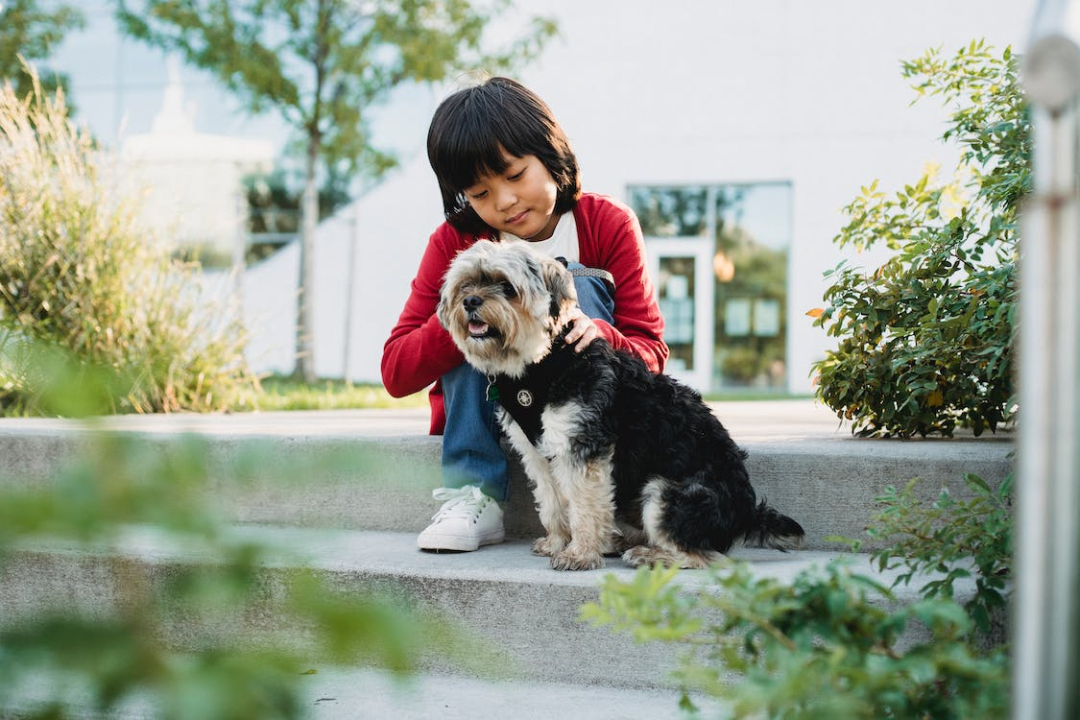
For generations, having children was often seen as a natural milestone of adulthood. But today, family structures and life choices are changing. More people are delaying marriage, choosing smaller families, or deciding not to have children at all. At the same time, something interesting is happening: many people are pouring their love, time, and nurturing energy into their pets, especially dogs!
Across the United States, dogs are increasingly being treated as beloved family members. Many owners use terms like “fur baby” or “pet parent” to describe their relationship with their dogs, and some even view their pets as a meaningful alternative to traditional parenthood.
In this article, we take a look at whether a dog really can become a replacement child, why so many people choose dogs over having children, and what makes the bond between humans and dogs so powerful.
Psychologists and researchers suggest that dogs can fulfill some of the emotional needs that people traditionally associate with raising children. Dogs provide companionship, affection, routine, and a sense of purpose, which are all things that many people seek when building a family. However, a dog does not truly replace a child. Raising a child and caring for a dog are very different experiences.
Instead, many people see their pets as another way to express love, responsibility, and nurturing instincts. For many adults, especially those who are not ready for children or have decided not to become parents, a dog can become an important and deeply loved member of the family.
Dogs do offer some practical advantages compared with raising children. They generally require less financial investment and fewer long-term commitments, and they provide a different kind of companionship. A person can welcome a dog into their life without needing to be married, own a home, or completely restructure their future plans.
Several social and economic changes have contributed to the rise of “pet parenting.” Younger generations, particularly millennials and Gen Z, are redefining what family means. Many are choosing to focus on careers, personal goals, financial stability, travel, or other life priorities before considering children, or instead of having them.
At the same time, dog ownership has increased, particularly among people living in cities and smaller households. Here are some of the reasons people choose dogs instead of children:
Cost is one of the biggest factors influencing family decisions today. Raising a child in the United States can cost hundreds of thousands of dollars over their lifetime when expenses such as housing, food, childcare, healthcare, and education are considered. For many people, welcoming a dog into their home feels like a more financially realistic way to experience family companionship.
By comparison, the average annual cost of owning a dog is significantly lower, although expenses vary depending on the breed, location, health needs, and lifestyle. Food, veterinary care, grooming, training, and supplies all contribute to the overall cost of being a responsible dog owner.
Having children often involves major life adjustments. Parents may need to reconsider career plans, housing choices, travel opportunities, and daily routines. Dogs require commitment too, but their needs are usually easier to manage.
Many people can continue working, socializing, and pursuing personal goals while still providing their dog with a happy and healthy life. This balance is one reason dogs appeal to busy professionals and people who value flexibility.
One of the biggest reasons people become attached to dogs is the emotional connection. For people who live alone or experience loneliness, a dog can offer meaningful companionship and emotional support.
Dogs are known for forming strong bonds with their humans. They greet their owners after a long day, provide comfort during difficult moments, and create a daily routine filled with affection and interaction.
Traditional ideas of family are evolving. Today, families come in many forms, including single-person households, couples without children, and families built around pets. A dog can bring structure, joy, and connection into a home without requiring the same circumstances traditionally associated with parenthood.
Many dog owners celebrate birthdays, create social media accounts, buy special treats, and include their pets in family activities. For them, their dog is not “just a pet”; instead, they are a cherished member of the household.
Dogs can also play an important role in families with children. Many parents introduce pets as companions for kids, especially in single-child households. While a dog cannot replace a human sibling, pets can teach children valuable life lessons. Caring for a dog helps children develop many useful skills such as responsibility, patience, empathy, compassion, communication skills, and respect for other living things.
Dogs can also become playmates and sources of comfort for children. Unlike sibling relationships, which can sometimes involve competition or disagreements, the relationship between a child and a dog is often built around trust and companionship.
The bond between people and dogs is unique. Dogs have lived alongside humans for thousands of years as companions, helpers, and loyal friends. Many owners describe their dogs as their family. They celebrate milestones together, prioritize their pet’s wellbeing, and make decisions based on what is best for their furry companion.
Calling a dog a “replacement child” does not necessarily mean someone views pets and children as identical. Instead, it often reflects how deeply dogs can become integrated into modern family life.
The decision to have children, adopt a dog, or do both is deeply personal. There is no single path that defines what a family should look like. For some people, raising children is their greatest joy. For others, building a life with a dog provides companionship and purpose. Many people also choose to enjoy both experiences at different stages of life. In the end, the choice is about what fits each person’s life, while ensuring that a dog receives the love, care, and commitment they deserve.
21 January, 2023