
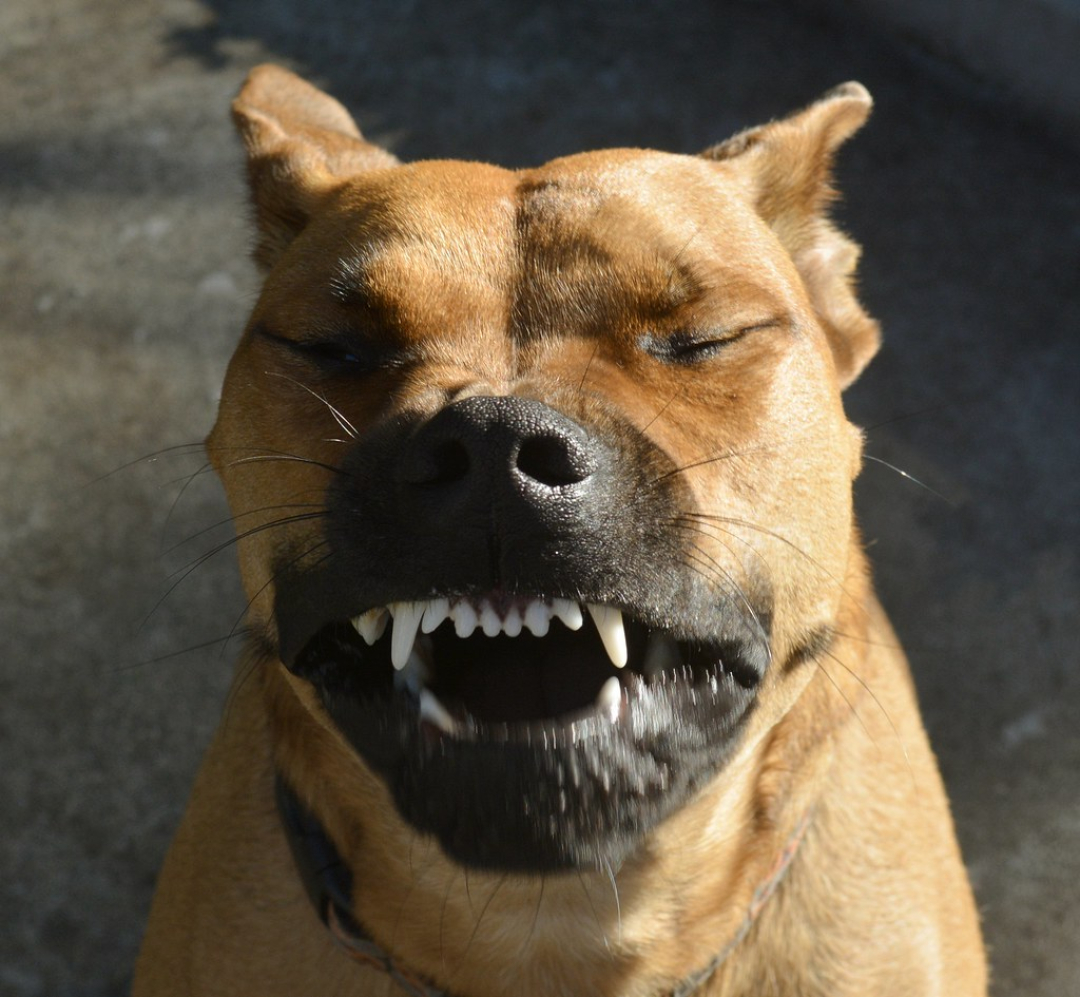
If you’ve ever watched your dog playing with another puppy or dog and, when excited during playtime, have noticed them start sneezing, you might be wondering why dogs sneeze when playing. A quick snort here, a sudden sneeze there, often right in the middle of an energetic game! So why do dogs sneeze when playing? Is it something to worry about, or just another adorable puppy quirk?
In most cases, sneezing during play is completely normal and even a positive sign. But dogs sneeze for many reasons, and understanding the difference between playful sneezes and problematic sneezing can help you better care for your four-legged friend.
In this article, we answer the question: Why do dogs sneeze when playing? We look at why dogs sneeze and whether it has to do with allergies or not.
A play sneeze usually sounds different from a regular sneeze. Instead of a sharp “achoo,” it’s often short, snort-like, softer, and quicker. This happens because dogs tend to wrinkle their noses and curl their lips during playful excitement, which in turn briefly restricts airflow and triggers a sneeze-like sound. Some dogs even hiccup during moments of intense fun! This is just another harmless sign of overstimulation.
You might have noticed your dog sneezing when playing, and many dogs do this, especially during high-energy moments like wrestling, chasing, or tug-of-war. When considering why dogs sneeze when playing? We can understand that these “play sneezes” are actually a form of communication and not related to illness!
Dogs communicate in a different way than their humans; they use body language and vocal cues when interacting with each other. Sneezing during play is one way dogs signal excitement and friendliness. It’s essentially your dog’s way of saying this is fun!
You’ll often notice ‘play sneezing’ alongside play bows, which is when they have their front legs down and rear end up. Also, when they are using loose, bouncy movements, wagging their tail, and when they have a relaxed mouth.
Another reason why dogs sneeze when playing? Is that when play starts to get a little intense, dogs may sneeze intentionally to de-escalate the situation. This dog's sneeze reassures their playmate that they aren’t aggressive and helps keep the interaction safe and enjoyable.
While dogs sneezing during play is nothing to worry about, dogs also sneeze for plenty of other reasons. Knowing what’s normal versus what’s not can help you spot potential issues early.
Allergies are one of the most common causes of dogs sneezing. Just like humans, dogs can react to environmental allergens such as pollen, dust, mold, grass, cleaning products, perfumes, or air fresheners, among other things.
If you are concerned, one way to identify the cause is to keep a log to track what your dog is doing and any potential causes. If your dog repeatedly sneezes after rolling around outside or when you use certain household sprays, then it might be dog sneezing due to allergies. When dogs are sneezing due to allergies, they may also have itchy skin, watery eyes, or frequent paw licking.
Sometimes, dogs sneeze simply because something tickles their nose. Dirt, grass seeds, dust, or even strong smells can irritate the nasal passages and cause sneezing. Dogs that love digging or sniffing around outdoors are especially prone to this. Occasional sneezing after outdoor play is usually harmless and resolves quickly.
If you suspect allergies, try to identify and remove the trigger. When that’s not possible, seek advice from your veterinarian, who can help diagnose the issue and recommend treatment options.
Dogs can catch mild respiratory infections that resemble human colds. Sneezing caused by a simple infection often clears up on its own within a few days. However, if you notice persistent sneezing, especially if paired with nasal discharge, coughing, or lethargy, then you should seek advice from your veterinarian. More serious conditions, such as bacterial infections or nasal obstructions, may require medical treatment.
Some dogs get into the habit of sneezing on purpose to get your attention. If your dog sneezes while staring at you, moving closer, or during predictable moments like mealtime or walk time, it may be learned behavior, and you have inadvertently taught them to sneeze! If sneezing once earned them attention, treats, or praise, they might repeat it.
Certain breeds are more prone to sneezing due to their anatomy. Flat-faced or brachycephalic breeds such as Bulldogs, pugs, Boston Terriers, and Pekingese have shorter nasal passages, which makes them more susceptible to sneezing and breathing noises.
Terriers and other sensitive-nosed breeds may also experience something called reverse sneezing, where the dog rapidly inhales through the nose. This might look alarming to dog owners, but it is usually triggered by environmental irritants and isn’t dangerous.
Occasional sneezing, especially during play or when exploring outside, is normal. But frequent or severe sneezing may indicate a problem. You should contact your local veterinarian if your dog shows any signs, such as constant or violent sneezing, thick or colored nasal discharge, blood from the nose, swelling around the face or nose, fever, lethargy, or loss of appetite. Your dog might have an infection, foreign object, dental issue, or growths in the nasal passages, which will need assessment, diagnosis, and treatment from a veterinarian.
So, why do dogs sneeze when playing? Usually, a dog's sneeze is simply a sign of excitement, communication, and joy, especially when playing. Play sneezing helps dogs keep interactions friendly and lets everyone know it’s all in good fun. It can also help de-escalate play when dogs get carried away!
There are some other causes of dog sneezing, from allergies to infections, but by paying attention to when and how your dog sneezes, you can easily tell the difference between a harmless play habit and something that needs medical attention. And enjoy watching your dog play, knowing that those funny sneezes are generally a way for your dog to let you know they’re having fun!
10 December, 2022