
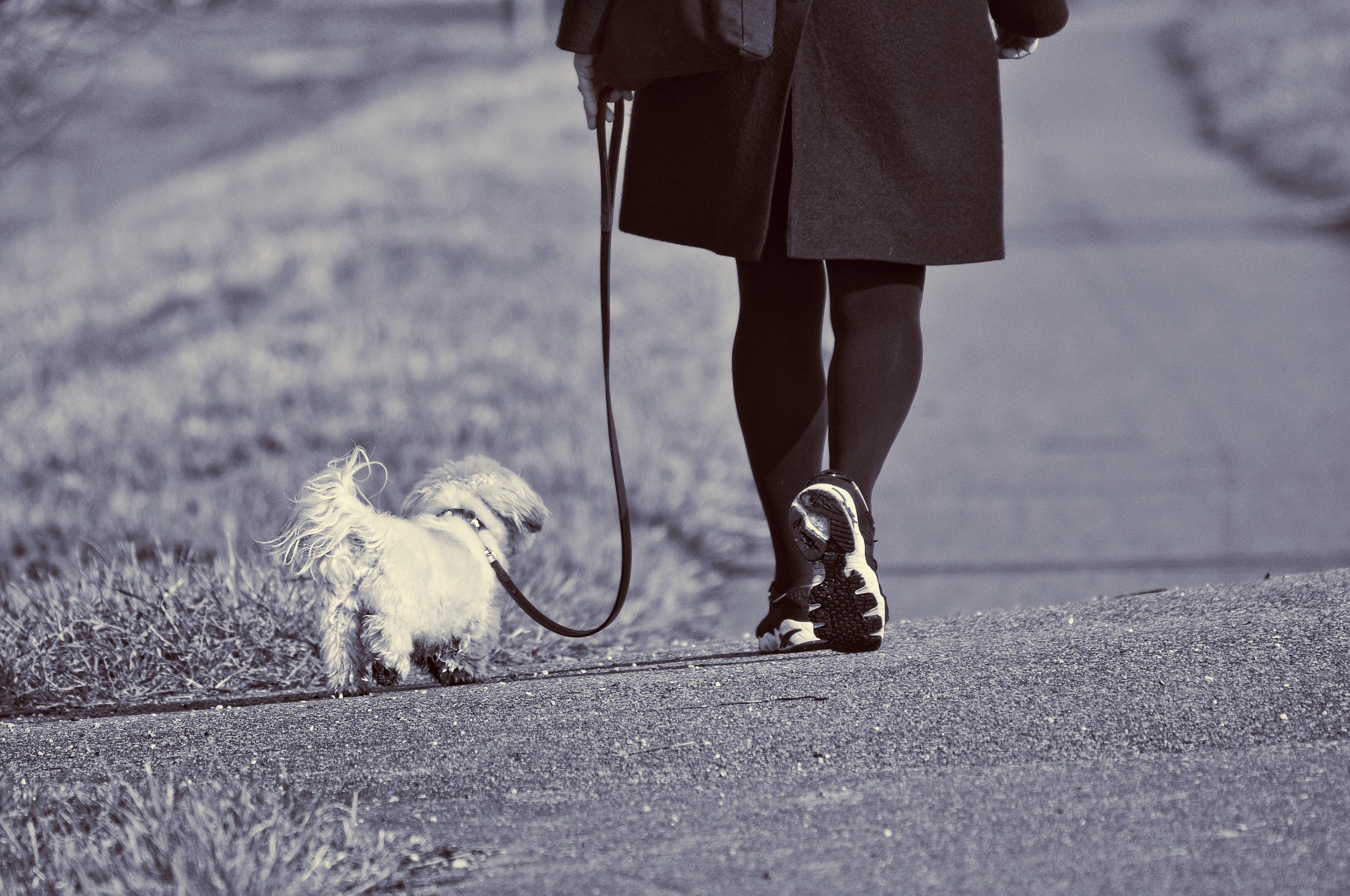
For many dog owners, taking their dog for daily walks is an essential part of keeping them happy and healthy. Walking helps maintain a healthy weight, reduces anxiety, and provides mental stimulation. However, busy schedules, illness, work commitments, or travel can make it difficult to give your dog the attention and exercise they need.
This is where professional dog walkers come in. Hiring a dog walker ensures your dog stays active, socialized, and cared for, even when your schedule doesn’t allow it. But like any service, the cost of dog walking can vary widely.
In this article, we’ll explore dog walking costs, what factors influence pricing, and how you can budget for this service in 2026.
Dog walking costs in the U.S. generally range from $15 to $35 per 30-minute walk. Rates depend on several factors, including your location, the walker’s experience, and any additional services they provide. Longer walks, multiple dogs, or extra services such as feeding or medication administration typically increase the price.
Average dog walking costs in 2026 are:
30-minute walk: $15–$35 per visit
60-minute walk: $25–$50 per visit
Walk for multiple dogs: $20–$60 per visit.
Additional services (medication, playtime, feeding): $5–$15 extra per visit
These are general averages, and your location, the number of dogs, and the walker’s experience can all influence the final price. Professional dog walkers offer more than just exercise. They provide supervision, socialization, and sometimes reinforcement of basic training. A trusted walker ensures that your dog is safe and happy while you’re away, giving you peace of mind.
The cost of dog walking is not a fixed amount and can vary significantly depending on several key factors. Most walkers offer a standard 30-minute walk. However, some owners prefer longer walks, such as 45 minutes to an hour, particularly for high-energy breeds. Longer walks usually cost more, often adding $10–$15 for every additional 15 minutes of walking.
Professional walkers with certifications in pet first aid, dog training, or behavior may charge more. Although these walkers are more expensive, they are better equipped to handle emergencies or special needs, providing extra peace of mind.
Walkers often give discounts for multiple weekly visits. Daily walks may come with a 10–20% discount compared to one-off sessions. By booking regular walks, you can reduce the per-visit cost significantly. If you have two or more dogs, costs can increase. Some walkers offer discounts for multiple dogs from the same household, but you should expect the price to be higher than for a single dog.
Dog walking rates also vary by city and region. Urban areas with higher costs of living, such as New York City and San Francisco, tend to have higher rates, typically $25–$35 per 30-minute walk. Smaller towns or rural areas usually charge $15–$25 per 30 minutes.
Some walkers offer extra services beyond the standard walk, such as feeding and water checks, playtime or socialization with other dogs, medication administration, and transportation to parks or vet visits.
Hiring a dog walker is more than just a necessary convenience; it provides significant benefits for both you and your dog when you’re unable to walk your dog. Regular walks help dogs maintain a healthy weight, release pent-up energy, and reduce anxiety, which is especially important for high-energy breeds. A consistent dog walks schedule creates a predictable day for your dog and provides opportunities for socialization with other dogs and people.
Choosing a professional dog walker to care for your dog allows you to focus on work, errands, or travel without worry. Trained dog walkers can also reinforce training cues, reduce boredom, and help curb destructive behaviors, ensuring your dog remains happy and well-behaved.
Professional dog walking doesn’t have to be a financial burden. You can make it more affordable by booking recurring visits. Many walkers offer discounts for multiple weekly sessions. You could share a walker with neighbors and share a walker for group walks.
You could combine services, as many pet sitters also provide dog walking as part of their in-home care packages. You can also save money by planning ahead: Booking walks in advance, especially during holidays or peak times, can help avoid last-minute premium fees.
It’s important to understand the difference between dog walking and dog sitting when budgeting for pet care. Dog walking primarily focuses on exercise and short-term supervision, usually 30–60 minutes. In contrast, dog sitting often includes feeding, overnight care, and more personalized attention, which makes it a more expensive service. Knowing the difference helps you choose the right level of care for your dog and budget accordingly.
When hiring a dog walker, it’s wise to consider experience, certifications, and reviews. You will want your dog to be in the care of a dog walker who has training and experience. Walkers with pet care, first aid, or dog training certifications may charge more, but they often provide higher-quality care, especially for pets with medical or behavioral needs.
Dog walking is a valuable service for busy dog owners, ensuring dogs get exercise, mental stimulation, and companionship. In 2026, typical rates in the U.S. range from $15 to $35 for a 30-minute walk, with longer walks, additional services, and multiple dogs increasing costs.
Hiring a professional dog walker is an investment in your beloved dog’s health and happiness. By understanding what affects costs and planning ahead, you can find a walker who fits your budget and provides excellent care for your companion and friend.
Whether it’s a short 30-minute stroll or a full hour of exercise and play, consistent attention from a reliable walker ensures your dog stays happy, healthy, and safe, and will mean that dog walking costs are worthwhile.
11 February, 2026