
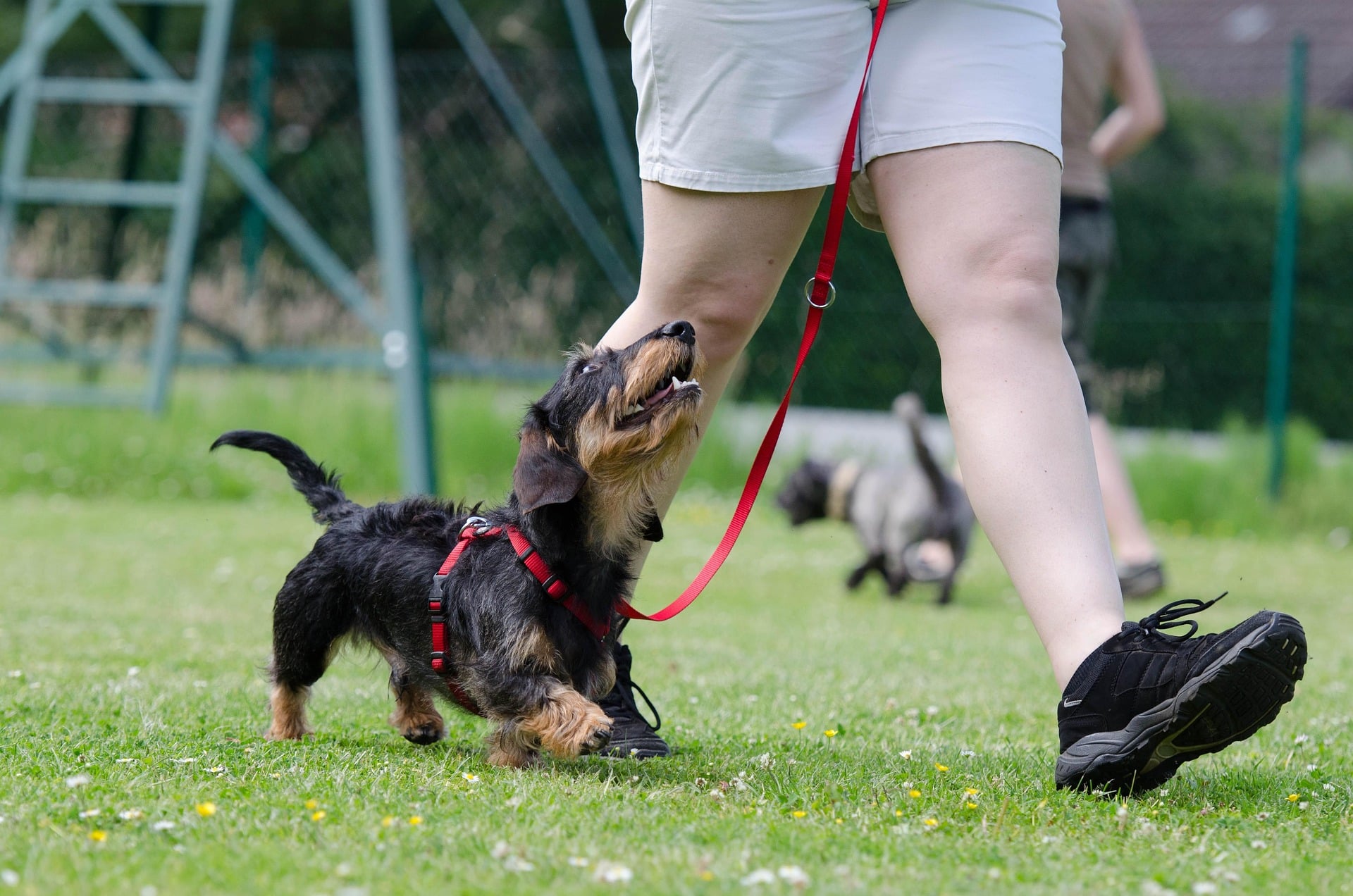
When you have welcomed a puppy to your home, you might decide you need to hire a dog trainer at some point. Finding the right trainer can make a world of difference in your dog's behavior, confidence, and overall happiness. Effective dog training helps build communication between you and your pet while encouraging good manners and positive socialization.
However, not all trainers use methods that benefit dogs and working with the wrong trainer can create fear, anxiety, and behavioral problems that may be difficult to undo. So it's important that you know how to distinguish qualified professionals from those using outdated or harmful techniques.
In this article, we take a look at some of the biggest red flags to watch for when choosing a dog training professional, and how you can evaluate a trainer's approach and credentials before signing up.
Dogs learn best when they feel safe, motivated, and understood. A skilled trainer can help address common issues such as leash pulling, excessive barking, jumping on guests, separation anxiety, poor socialization, and basic obedience challenges.
On the other hand, poor dog training methods can increase stress and confusion. Rather than solving behavioral issues, bad training may make them worse. That's why finding a trainer who prioritizes positive reinforcement and science-based methods is so important.
One of the clearest warning signs of a bad trainer is the use of fear-based techniques. It’s hard to believe, but some trainers still believe that dogs need to be dominated or controlled through intimidation. This may include yelling at dogs, alpha rolls, leash jerks, or startling devices.
While these methods may suppress behavior temporarily, they often fail to address the underlying cause of the problem. Fear-based dog training can damage trust between dogs and their owners while increasing anxiety and defensive behaviors. A good trainer focuses on teaching desired behaviors rather than punishing mistakes.
We all know how unique every dog is. Factors such as age, breed, personality, environment, and past experiences all influence how quickly a dog learns. Be cautious of trainers who make promises to guarantee results, particularly in a time frame, or that your dog will be perfectly obedient after their program.
Professional trainers understand that behavior modification is a process, not an overnight transformation. While experienced trainers can often estimate progress, no ethical trainer can guarantee identical results for every dog.
Dog training isn't just about teaching dogs; it's also about teaching owners. If a trainer wants to work exclusively with your dog while excluding you from the process, consider it a warning sign. A trainer who avoids owner involvement may be hiding ineffective methods or failing to provide long-term solutions.
Successful training requires consistency with the training at home as well as during sessions, so owners need to learn the techniques as well. Owners need to understand training techniques, reinforcement strategies, and communication cues. The best trainers empower dog owners with knowledge and confidence.
Professional trainers should be able to clearly explain why they use specific techniques, how dogs learn, what outcomes to expect, and potential challenges you might encounter. They should be transparent and open to explaining their methods so you can understand the training process. If they expect you to just trust them or dismiss you, then you may want to look elsewhere.
For years, many trainers promoted the idea that dogs are constantly trying to become the "alpha" of the household. Modern animal behavior research has largely debunked this approach. Unfortunately, some trainers still recommend training such as eating before your dog to establish dominance, forcing dogs onto their backs, and using physical corrections to gain respect.
Dogs do need guidance and boundaries, but leadership comes from consistency, trust, and communication, not by intimidation at all. A trainer heavily focused on dominance-based methods is not using current best practices, which rely on positive reinforcement.
Dogs communicate constantly through body language. A skilled trainer pays close attention to signs of stress, fear, frustration, and overstimulation. If a trainer ignores these signs and pushes your dog beyond their comfort level, the experience may become overwhelming and counterproductive. Good dog training respects emotional well-being as much as behavioral progress.
While dog training is not regulated in many parts of the United States, reputable trainers often pursue certifications and ongoing education. Look for trainers who invest in learning through professional organizations, continuing education programs, and animal behavior courses.
Credentials alone don't guarantee quality, but a commitment to ongoing education often reflects professionalism and dedication to best practices. Be cautious if a trainer cannot discuss their qualifications or learning background.
Behavioral issues rarely develop overnight, and they usually cannot be solved overnight either. Trainers who advertise instant transformations may be relying on suppression rather than true learning. So the dog looks like it has been trained, but it just fears correction.
Quality dog training focuses on long-term behavior change by teaching dogs alternative behaviors and coping skills. Progress may take time, but the results are often more reliable and are better for the dog's well-being and welfare.
A good dog trainer will use positive reinforcement methods, explain their techniques, and maintain up-to-date standards. They’ll understand your dog is an individual and be able to teach you as the owner as well.
Dog training can play a major role in helping your dog become a well-adjusted, confident companion. But choosing the wrong trainer can create unnecessary stress and setbacks for both you and your pet. By watching for red flags such as fear-based methods and unrealistic guarantees, you can make a more informed decision when selecting a professional dog trainer.
By taking the time to find the right trainer, you can build a stronger bond with your dog and support a lifetime of positive behavior!
03 August, 2026