
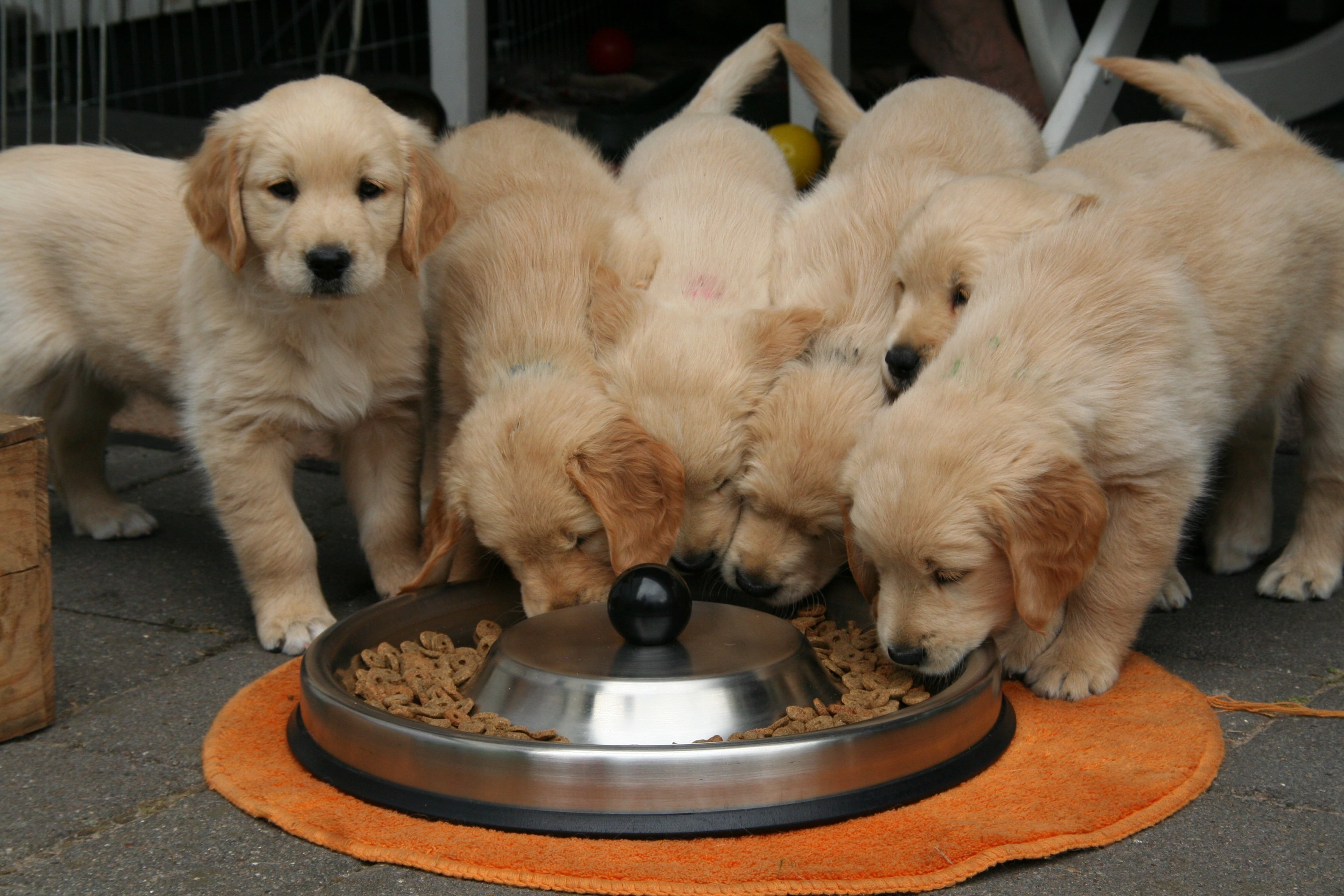
When looking through puppies for sale, it's not uncommon to come across a breeder mentioning the runt of the litter. For some buyers, this might immediately raise questions, like, "Is the puppy healthy?” or “Will it grow properly?” And perhaps most commonly, “should a runt of the litter cost less than its siblings?”
The reality is that the term "runt" is often misunderstood. While a runt may be the smallest puppy in the litter, that doesn't necessarily make it less healthy, less desirable, or even less valuable. In many cases, runts grow into happy, healthy adult dogs that are indistinguishable from their larger littermates. In this article, we take a look at whether or not breeders should reduce the price of a runt of the litter.
A runt of the litter is simply the smallest puppy born within a litter. Depending on the breed and the size of the litter, the difference may be barely noticeable or quite significant. Being the smallest puppy doesn't automatically mean there's a health problem. Many runts quickly catch up in size and go on to live long, healthy lives!
There are several reasons a puppy may be smaller than its siblings. It could be due to its position in the womb, genetics, or competition for nutrients during development. In some cases, a runt may need extra support in the first few weeks of life to ensure it gains weight and develops properly.
One of the most common myths about the runt of the litter is that they are weak or unhealthy. While some runts may face challenges early in life, many are perfectly healthy from the start. Responsible breeders closely monitor all puppies, paying particular attention to smaller pups to ensure they're feeding well and meeting developmental milestones as they do with all their puppies.
A puppy's long-term health depends on far more than its birth weight. Genetics, breeding practices, veterinary care, nutrition, and socialization all play a much larger role in determining how a puppy develops. This means that a healthy runt may be just as likely to thrive as any other puppy in the litter.
Some runts remain slightly smaller than their siblings as adults, while others catch up completely. It often depends on the breed, genetics, and the reason the puppy was smaller in the first place. For many families, a slightly smaller dog can actually be appealing, particularly if they live in apartments or smaller homes.
The important thing to remember is that size alone doesn't determine quality. A smaller puppy can still have an excellent temperament, strong health, and all the characteristics people love about the breed, especially when you are purchasing from a responsible breeder who focuses on the health and well-being of their dogs and puppies.
The idea that the runt of the litter should cost less often comes from the assumption that smaller means lower quality. In many industries, imperfections or variations lead to discounted pricing, so it's understandable why some buyers may think the same applies to puppies.
However, puppies aren't products rolling off an assembly line. Each one is an individual living animal with its own personality, health profile, and potential. A healthy runt that has received excellent care isn't necessarily worth less than its siblings simply because it was smaller at birth.
From a breeder's point of view, raising a runt of the litter can actually involve more work. The costs associated with responsible breeding remain the same regardless of size. Veterinary checks, vaccinations, deworming treatments, health testing, quality nutrition, and socialization all contribute to the care of every puppy in the litter.
Smaller puppies often require closer monitoring, more frequent weight checks, and additional support to ensure they're thriving during those crucial early weeks. Breeders may spend extra time hand-feeding or supervising nursing sessions to help the puppy develop properly. Because of this, many reputable breeders don't automatically reduce the price of a healthy runt.
There are situations where a breeder may decide to adjust pricing, but these decisions are usually based on factors beyond simply being the runt. For example, a puppy may have a cosmetic fault that prevents it from meeting breed show standards. Alternatively, the breeder may place the puppy with a pet-only agreement rather than breeding rights.
In these cases, pricing may reflect the puppy's intended role rather than its size. If a puppy has a health condition that requires ongoing treatment, ethical breeders should always be transparent about it and discuss any impact on pricing and future care requirements. Pricing should be based on the individual puppy, not just because they are a runt.
If you're considering a runt of the litter, focus on the factors that truly matter, as you would with any puppy. Ask the breeder about veterinary health checks, vaccination status, parent health testing, growth and weight records, temperament and behavior, and socialization experiences. A puppy's personality, health, and upbringing are far more important than whether it happened to be the smallest in the litter.
A reputable breeder should be happy to answer your questions and provide evidence that the puppy is healthy and developing normally. And if there have been any additional health issues, they should be transparent and share this with you.
While some runts may need extra support during their early development, many grow into healthy, happy adult dogs with no lasting issues. There is no universal rule that says a runt should cost less. If the puppy is healthy, well-socialized, and receiving the same standard of care as its siblings, a lower price may not be justified.
Many owners of runts report that their dogs grow into confident, affectionate, and energetic companions. Every dog is different, but being the runt doesn't determine how loving, trainable, or loyal a puppy will be. What matters most is responsible breeding and proper care. The best puppy is the one that is healthy, well-cared for, and the right fit for your family.
05 August, 2026