
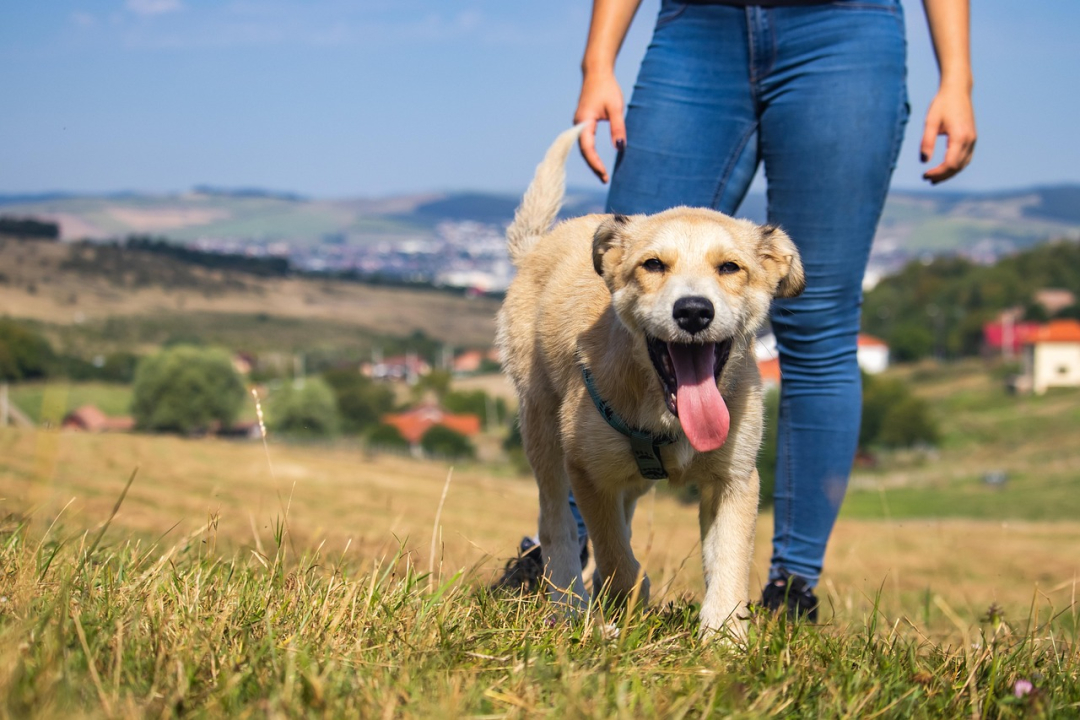
When you bring a puppy into your life, it is a joyful time, and you will have so many things to think about to settle your puppy into your home. When you purchase a puppy from a reputable and responsible breeder, you hopefully have been provided with a puppy pack with tips on how to help your puppy settle. A good breeder will have started training and be able to advise you on how to continue and build on what your puppy has already achieved.
How to teach a dog recall is one of the key training commands that you can teach your puppy. Whether in the backyard, at the park, on the beach, or on a hike, knowing that your dog will come back to you as soon as you call them is really important. The ability to come to you when you call their name is for the safety of your dog but also for your peace of mind. This training will require time to build on and develop through positive reinforcement.
In this article, we discuss how to teach a dog recall. Obedience training is an ideal way to build trust, develop a bond, and spend time getting to know your puppy.
One key reason for your puppy to learn dog recall training is that it is a crucial safety command to keep your puppy safe from danger, such as an aggressive dog, a cyclist, or something that could be harmful, like a body of water.
And if your puppy learns dog recall training, then they will be able to have greater freedom when out walking or hiking. You can trust your dog while walking together, providing them with independence and enrichment, yet still being under your control. This simple command can make trips out more relaxed and fun, but only if you learn how to teach your dog recall and work on this training as your puppy grows.
Consider enrolling in puppy obedience classes to learn how to teach a dog recall from a professional. These lessons give you the advantage of being able to socialize your puppy by meeting other dogs and their owners, and learning together.
If you decide to train your puppy yourself, you will need to use positive reinforcement training methods to reward your puppy when they give the correct response to a command. Positive rewards include praise, treats, and tummy rubs! You can try different rewards to see what suits your puppy. Pieces of chicken or cheese are popular treat options, and a real treat to most dogs!
Choose a safe, quiet location with few distractions for obedience training. Sessions should be tailored to suit your puppy and breed. Research has found that a dog’s skull shape can affect how they responds to different training methods.
Choose a consistent word as a cue to call your dog to you. You will need to ensure everyone in the family uses the same word, so as not to confuse your dog. You could use ‘come’ or ‘here’. And try to use the same tone, so your puppy doesn't get confused. You might want to use a whistle.
Start with short training sessions and increase the length as your dog gets older. Keep the training sessions consistent; you want to build bonds and trust with training sessions, and for it to be a positive experience for everyone.
When teaching a dog recall, start in a quiet place where there are minimal distractions. Decide on a cue and crouch down slightly, give the cue, and as your dog approaches you, reward them with the tasty treat and make a fuss of them. Repeat this a few times each day to get your dog used to the command.
Once your dog is responding well indoors, you can head outside with your dog on a long lead in a safe and quiet outdoor area. Call them with enthusiasm, and then when they come, reward the dog. If they ignore you, pull them in with the long line, but don't be angry with your dog.
Slowly add distractions, such as people and other dogs, and when your dog is consistently returning to your cue in the long lead, you can try off-leash. Keep going with training and positive reinforcement.
Dog recall training is a critical command to teach your puppy. It will help keep them safe and help build a trusting bond between you. Using positive reinforcement methods and building on the time spent training as your puppy grows, and with consistency, you can soon have your puppy returning to you on command. It is easy to learn how to teach your dog recall, so it should be a part of your regular training sessions with your puppy.
Your dog knowing this command will give you peace of mind and allow you, your family, and your puppy to enjoy walks and make the most of them!
03 September, 2025