
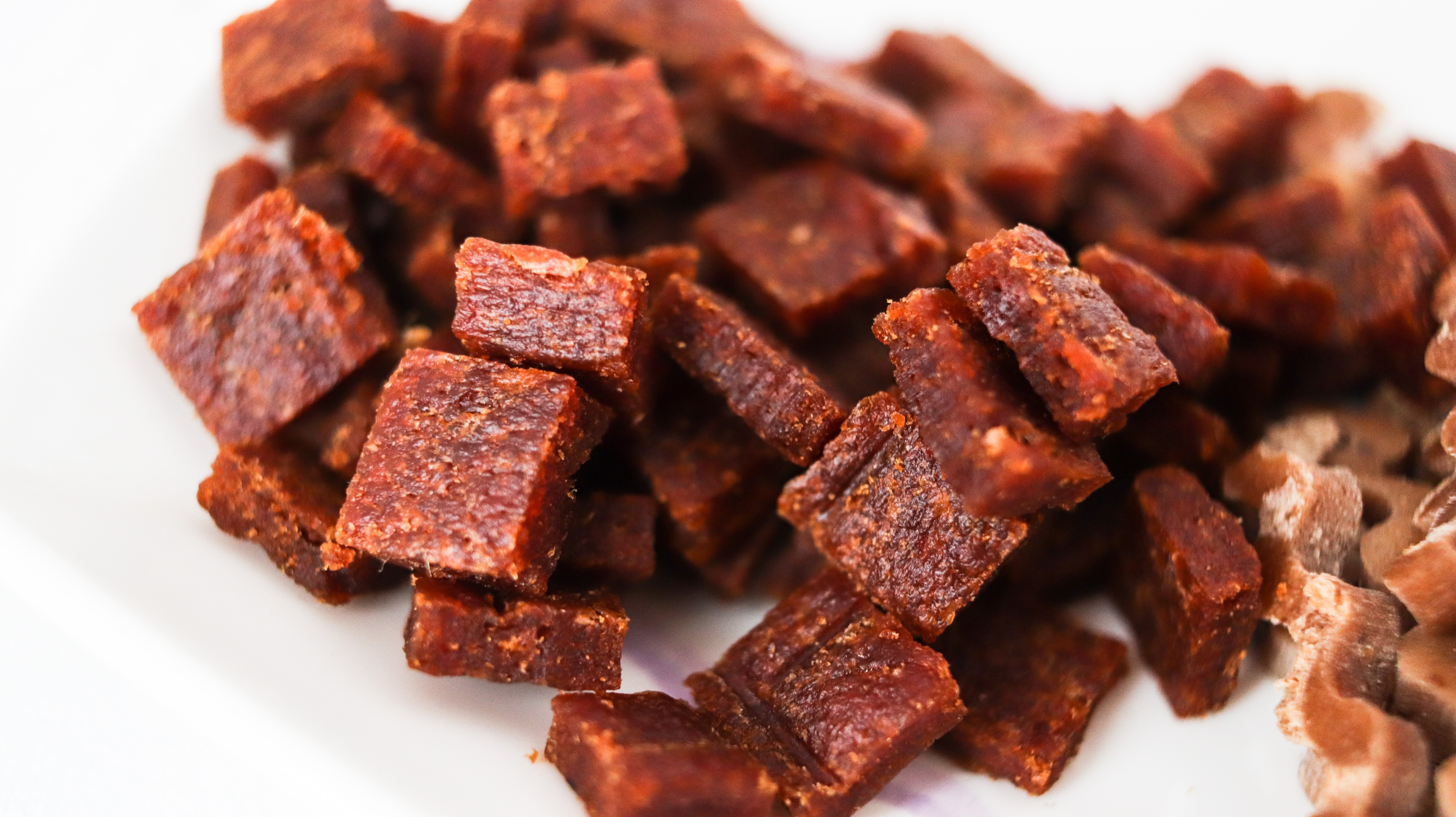
As a dog owner, you want to ensure you feed your dog the best diet, and you might have seen or heard of raw dog food and be wondering if this is a good idea for your beloved pooch. After all, dogs are related to wolves, aren't they? And surely a diet that looks close to a natural wolf's diet might be more suitable?
Well, it's not quite that simple. If you're considering switching your pooch to raw dog food, it's worth looking beyond the eye-catching bowls and bold claims. What your dog needs most is a diet that is safe, nutritionally complete, and appropriate for their individual needs.
In this article, we take a look at what raw dog food is!
Raw dog food generally refers to diets made using uncooked animal ingredients. Depending on the product or recipe, this can include raw meat, organs, bones, eggs, and other ingredients. There are commercially prepared raw diets available in the US, as well as homemade versions put together by owners.
Some are sold frozen, while others may be refrigerated, freeze-dried, or otherwise processed while remaining uncooked. The big attraction is obvious, as raw feeding can look fresh, natural, and minimally processed. For some owners, it feels like a more wholesome alternative to conventional kibble.
But a natural diet doesn't automatically mean it’s healthier. Plenty of things found in nature aren't particularly good for your dog, and a diet can look wonderfully meaty while still failing to provide all the nutrients your pet needs.
There isn't currently convincing evidence that raw meat-based diets provide overall health benefits that can't be achieved with a properly formulated cooked or commercial diet. But many dogs appear perfectly happy on raw diets, and owners may report changes such as firmer stools, enthusiasm at mealtimes, or improvements in their dog's coat.
The goal should be to provide everything their body needs in the right amounts, and if you're making raw dog food at home, you need to ensure you provide a carefully balanced combination of proteins, fats, carbohydrates, vitamins, minerals, and other nutrients. Getting that balance wrong over the long term can cause genuine health problems.
This is even more important for puppies as growing dogs have different nutritional requirements from adult dogs, and an imbalance can affect their developing bones and overall growth. A homemade raw diet that seems perfectly sensible to us can therefore be unsuitable for a growing puppy but talk to the breeder for advice.
If you're considering a homemade diet, speak with your veterinarian or a certified veterinary nutritionist rather than relying on a recipe found on social media. Your dog's nutritional requirements aren't something you want to leave to guesswork.
Some raw diets can be highly digestible, but digestibility isn't exclusive to raw food. Cooked diets can also be highly digestible, and the nutritional quality of the complete recipe is more important than whether the ingredients were cooked.
Your dog's age, size, activity level, body condition, and health all deserve consideration. If you have dogs of different breeds, they may thrive on different diets. And a healthy adult dog has different needs from a senior dog, while a growing puppy has yet another set of requirements.
High-fat diets can cause digestive upset in some dogs and can be inappropriate for dogs prone to certain conditions. Some dogs may experience vomiting or diarrhea after dietary changes, while others may simply refuse the food. If your dog develops persistent vomiting, severe diarrhea, abdominal pain, lethargy, or another worrying symptom after changing food, seek prompt veterinary advice.
Perhaps the biggest concern surrounding raw dog food is contamination. Raw meat can carry bacteria such as Salmonella, E. coli, Campylobacter and Listeria. Your dog may become ill after eating contaminated food, and it can also make your household ill.
A dog doesn't necessarily need to become visibly sick for bacteria from contaminated food to become a concern. Dogs can potentially shed certain pathogens in their feces, creating opportunities for people and other animals to come into contact with them.
This matters even more in households with young children, older adults, or people with weakened immune systems. So if you're thinking about raw feeding, don't just ask whether your dog can eat raw meat, consider who shares your home.
Raw animal products can also carry parasites. Freezing may reduce the risk from some parasites, depending on the specific organism and the conditions used. If you choose a commercial raw dog food, investigate how the manufacturer produces and handles its food rather than assuming that an expensive product is automatically safer.
Bones are another common feature of raw diets, and can offer potential dental benefits. Dogs certainly love chewing, but bones aren't risk-free. Hard bones can fracture teeth, while pieces that are swallowed can potentially cause choking, constipation, gastrointestinal obstruction, or other injuries.
And while chewing may help remove some material from the surface of a tooth, bones shouldn't be viewed as a replacement for proper dental care. Your dog's teeth still deserve regular attention, including appropriate brushing and veterinary dental checks where recommended.
Whether you choose to feed your dog kibble, canned food, or another properly formulated cooked diet or raw dog food, what matters most for your dog is that you make an informed choice. Choose food that is safe, nutritionally complete, appropriately formulated and suitable for your individual dog.
Raw dog food may work for some owners and their pets, but there isn't good evidence that feeding raw automatically makes a dog healthier. There are also genuine nutritional, bacterial, and physical risks to consider, so it might be a good idea to have a conversation with your vet.
Your pooch just wants something tasty in their bowl, and, most importantly, a diet that helps them stay happy, healthy and ready for their next adventure with you!
13 October, 2026