
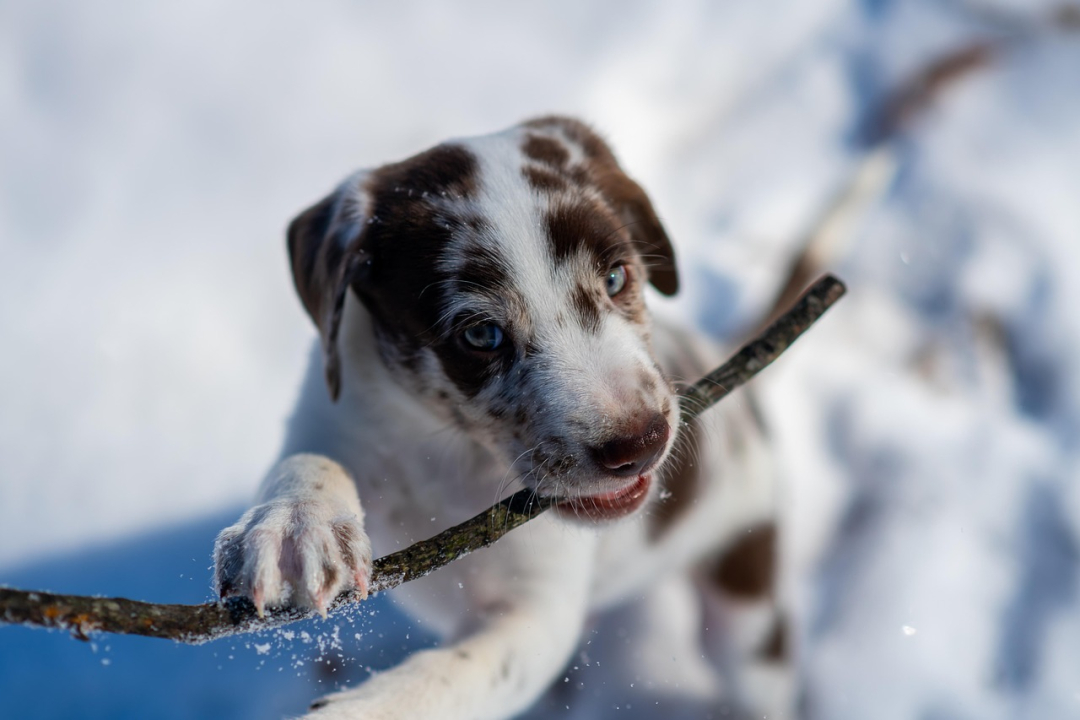
Your puppy chewing on various items within your home when teething is probably not news. But have you heard of a puppy eating socks? Puppies and adult dogs have chewed on and even eaten a range of items they shouldn’t.
For the vast majority of cases, there are few problems, but for some dogs, it can mean a painful lesson at the vet. Or worse!
You must keep loose items out of reach of your puppy and secure your home and contents. You should also provide plenty of enrichment, such as puppy-safe toys, games and exercise.
But what foreign objects are puppies known to have eaten, and why do dogs like socks?
Dogs are curious animals, and if you have owned a dog before or currently have a puppy, you are likely to have at some point questioned why your dog ate something. These items can range from household items to outdoor debris. Some of these incidents of ingesting foreign objects end with an emergency trip to the veterinarian, as they can cause intestinal blockage or damage. Some things that dogs ingest seem safe but are toxic to dogs and require a veterinarian visit. Examples of these include chocolate, raisins, onions and ibuprofen.
If you have heard of a puppy eating socks, then you are not alone. Socks are a commonly ingested household item. The reason might be because they smell of their owner. Dogs have also been treated when they have ingested underwear, baby pacifiers, rubber bands, packaging, and cotton balls. Be careful of remotes, batteries, and toys as well.
Outdoor items include insects, rocks, sticks, gravel, flowers and grass!
Luna, a 7-month-old Bernese Mountain dog, made headlines as a puppy eating socks. When a vet operated on her, they removed 24 socks and 20 other items! There were other cloth-based items, like scrunchies. She had emergency treatment after her abdomen became distended, and she started being sick.
Luckily, Luna survived thanks to veterinary care at the Corona Animal Emergency Center, California. They were able to perform successful surgery due to timely i. Luna has fully recovered and is back to normal. This story is an excellent lesson on why preventative care is so critical to ensure your puppy does not ingest foreign objects.
It’s a good idea to understand why a puppy might eat socks, as this can help when planning preventative measures. First of all, they could be bored or anxious, so you should train your puppy when young to manage when you leave them alone. Start with small lengths of time and increase the time as your puppy becomes more confident.
Ensure your puppy has plenty of chew toys that they identify as their own can help prevent your puppy from picking up items they shouldn’t be chewing on, like socks. Having a selection of different toys for your puppy or dog to play with will help prevent them from getting bored. Chew toys with softer parts can be comforting to puppies who are teething.
They could also be drawn to your scent on the socks, so giving your puppy a safe blanket that smells of you could be reassuring. Some dogs develop pica, where they eat non-food items. This can be due to nutritional deficiencies or behavioral issues.
If your puppy has eaten a sock or any other non-food item, you should seek veterinary advice.
Stay calm and check for symptoms that can include a distended stomach or pain, vomiting or diarrhoea, lethargy, inability to pass stools, and loss of appetite. You may have seen the puppy eat the sock or other non-food items and have been unable to stop them.
Reach out to your veterinarian and follow their advice. If they suggest you attend their surgery immediately, do not hesitate. Prompt treatment can be essential for a positive outcome in these cases. When dogs eat non-food items, they can cause intestinal blockages or perforations, so you must follow the advice of your veterinarian.
The best way to stop a puppy from eating socks and other non-food items is to ensure you use proactive measures to prevent this from happening. You should puppy-proof your home by moving hazardous or non-secure items that are out of reach. If you have young children, encourage them to tidy small toys and items away and not leave them out. You can use baby gates to keep your puppy away from potentially hazardous areas.
Ensure your puppy has a variety of toys for enrichment. Rotate them to maintain your puppy’s interest. You should also ensure your puppy has plenty of mental and physical activity. Encourage your puppy to burn off energy with outside games in a safe, secure space. Use this interaction with your puppy to keep them learning. One game you can play could be learning new commands through positive reinforcement training. These games help your puppy know what they can and can’t chew on!
Some puppies develop behavioral or anxiety-based behaviors, or they might be eating certain non-food items because they have a vitamin deficiency. So, you might want to consult with a veterinarian for advice or a professional dog trainer to help with behavioural issues.
It’s key to ensure your puppy is only eating their actual food and any treats you use for positive enforcement training. You don’t want your puppy chewing on or eating any items they find around your home or in your garden. Ensure you have plenty of appropriate toys for your puppy to chew on and play with. Being proactive and vigilant is key. But if you do find your puppy has eaten a foreign object, seek prompt veterinarian advice, as in the case of Luna above.
05 June, 2025