
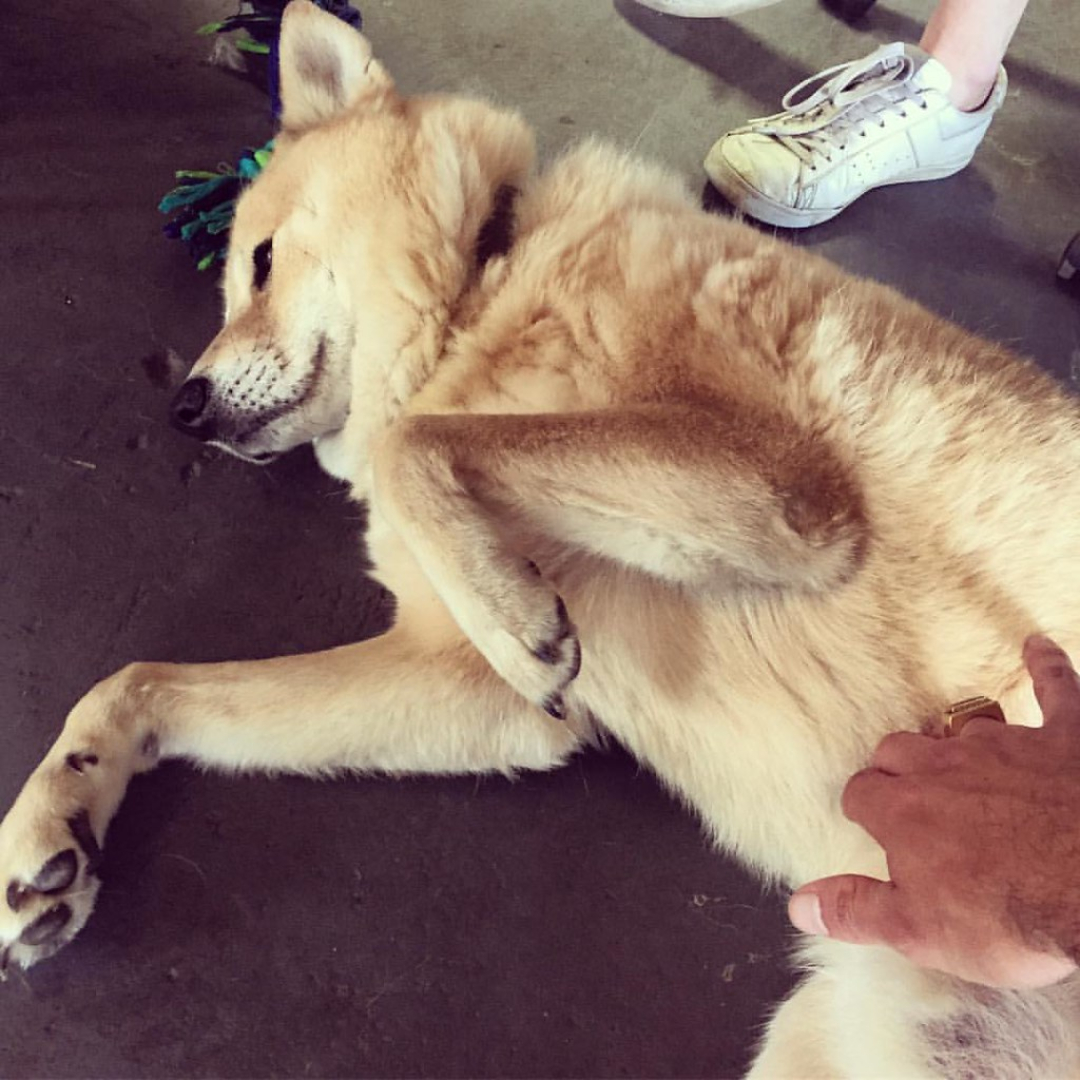
Dog owners will likely be used to their beloved pooch rolling over onto their back, sometimes dramatically exposing their stomach just ready for belly rubs! And you’ve probably wondered: why do dogs like belly rubs? It’s a really common and endearing dog behavior that we often see, and dogs do really seem to enjoy belly rubs. Belly rubs are loved by dogs, and you might be wondering why they engage in this behavior and if there’s more to this ritual than meets the eye.
In this article, we take a look at why dogs like belly rubs, what it really means, consider what biology lies behind this form of bonding, and how belly rubs play an important role in dog health and behavior.
When considering why dogs like belly rubs, at the most simple level, belly rubs simply feel good to dogs. A dog’s bellies have a high concentration of sensitive nerve endings and hair follicles that respond to touch. When you gently rub or scratch this area, those nerves send positive signals to the brain. In response, the brain releases “feel-good” chemicals like oxytocin, dopamine and serotonin.
This biological response explains why your dog might close their eyes in bliss, let out a satisfied sigh, kick one back leg in rhythm, and lean into your hand when they receive a belly rub. The rhythmic leg movement is a scratch reflex, a natural response triggered by stimulation of certain nerves under the skin. So belly rubs for dogs are just really pleasurable for dogs.
When a dog rolls onto their back and exposes their belly, it’s revealing one of the most vulnerable parts of their body. In the wild, this position would leave vital organs unprotected. So when your dog voluntarily shows you their belly, they are saying how much they trust you!
Dogs use body language to communicate much more than humans do. For example, in wolves, body language plays a major role in communication, and rolling over can signal submission within a pack. However, in our homes, especially with a beloved human, it’s often an invitation for a belly rub rather than a sign of fear. Belly rubs can help strengthen your bond with your dog and are a great way to boost your dog's wellbeing and support their mental health.
Physical touch is one of the most important ways humans and dogs communicate affection. Studies have shown that when people pet their dogs, both experience a rise in oxytocin levels, which is the same hormone released between parents and babies.
When you rub your dog’s belly, they feel pleasure, comfort, and are happy. When you see this, you are happy, and so the dog receives positive reinforcement, and belly rubs can reduce stress in both owner and dog! For many people, their dog is a family member they have a strong connection with, and belly rubs are a simple but meaningful daily ritual that supports emotional connection.
When considering why dogs love belly rubs, well, they can help your dog relax. A belly rub can help decrease heart rate, reduce stress hormones like cortisol, help muscles relax, and it can lower anxiety. Belly rubs are particularly beneficial for dogs who experience mild stress from thunderstorms, fireworks, visitors, or routine changes.
Not all dogs enjoy belly rubs in every situation. Personality, breed, and socialization can all play a part. And if your dog is tense, avoiding eye contact, or stiff when rolling over, it may not be an invitation; it could be a submissive gesture. Older dogs, particularly those with arthritis, might struggle to roll over as well. Understanding the difference is key to protecting your dog’s emotional health.
But dogs can be trained to enjoy tummy rubs and to relax with their owners. Dogs are incredibly smart when it comes to positive reinforcement. If rolling over leads to affection, attention, laughter, or praise, they quickly learn that it’s an effective strategy! If you laugh and enjoy the experience, you might find your dog becomes more dramatic as they flop down to make you laugh!
It’s a good idea to watch your dog’s body language to make sure they’re really enjoying the rub. Signs your dog truly enjoys belly rubs include a loose, wiggly body posture, soft eyes, a relaxed mouth, leaning into your hand, and staying on their back voluntarily.
Signs they may want you to stop the belly rub include turning their head away, lip licking or yawning repeatedly, tensing up, and trying to get up. When your dog has had enough belly rubs, they will just naturally get up, so let them do this.
Belly rubs can support dog health by reducing stress, promoting relaxation, strengthening emotional security, and encouraging healthy bonding. Keep belly rubs gentle, as you don’t want to irritate your dog's skin or cause discomfort. Belly rub time can double as a casual wellness check, and if your dog suddenly stops enjoying belly rubs or reacts painfully to touch, it may be worth consulting your veterinarian to rule out underlying health issues.
So why do dogs like belly rubs? Well, dogs like belly rubs for a combination of physical and emotional reasons; it feels good, it strengthens bonds and trust, and it can reduce stress and encourage fun and relaxation. When your dog rolls over and offers their belly, it’s often a blend of instinct and affection. It’s a small gesture that carries a big message: comfort, safety, and love. That simple belly rub isn’t just a cute moment, it's a powerful interaction that supports your dog’s happiness and health and helps you build a lasting bond between you. And it can often be a better form of engagement than giving a dog a hug.
03 December, 2022