
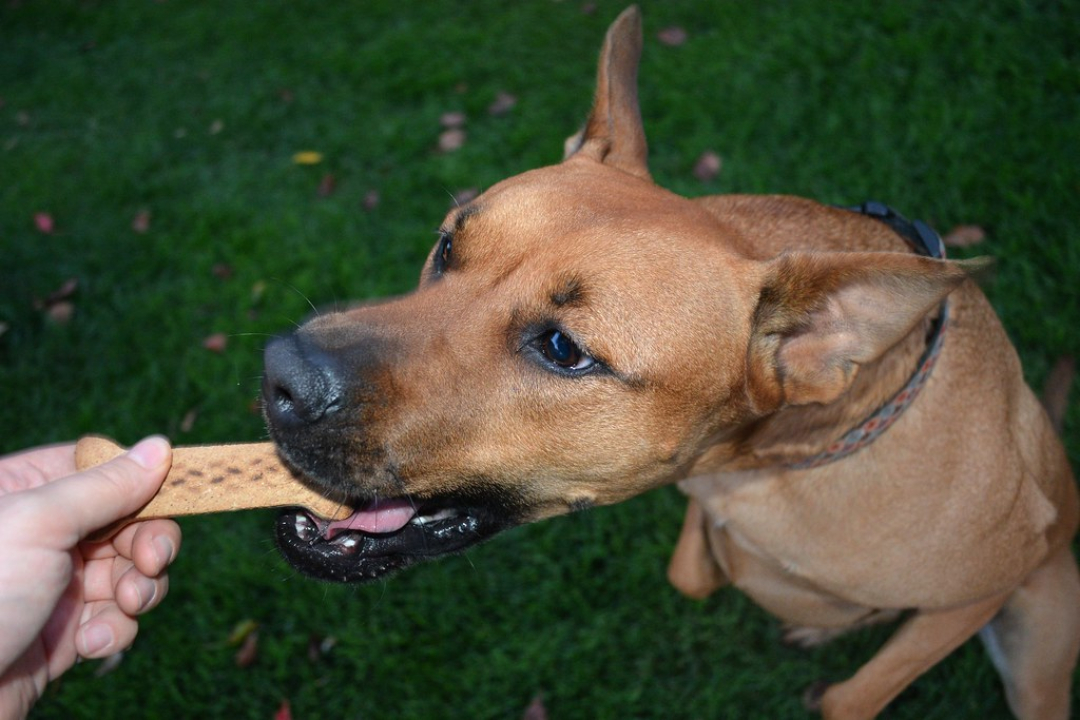
If your dog refuses his food but eagerly accepts treats, it’s a common and often concerning problem. Many dog owners notice their dog ignores a bowl of nutritious food but perks up at the sound of a treat bag. Rest assured, you are not alone in facing this issue.
In this article, we examine this common problem among dog owners. While in many cases the cause is something simple and fixable, and you can soon help your dog get their appetite back, it can also signal a deeper issue with your dog’s health, routine, or behavior.
Dogs can sometimes go off their food simply because they are bored with it. They can, understandably, get tired of eating the same thing every day. While many dogs are perfectly happy with a consistent diet, some might eventually lose interest if their meals never change.
If your dog eagerly eats treats but ignores his regular food, then boredom could be the culprit. Treats usually have stronger smells, richer flavors, and different textures, making them much more exciting than the usual kibble. They’re designed to be enticing as a good reward for reinforcing positive behavior.
You might try refreshing your dog’s mealtime by adding a small amount of warm water to kibble, mixing in a little wet food, changing the flavor, or occasionally rotating to another high-quality dog food approved by your veterinarian. Small changes can make meals more appealing without disrupting your dog’s digestion. If you decide to change brand or to a different flavor, perhaps from beef to salmon, then gradually swap over with a mixture of the two foods to also aid digestion.
Dogs are sensitive animals, as we all know, and their appetite can change when something in their environment feels different or unsettling. Your puppy might go off their food if they have recently experienced a change, such as a move, a new pet in the home, a new baby, or a shift in your daily schedule, and your puppy might feel stressed. Stress can suppress a dog’s appetite, especially for regular meals.
However, treats can still be appealing because they’re associated with comfort, rewards, and positive attention. Your dog may accept them even when he’s not feeling fully relaxed. So if you suspect stress is the issue, try to keep your dog’s daily routine as consistent as possible. Regular walks, predictable mealtimes, and calm feeding environments can help restore his appetite over time.
Dogs love routine, and as a dog owner, you’ll be used to your dog knowing exactly when it's walk time or dinner time! Puppies like to know when walks happen, when playtime happens, and when meals are served. If your dog’s routine has recently changed, perhaps due to travel, a new work schedule, or household disruptions, his appetite might temporarily decrease.
Even small changes, such as relocating his food bowl to a different spot or switching bowls, can impact how comfortable your dog feels during meals. If your dog is eating treats but ignoring food, try returning to a predictable feeding schedule and offering meals in a quiet, familiar spot. Many dogs quickly return to their normal eating habits once stability is restored.
Dogs are excellent observers and very smart. They quickly learn which behaviors get results, and so you might have inadvertently trained your dog to refuse their food to get treats. This might especially be the case if you have offered extra treats to try and ‘fill up your dog’ because they’re not eating their meals.
So if your puppy refuses his food but eats tastier treats and seeks extra attention, he may learn that skipping dinner leads to a better snack! This doesn’t necessarily mean your dog is being “naughty.” It simply means your dog has worked out how to get those tasty treats for dinner! In this case, offer your dog his dinner, give him time to eat, and then remove the food if he doesn’t finish it and avoid giving treats after dinner.
Another common reason dogs refuse their food is that they’re simply not hungry, as they have had too many treats during the day, and they are just eating too many extra calories. Treats are usually more calorie-dense than regular dog food, and even a handful of them can fill up a small or medium-sized dog surprisingly quickly, so treats should generally not make up more than about 10% of your dog’s daily calories.
Dogs with health issues might still accept treats because they are smaller portions or simply because they’re comforting. If your dog refuses his normal food for more than a day or two, or if the behavior is accompanied by symptoms like vomiting, diarrhea, lethargy, or weight loss, contact your veterinarian promptly.
In some cases, a decreased appetite can be due to a medical problem, such as conditions relating to the digestive system, liver, kidneys, or other organs, which may cause dogs to lose interest in regular meals.
Sometimes the issue isn’t about the food itself but about discomfort while chewing, and soft or small treats are easier for your dog to eat. Dental problems such as broken teeth, inflamed gums, or infections can make eating hard kibble painful.
Some medications can cause appetite changes; again, contact your veterinarian for advice if you think this might be the case. They may recommend adjusting the dose, switching medications, or offering food at a different time of day.
If your dog isn’t eating his food but eagerly accepts treats, there’s usually a reason behind the behavior. It might be boredom, too many snacks, changes in routine, new family members or even stress. With a little patience and consistency, many dogs return to their normal eating habits quickly! If you are concerned about your dog's health, then seek a veterinarian's advice and hopefully your dog will be soon back to enjoying dinner time!
24 January, 2024