
Fleas are a common parasite that affects dogs. They are small, jump, and are persistent. And they can cause a lot of discomfort for your beloved pooch. If you have noticed fleas on your dog, you might wonder if dog flea collars are an effective treatment. A flea infestation can be upsetting and frustrating for both you and your dog. If you see a flea on your dog, you’re going to be wondering what you're going to do about it.
Fleas can cause itching and skin irritation and even lead to infections and allergic reactions. You might have heard about dog flea collars being a solution that can help end the dog infestation. In this article, we find out whether flea collars work.
A flea collar works by releasing an active ingredient, an insecticide, that spreads across your dog's skin and coat, killing the fleas on contact. Or it might utilize an insect growth regulator, designed to repel or kill fleas. Or they might contain a chemical that repels fleas.
Some flea collars, like Seresto or vet-recommended dog flea collars, can be very effective and work for up to 8 months, but check the use-by date or duration that the flea collar works for.
You also need to read the instructions carefully and ensure the collar is correct for your dog’s size and coat length. If they have a tendency to swim or need bathing, you should check the efficiency of the collar.
Many collars will offer long-lasting protection, but not all do, so be cautious about purchasing a cheap one that is ineffective. You also don’t need a veterinarian's prescription for dog flea collars, but seek advice, especially if your dog has sensitive skin. You also don’t have to keep applying for a monthly treatment.
There are alternative options for flea control and flea eradication. You can apply a topical skin treatment monthly. These are highly effective and fast-acting to kill fleas, eggs, and larvae. They can also take a chewable pill, or you can use flea shampoos and sprays. These can help initially, but are not long-lasting.
You should also wash and vacuum regularly, and treat your home as well with sprays, etc.
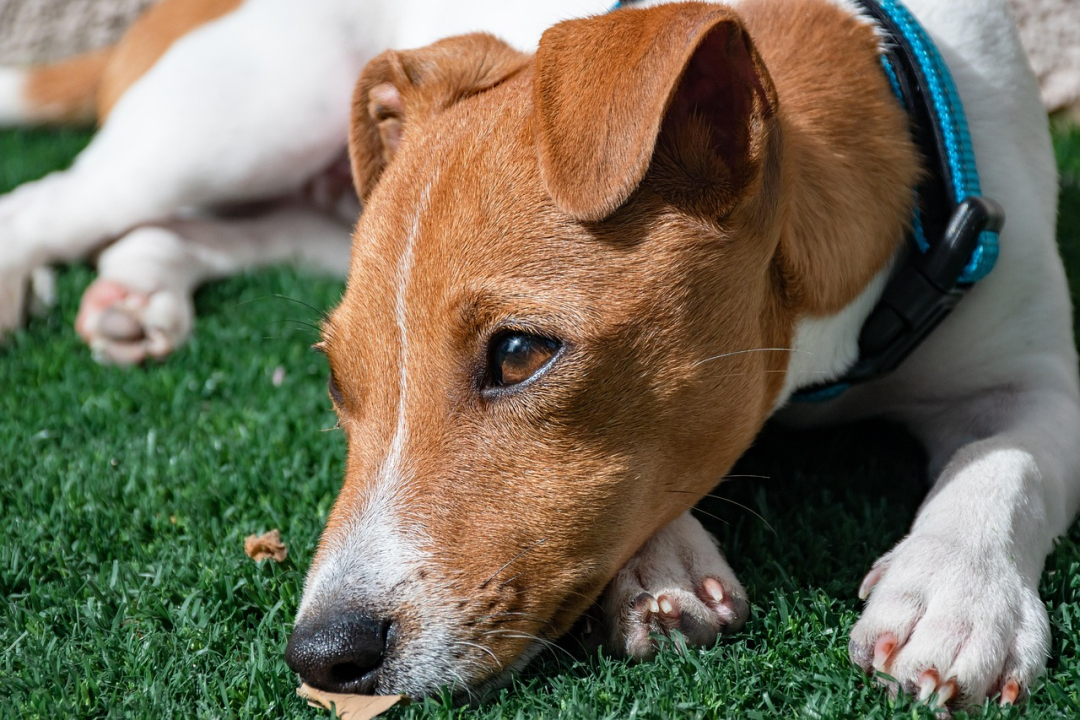
Dogs very easily get fleas; it doesn't take much for them to jump onto your pet. Your dog is much more likely to catch fleas if they like chasing animals, as other animals are a common source of flea infestations. For example, if you have a Jack Russell who chases off after wildlife such as raccoons, squirrels, or rabbits.
They can also thrive in warm, humid areas such as parks, kennels, and dog day care centres. Dogs can easily pick up fleas, especially in grassy or shady spots. Your dog can also easily catch fleas from other pets with fleas, such as other dogs or cats. This is why you need to treat your home if you have a flea infestation on your dog, as the flea eggs and larvae can live in your home and reinfest your dog.
Fleas are mobile and can jump great distances up to 150 times their body length - amazing! So they can very easily jump onto your dog, who has lovely thick hair to hold onto and a warm body, and access to blood meals. They can also lay up to 50 eggs a day, and so can be very invasive, which is why they need prompt treatment and prevention.
Adult fleas are small, wingless insects that have flat bodies and are reddish brown. They look like a sesame seed (1-3mm long), so you can see them, but they hide in fur, so it is harder to see if they are buried deep in the dog's coat. You might see fleas crawling through their coats, black pepper-like spots of flea feces, or on their bedding.
You can also suspect that your dog has fleas if you see frequent scratching, biting, or licking, especially on their tummy or tail area. They may also have spots of hair loss or thinning due to frequent itching or licking. They may also have red bumps or scabs from the itching. You might also find your dog getting restless or showing discomfort, particularly at nighttime.
You can use a fin-toothed comb to check for fleas. You can run it through their fur and then wipe the comb on white paper. If dark specks or black spots turn reddish-brown when wet, it’s most likely flea feces.
If you have decided to welcome a new puppy into your home, you will want to purchase a puppy from a responsible and ethical breeder. They should have carried out veterinarian checks and have health checked the parents of the puppies and the puppies. A good breeder will be happy to walk you through the flea prevention they are using and when it is next due. They can help give you ideas of what works with their dogs.
When you love your dog, you are going to want to keep them happy and healthy and in the best care. Regular preventative treatment of fleas can help keep them at bay. If you’re not sure what prevention or treatment to use, there are several options, from sprays and shampoos to tablets and dog flea collars.
Dog flea collars can work and can offer treatment and prevention. Not all flea collars are as effective as others, and some dogs can be sensitive or allergic to the ingredients in the flea collars. There are other options, and if you’re not sure what to use or what is suitable for your dog, then consult your veterinarian for their specific needs.
18 August, 2025