
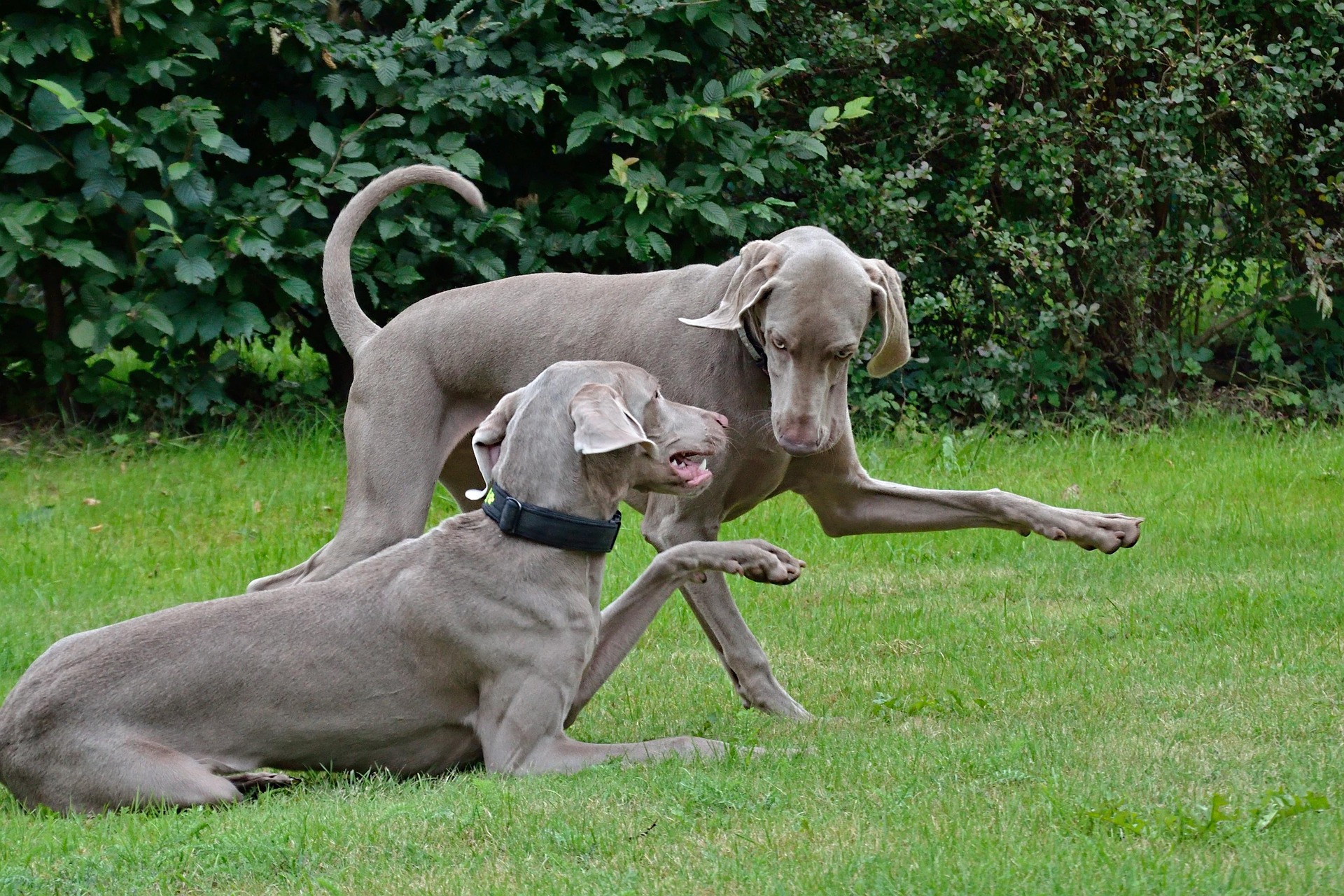
Bringing a new dog into an established breeding group is an exciting step, but it needs to be handled carefully. Your existing dogs already have their own relationships, routines, and boundaries, while the newcomer has to adjust to an unfamiliar environment. Putting everyone together immediately can create unnecessary stress and conflict.
Whether you are adding a young prospect, an adult breeding dog, or a dog from another breeder, a gradual introduction gives everyone the best chance of settling successfully.
In this article, we take a look at how to introduce a new dog to your breeding group.
Before introducing a new dog to your existing group, speak with your veterinarian about appropriate health precautions. This is especially important when a dog has arrived from another kennel, household, state, or country, as they may have been exposed to infectious diseases or parasites.
Your veterinarian can advise you about vaccinations, parasite prevention, examinations, and any testing that may be appropriate. If the dog is intended for breeding, you should also consider the health screening recommended for the breed before making breeding decisions.
It can be sensible to quarantine a new arrival separately from your established dogs until the appropriate health checks have been completed. Your veterinarian can advise you on the appropriate precautions for your particular situation.
Moving into a new home can be stressful for a dog, even if they are normally confident and sociable. They are suddenly dealing with unfamiliar smells, sounds, people, routines, and other dogs. Give your new dog a quiet area where they can rest without being constantly approached.
A crate, exercise pen, or separate room can provide a secure space where they can eat, sleep, and decompress. There is no need to rush the first few days; you should allow the dog to become familiar with their surroundings before expecting them to interact comfortably with the entire group.
When you are ready to begin introductions, avoid putting the new dog in the middle of the entire group. Meeting several unfamiliar dogs at once can be overwhelming and makes it much harder to monitor individuals. Start with one calm, well-socialized resident dog meeting the newcomer.
Using a neutral outdoor area for the first meeting can be helpful, as neither dog is immediately being asked to share a confined space or defend a familiar area. Allow the dogs to move around and investigate each other at their own pace. Keep the interaction relaxed and avoid forcing them to greet one another if either dog appears uncomfortable.
Once the newcomer has had successful individual meetings, you can begin introducing them to additional dogs. Keep these group interactions manageable and watch how the dynamics change as more dogs are involved. If excitement starts to escalate, separate the dogs and allow everyone to calm down before trying again.
Watch the Dog’s Body Language
Learning to recognize canine body language can make introductions much safer. Stiff posture, prolonged staring, repeated attempts to escape, or escalating excitement can indicate that a dog needs more space. Step in as soon as an interaction is becoming uncomfortable.
Calmly increase the distance between them and allow them to settle. Avoid punishing a dog for growling or otherwise communicating discomfort. Instead, change the situation and give the dogs an opportunity to relax.
If you are concerned about the behavior of your dogs, such as risk of fights, serious fear, aggressive resource guarding, or an inability to safely share space, keep the dogs separated and speak with your veterinarian or a qualified canine behavior professional. Conflict can make problems worse and can put both dogs and people at risk so seek professional advice.
A successful first meeting does not need to last for an hour. Short, positive interactions can be more helpful than keeping unfamiliar dogs together until one becomes overwhelmed. You might walk the dogs together, allow a brief interaction, and then separate them.
If the dogs remain relaxed, you can repeat the process later and gradually increase the amount of time they spend together. Take your time, as some dogs settle quickly, while others need considerably longer. Let their behavior determine the pace rather than trying to rush the process.
Food, toys, beds, crates, and favorite resting areas can all become sources of tension when a new dog joins an established group. For this reason, careful resource management is particularly important during the early stages, as it will help prevent avoidable conflicts while the dogs establish their new relationships.
Feed dogs separately and avoid giving unfamiliar dogs high-value treats or prized toys while they are still getting to know each other. Make sure every dog has a place where they can rest without being disturbed.
If the new dog has been purchased as a breeding prospect, remember that settling into the group and deciding whether to breed them are separate decisions. Taking time to get to know the newcomer can give you a much clearer picture of whether they are genuinely the right fit for your program.
Do not rush into breeding simply because the dog has arrived or has an impressive pedigree. Appropriate health testing, temperament, breed-specific health considerations, and the dog's overall suitability for your breeding goals should all be considered.
Introducing a new dog to a breeding group should be a gradual process rather than a single event. Give the newcomer time to settle, introduce dogs individually in a neutral space, watch their body language, manage their resources, and slowly build up to group interactions.
Allowing the dogs to adjust at their own pace can make the transition easier for everyone and help you create a calmer, safer environment for your entire breeding group.
28 October, 2026