
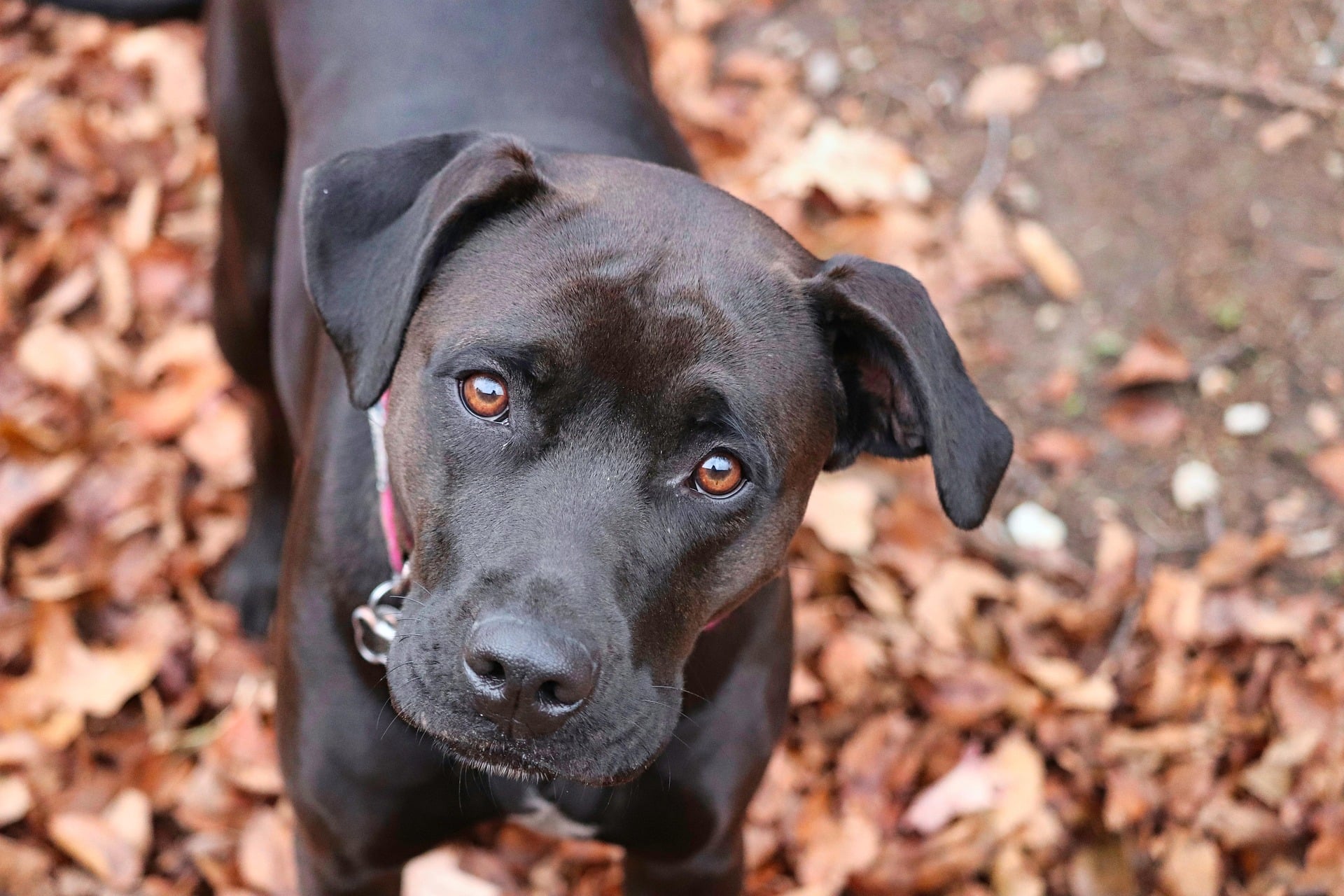
Known for their playful nature, athletic build, and fun personalities, Boxers remain a popular choice for families across the US. And if you are planning to welcome a Boxer to your home, you might be wondering about the cost of a Boxer.
The cost of a Boxer can vary depending on where you live, the breeder, pedigree, health testing, and what is included when your puppy goes home. And the puppy price is only one part of the equation. Food, veterinary care, training, insurance, toys, and exercise can all add up over the years.
In this article, we take a look at the cost of a boxer puppy by US region in 2026.
A Boxer puppy from a responsible breeder will commonly cost around $1,200 to $3,000 in the US, although puppies from highly regarded breeding programs or particular bloodlines may cost more. There can also be significant differences between individual breeders.
The price of a puppy should reflect responsible breeding such as health testing of the parents, veterinary care, quality nutrition, early socialization, vaccinations, registration, puppy supplies, and the breeder's time and experience.
In Northeast states such as New York, New Jersey, Connecticut, Massachusetts, and Pennsylvania, prospective owners may see Boxer puppies priced at around $1,500 to $3,500, with some puppies costing more depending on pedigree and breeding program.
Families living in larger cities should also remember that the cost of keeping a Boxer can be higher. Dog walkers, daycare, training classes, veterinary care, and boarding may all come with higher local prices.
Across much of the South and the Midwest, Boxer puppies may commonly fall within the $1,200 to $2,800 range. Availability can vary considerably from one state to another. If there are only a small number of responsible breeders in your area, you may need to join a waiting list or travel to find the right litter.
In parts of the West, particularly around larger cities in California, Colorado, Washington, and Oregon, Boxer puppies can cost approximately $1,500 to $3,500 or more. Urban living can also increase the cost of ownership as professional dog services tend to be more expensive in larger metropolitan areas. So your annual budget may need to stretch beyond food and routine veterinary care.
The size and activity levels of Boxers mean that owners need to budget appropriately for food, exercise, training, and general care. Food will be one of your regular expenses, particularly while your Boxer is growing, as well as treats and chews.
Routine veterinary care is another important expense. You should budget for annual wellness checks, vaccinations where appropriate, parasite prevention, dental care, and any additional treatment your dog may require. Pet insurance can also be worth considering as part of your monthly budget.
If you have ever spent time with a Boxer, you will know that they often approach life with plenty of enthusiasm. Exercise is essential, and daily walks should ideally be combined with play, training, and mental stimulation. That can mean investing in durable toys, training equipment, enrichment activities, and potentially, professional dog walking if you work long hours.
Boxers can also be wonderfully energetic companions, so puppy training is an expense worth including from the beginning. Puppy classes can help establish good habits while giving your young Boxer an opportunity to experience new people and other dogs in a controlled environment.
The initial shopping list can be surprisingly long. Before your puppy arrives, you may need a crate, bed, puppy gates, food and water bowls, puppy food, ID tag, collar and harness, lead, toys and chew toys, training treats, grooming supplies, cleaning products, microchipping (if not done by the breeder), puppy vaccinations and veterinary checks, puppy training and pet insurance.
You may also have costs associated with spaying or neutering, depending on your breeder's contract and your veterinarian's advice. Your Boxer could need an unexpected veterinary visit, a new crate as they grow, additional training, boarding while you travel, or a dog walker during a particularly busy period. Emergency savings can give you some breathing room when something unexpected happens.
The cost of owning a dog also changes as they grow. A puppy may initially require more veterinary appointments and training, while an adult dog may have different food, exercise, insurance, and healthcare needs. It’s important that you factor in ongoing training and obedience classes.
The cost of a Boxer depends on your lifestyle just as much as the price of the puppy. Someone who works from home, has plenty of outdoor space, and provides most of their dog's exercise themselves may have different ongoing expenses from someone living in a city who needs regular dog walking and daycare.
Your location in the US matters too. Boxer owners in different parts of the country can have very different veterinary, training, boarding, and pet-care bills. So it’s worth checking out the cost of a boxer for your particular location before you decide to purchase a puppy to ensure you can afford everything you might need to keep your dog happy and healthy.
Boxers are a dog breed full of energy and affection, but they also come with financial responsibilities. In 2026, you can generally expect the cost of a Boxer puppy from a responsible breeder to be around $1,200 to $3,000, with regional differences and individual breeding programs potentially pushing prices higher.
Your Boxer will need quality food, ongoing veterinary care, training, exercise, treats, toys, etc. Planning for those costs before your puppy arrives will help you be financially prepared for everything that comes with them, alongside the fun and energy of a Boxer puppy!
10 November, 2026