
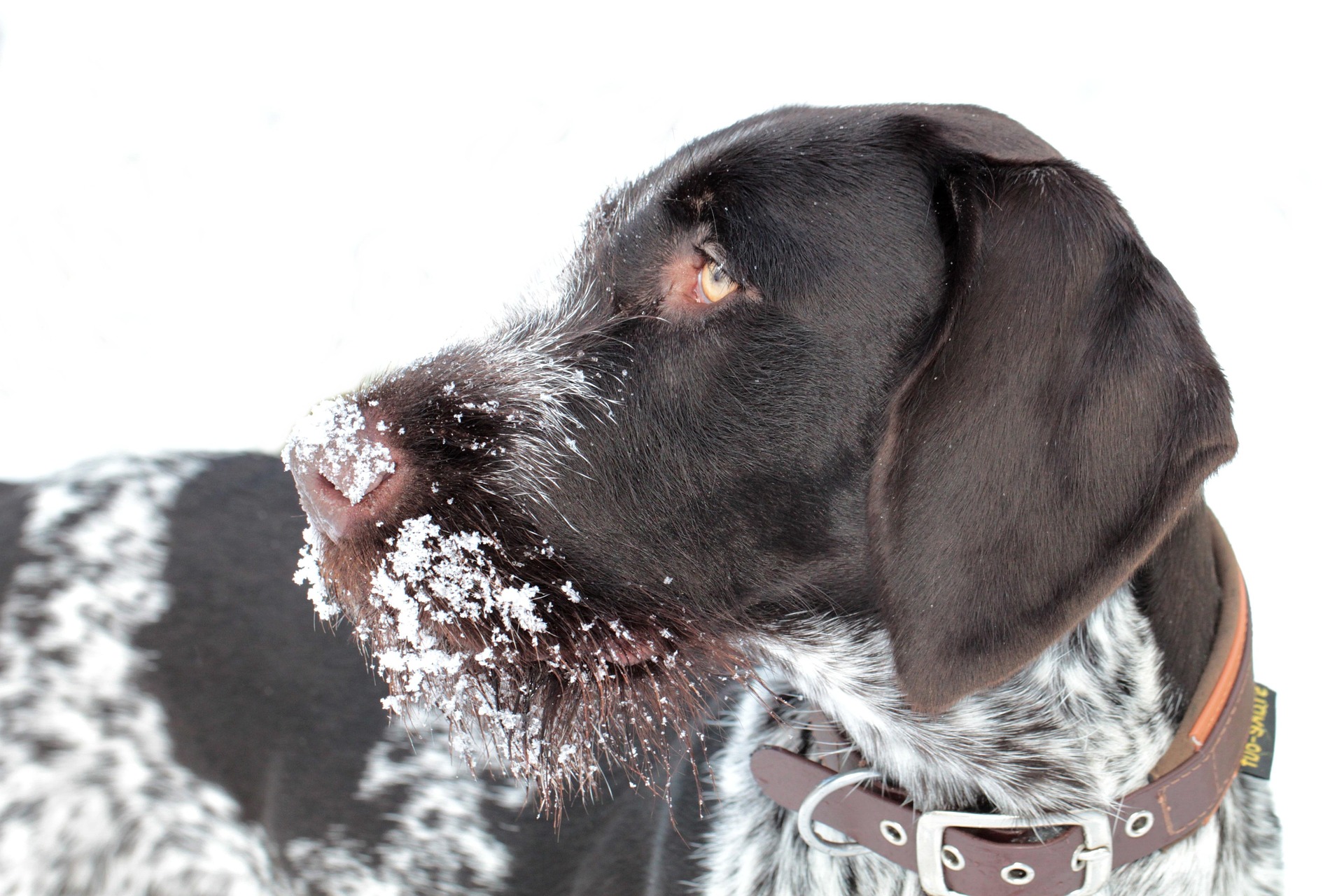
As the temperatures start to drop, it is not just us who need an extra layer. Our dogs can feel the cold too, and some pups are much more sensitive to chilly weather than others. Some breeds have thick coats that naturally help them handle colder temperatures, but puppies, senior dogs, small breeds, short-haired dogs, and dogs with certain health conditions may need a little extra help to stay warm and comfortable.
Thankfully, there are many ways to keep your dog warm during winter, from choosing the right dog coat to protecting their paws, to making sure they have a cosy, warm bed at night.
In this article, we take a look at some simple dog winter care tips to help your four-legged friend stay warm, happy, and safe during the colder months.
Dogs can get cold, although how well they tolerate low temperatures varies considerably from one dog to another. How well your dog manages in cold weather can be affected by several factors such as breed, coat type, size, age, and health.
A Siberian Husky, for example, is likely to tolerate cold weather much better than a Chihuahua or Greyhound. Puppies and older dogs can also have a harder time regulating their body temperature.
There’s no single temperature that is considered too cold for every dog. Instead, pay attention to your individual dog and watch for signs that they are uncomfortable. Shivering, whining, reluctance to walk, lifting their paws, curling up tightly, or trying to head home can all be signs that your pup has had enough of the cold and wants to head back home!
One of the easiest ways to keep your dog warm is to make sure they have a cozy place to sleep in colder weather. Keep their bed away from cold drafts, doors, and particularly chilly floors. Adding a soft blanket can provide an extra layer of insulation, while an appropriately sized, well-padded dog bed can help keep your pup off cold surfaces.
If your dog normally sleeps in a room that becomes particularly cold overnight, consider moving their bed somewhere warmer. Remember, your dog should always have access to a comfortable indoor area where the temperature can be controlled.
Small breeds, short-haired dogs, and hairless breeds may benefit from wearing a properly fitted coat or sweater outside. A winter coat should fit comfortably without restricting your dog's movement and it should also provide warmth without making them overheat.
Don't put a coat on your dog and assume they can stay outside indefinitely. Clothing is an extra layer of protection, not a replacement for sensible cold-weather care. If your dog dislikes wearing clothes, introduce their coat gradually at home using plenty of praise and positive reinforcement.
A waterproof dog coat can also help keep your dog's fur dry during wet-weather walks. Keeping your dog dry is especially important when temperatures are low because a wet coat can make it harder for them to stay warm and comfortable.
Cold and wet weather can be particularly uncomfortable for dogs, so if your pup gets soaked by rain or snow, bring them inside and dry them thoroughly with a towel. Pay particular attention to their belly, legs, paws, and other areas where water can remain trapped.
Cold weather does not mean your dog has to miss out on their daily exercise. However, you may need to adjust your usual routine. On particularly cold or windy days, consider taking shorter walks rather than spending a long time outdoors. You can then make up for some of the lost exercise with indoor games, training sessions, puzzle toys, or playtime at home.
Wind chill can make cold weather feel considerably colder, so don't focus solely on the number displayed on your thermometer. Pay attention to how your dog is behaving and bring them inside if they appear uncomfortable. You might want to try dog boots as they can provide useful protection for your dog’s paws during colder weather.
Your dog's coat plays an important role in helping regulate their temperature, so regular grooming matters during winter. Avoid unnecessary shaving or cutting of a dog's coat during the colder months, particularly if they rely on that coat for insulation.
At the same time, dogs with longer hair around their feet may benefit from having excess hair trimmed carefully to reduce the amount of snow and ice that becomes trapped between their toes. A clean, healthy coat can provide better insulation than one that is matted or poorly maintained.
Despite your best efforts to keep your dog warm in colder weather, it's important to know the signs of cold stress. Keep an eye out for your dog shivering or trembling, whining or appearing anxious, reluctance to walk or move, lifting their paws repeatedly, a hunched or curled-up posture, weakness or unusual tiredness, or pale, white, blue, or unusually cold-looking skin.
Frostbite can affect areas such as the paws, ears, and tail, while prolonged exposure to very cold temperatures can contribute to hypothermia. If you think your dog has been exposed to dangerously cold conditions or is showing concerning symptoms, move them somewhere warm and contact your veterinarian promptly.
Keeping your dog warm during the colder months can be relatively simple. Provide them with a comfortable, warm bed and a suitable coat when needed, protect their paws, and take shorter walks during extreme weather. Also, make sure you pay plenty of attention to your dog's behavior.
Most importantly, remember that every dog is different. A thick-coated adult dog may happily enjoy a chilly winter walk, while a small puppy or senior dog may be ready to head home much sooner. And with a little preparation, you and your four-legged friend can enjoy a safe, cozy, and happy winter together!
14 October, 2026