
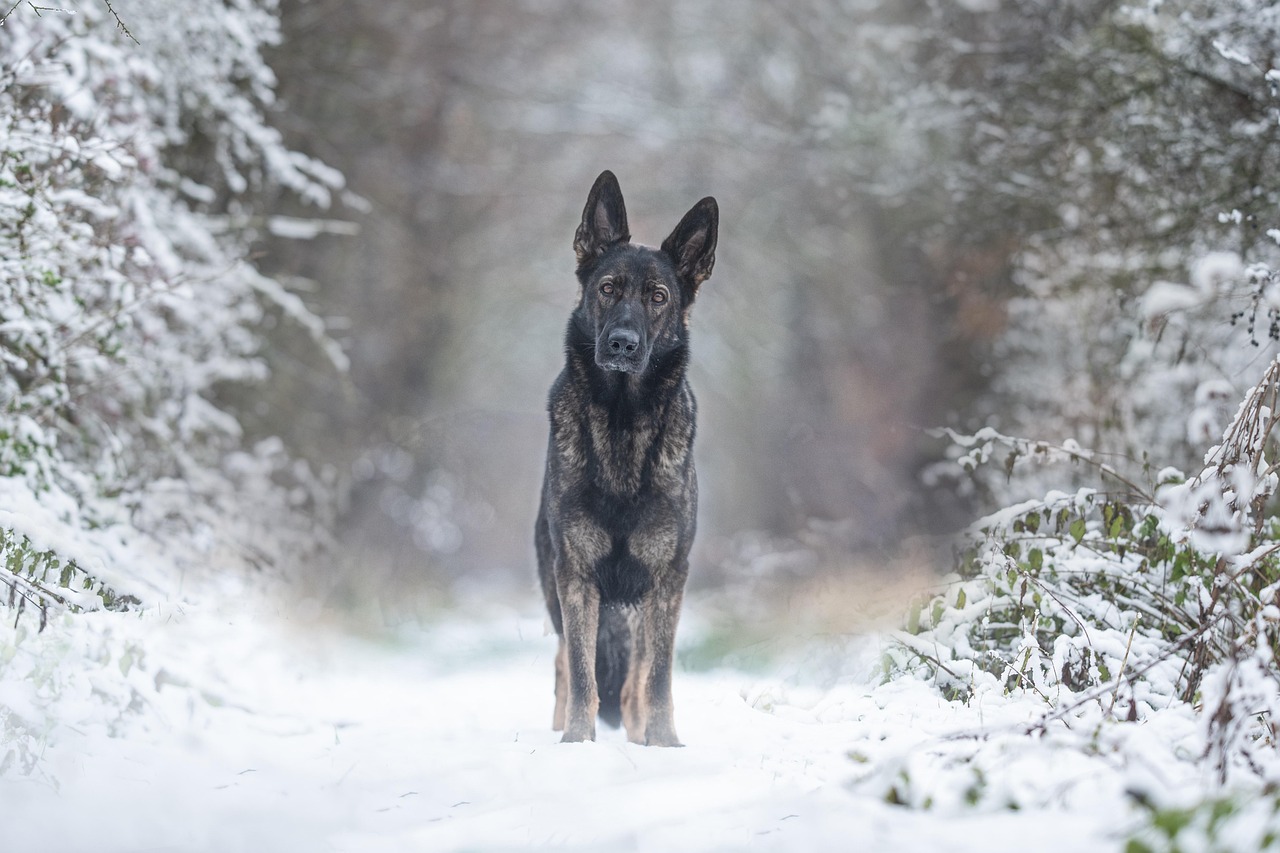
As it starts to get closer and temperatures drop, you might be starting to think about winter safety for dogs. There is more to consider when snow falls than just keeping dogs warm. There is much more to it than that, such as protecting their paws from snow and ice, managing how long they are outside, and ensuring they stay fit and healthy and able to enjoy their time outside while staying safe.
In this article, we take a look at winter safety tips for dogs and take a look at a few strategies and products that you might want to consider for your beloved puppy or dog.
Dogs are resilient and brave, but you still need to consider winter safety to keep them warm in adverse weather. This is still the case if your dog's breed originates from cold regions or has a very thick coat. All dogs are at risk from cold exposure, especially if left outside too long. And, when it’s very cold, they can suffer from cracked paws, frostbite, or even hypothermia.
Puppies, older dogs, and small dogs, like chihuahuas, are even more at risk. If you keep your puppies warm during winter weather, you can prevent serious health issues and make sure your dog stays well throughout the winter and can still enjoy being outside.
As a dog owner, you need to consider winter safety tips for dogs. One of the first things you can do to keep dogs warm is invest in a high-quality dog coat or sweater. This is especially helpful if your dog is not bred to live in a cold climate. Breeds like Chihuahuas and greyhounds with very short fur may quickly get cold, and a well-fitted dog jacket can really help them. A waterproof coat will also help keep your dog dry in rain and snow.
Likewise, you might also want to invest in some dog booties or paw protectors, such as paw wax, as your dog’s paws can become cracked, especially on cold pavement, ice, and snow. De-icing chemicals can also harm your dog's paws, as can salt put down on the ground. It is a good idea to get your dog used to wearing the dog booties inside before heading outside.
If your dog has an outdoor shelter, you must make sure it is warm and well-insulated. Use good, warm bedding and make sure the dog's housing is shielded from wind, rain, and snow. The shelter should certainly be above the ground. If your dog sleeps inside, ensure their bed is warm and draught-free.
When considering winter safety for dogs, limit outdoor time in extreme cold conditions. Quick, short walks in freezing temperatures are best. When your dog exhibits signs of discomfort, such as shivering, lifting paws above the ground, or whining, go inside. You can keep walks short if your dog struggles in the cold weather.
When planning winter safety for dogs, consider the risks for your pouch at this time of year. You should avoid frozen water, as ice can be hazardous. They can slip or fall on ice or even go through which can lead to injury and hypothermia, especially if your dog falls into the cold, icy weather. Stick to solid and safe surfaces.
You should also be careful with antifreeze and other harmful substances around during winter. Antifreeze is highly toxic to dogs, even in tiny amounts, so be careful not to spill any chemicals on the ground. If you do spill any toxins, ensure you clean them up quickly and safely. Salt and other ice-melting products can irritate paws, so ensure you wash your dog's paws, or for better safety, use dog booties or paw protectors.
You can also use reflective gear when thinking about winter safety for dogs. You can get reflective leashes, vests, or collars, which can help your dog have greater visibility in the dark weather, for winter walks in the early morning or late evenings.
When it is cold, your dog’s energy levels increase, and this can very much be the case for active breeds. If you're unsure about whether your dog’s calories should be increased, you can contact your veterinarian to get their advice. Continue to provide fresh water throughout the day for your puppy or dog. Heated bowls can be used to prevent an outside dog's food bowl from freezing over.
Keep going with your dog's normal grooming regime, keep hair neat and trimmed, and well-brushed. Matted hair traps moisture, which can cause skin irritation or hypothermia. Trim the hair between your dog's paw pads to prevent ice from building up. Also consider using a dog-friendly moisturizing paw balm.
Watch out for signs of illness such as frostbite, which would look like pale or gray skin, swelling, or blisters. Also, look out for signs of hypothermia, such as shivering, lethargy, and shallow breathing. If you suspect that your dog is suffering from either frostbite or hypothermia, then warm your dog gradually and immediately contact a veterinarian.
As a responsible dog owner, it's essential that you consider winter safety for dogs. Get to know your dog's breed and consider any special requirements for them. Consider where they originate from, your dog's coat thickness, and perhaps your dog is small, young, or elderly.
But with preparation such as purchasing a well-fitting, waterproof dog coat, booties or paw protectors, reflective gear, etc. Combine this with sensible, short times outside, and be careful of chemicals used during winter, such as antifreeze. Also, make sure that your dog is warm and safe if they sleep outside in a kennel.
These winter safety tips for dogs will help you and your puppy or dog to enjoy the winter weather together while staying healthy.
08 December, 2025