
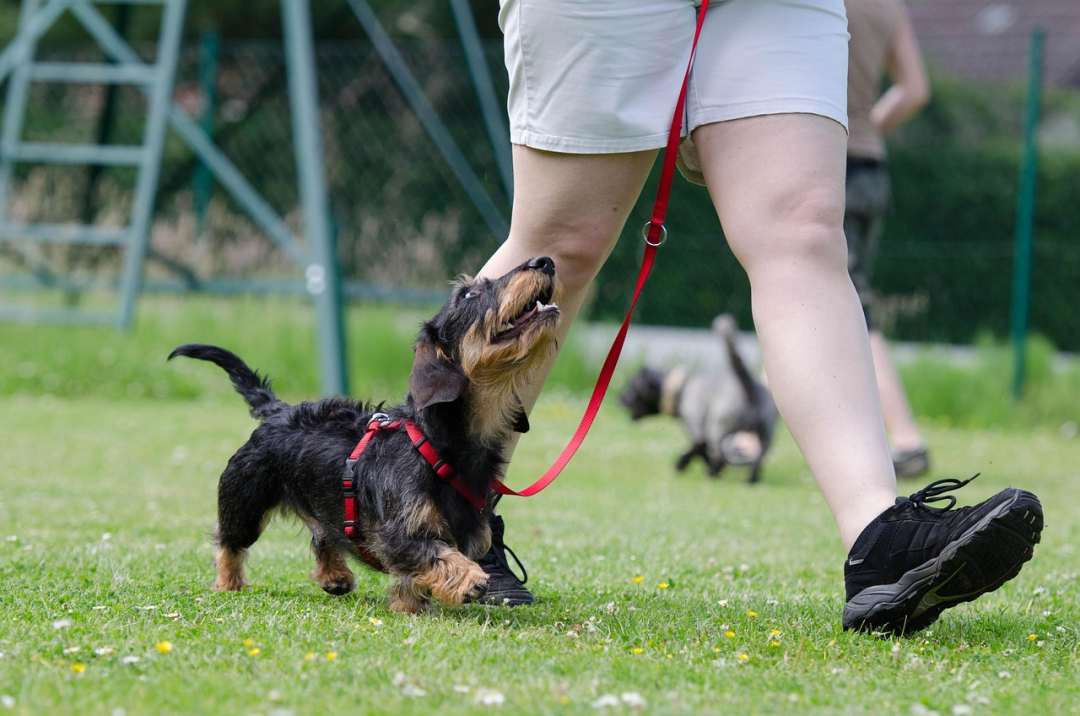
A new puppy joining your home is a great joy, but it can be overwhelming. They do need a lot of consistent training to help them learn what they can and can not do in the home. And while they are learning, you might have to deal with chewed shoes or toilet accidents on the carpet. Most puppy challenges can be solved with positive reinforcement training and patience.
If you are starting puppy training, you will want tips on various aspects of puppy training. Including potty training a puppy, this article will help you with how to begin training a puppy and when to start.
You can start training a puppy from 8 weeks old. Young puppies have short attention spans, but are quite capable of learning simple training. One of the first things you might want to learn how to do is potty train a puppy. This training helps avoid puddles in the home. Other puppy training you can start early is basic commands like sit, stay, heel and come.
The earlier you start with fun sessions of positive reinforcement training, the easier it will be to prevent unwanted behaviors from developing into bad habits. Positive reinforcement training, such as praise or treats, avoids any harsh discipline or corrections at all and instead provides a reward for when your puppy behaves the way you expect. Remember to be patient with your puppy; they are learning how the world works and how to fit into their new home.
If you are wondering when to start training a puppy, you can actually begin straight away. It is important to keep it simple and consistent. And use clear, one-word commands that can be supported with hand signals and then give positive reinforcement rewards for good behavior. For example, say sit while gently guiding your puppy into the sitting position, then immediately reward them with a treat.
You will need to keep training sessions short to begin with, just five to ten minutes at a time. Puppies are easily tired and become overwhelmed when training too much. Try to do several short training sessions a day rather than one long session. This tactic is helpful when potty training a puppy.
Once your puppy has had their vaccinations, you can work on socialization as part of their puppy training. You should ensure your puppy is accustomed to various people, of different ages and new environments, sights, and sounds. You should begin with short sessions and build the time you spend socializing as your puppy grows and gains confidence. This strategy will ensure your puppy does not develop any reactive behaviours or fear-based behaviors.
Potty training a puppy can be a real challenge, especially for new puppy parents. Accidents are likely to happen, but with consistency and patience, your puppy can learn to go to the toilet in the right place. You might find that the breeder you get your puppy from might have already trained your puppy quite well. For example, they might already have potty-trained their puppies. Be consistent and patient with your puppy's toilet training.
When potty training a puppy, take your puppy outside first thing in the morning, after meals, after naps, and every 2–3 hours in between to encourage them to go to the toilet in the expected place. Try to get them to use the same spot as their potty area and lead them to this spot so they associate it with going to the bathroom. As soon as your puppy finishes going, praise them with enthusiasm and give them a treat.
Keep an eye on your puppy indoors for accidents. And only use positive reinforcement training. Do not punish your puppy if they have an accident in the house. Clean up accidents with an enzymatic cleaner to remove odor and prevent repeat offenses. When you can't supervise your puppy, leave them in a crate, a safe space, or keep them in a puppy-proof room with a baby gate.
Here are some other common training problems that you might come across when you bring your new puppy home.
Puppies explore the world with their mouths, which, while they are young, can mean nipping, biting, or chewing. And this can be on fingers or furniture! It can also be a reaction to teething. It is normal puppy behavior, but it is still important to teach bite inhibition.
If your puppy starts chewing something they shouldn't, redirect them to a chew toy and praise them when they chew it instead. Puppies need to chew, especially when teething. Offer durable rubber toys or frozen teething rings. Puppy-proof your home by keeping shoes, cables, and valuables out of reach until your puppy learns what is off-limits. Avoid harsh scolding or physical punishment. Your puppy needs to understand right from wrong.
Going for walks is a highlight of owning a dog, but you will need to work on leash training. You can start indoors in a quiet space free from distractions. Let your puppy get used to the leash and harness. When your puppy pulls, stop walking and don’t move forward until the leash is loose. Reward calm walking with positive reinforcement rewards. Use a simple command, such as heel and make sure the whole family uses the same command. And then, like with all puppy training, consistency and patience are key.
Puppy training is not always easy, but it is rewarding. By using positive reinforcement with treats and praise, you can overcome common puppy training challenges like potty training a puppy, chewing furniture, and nipping. While your puppy is young, keep training sessions short but fairly frequent, especially when potty training your puppy. If you need additional support, you can check out YouTube puppy training videos, join a puppy training class, which can also support socialization, or contact a certified dog obedience trainer. Enjoy the early days helping your cute new puppy to settle into your home!
23 October, 2025