
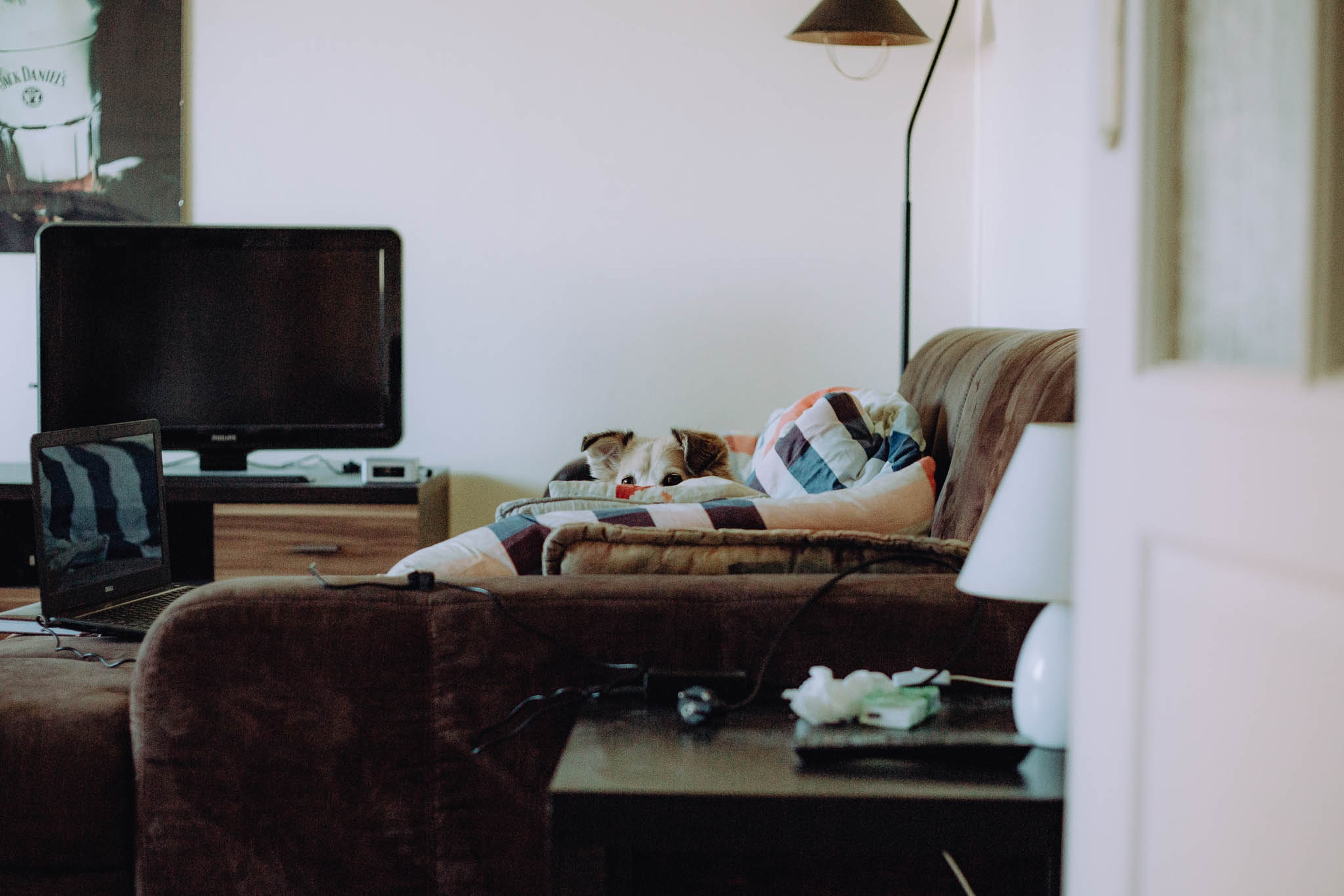
Leaving your dog at home while you head off to work isn't always easy. You might find yourself wondering what your puppy is up to, whether they've settled down, or if they've decided to chew something they shouldn't! Fortunately, there are plenty of indoor devices that can help you keep an eye on your dog, even when you're miles away.
From simple pet cameras to interactive gadgets that dispense treats, technology offers several ways to check in on your puppy throughout the day. But which devices are worth considering, and how can they help?
In this article, we take a look at some of the options available and what you should think about before choosing one.
With so many options available, choosing the right device comes down to your dog's needs, your home, and your budget. Some features worth considering are video quality, ensuring you choose a camera that provides a clear view of your dog and their surroundings. And motion and sound notifications can help you check unusual activity without watching a live feed all day.
You might want to consider two-way audio, which lets you speak through the device, although some dogs may not find it reassuring. Or treat dispensing, which can be an optional extra if you want to offer occasional rewards remotely.
Then you should consider privacy and security by looking for secure account access and regular software updates, and check whether recordings are stored locally or require an ongoing fee. You should also consider where you'll place the device. Make sure cords are out of reach, the camera is stable, and your dog cannot chew or swallow any small parts.
An indoor pet camera is one of the most straightforward ways to monitor your dog while you're at work. These cameras connect to your home's Wi-Fi and allow you to view a live video feed using an app on your smartphone.
Depending on the model, you might be able to see your dog snoozing on the couch, playing with their toys, or watching the world go by from a favorite window. Some cameras also offer motion detection, night vision, and two-way audio, allowing you to hear what's happening and speak to your pet remotely.
A camera can help you understand what your dog gets up to when you're not around. For example, if you're concerned about excessive barking or restlessness, you may be able to observe when these behaviors happen and discuss them with a qualified trainer or veterinarian if necessary.
Many indoor security cameras offer live video, movement alerts, two-way audio, and recording features. Some can rotate to follow movement, while others let you monitor different areas of your home. This can be useful if your dog has access to several rooms or you want to check a particular area while you're away.
Before buying, think about how much space you need to monitor. A wide-angle camera may be enough for a small living room, while a larger home could require more than one device. It's also worth checking the camera's privacy settings, password protection, and video storage arrangements. Since the device will be recording inside your home, security should be an important part of your decision.
Monitoring your dog isn't only about watching their activities. If your pet follows a regular feeding schedule, a smart feeder may also be helpful. These devices dispense measured portions of food at scheduled times, and some connect to an app so you can adjust the schedule remotely. Depending on the model, you may also receive notifications about feeding activity.
A smart feeder can be useful for dogs who benefit from consistent meal times or portion control. However, not every dog is suited to being fed this way. Some pets need supervision while eating, and others may try to knock over the feeder or access extra food.
You'll also need to make sure the device works reliably and that your dog always has access to fresh water. Most importantly, an automatic feeder doesn't take care of your dog's other needs. Bathroom breaks, exercise, mental enrichment and human interaction remain important parts of a healthy daily routine.
Pet activity trackers offer another way to learn about your dog's day. Usually attached to a collar or harness, these devices collect information about movement and activity levels. Depending on the tracker, you may also find features related to sleep patterns or location tracking. This can give you a better understanding of your dog's usual routine, especially if you want to see how active they are throughout the day.
An activity tracker won't show you live video, but it may help you spot changes in behavior over time. If your dog suddenly becomes less active than usual, for example, you could discuss the change with your veterinarian.
Keep in mind that activity readings can vary between devices and shouldn't be treated as a medical diagnosis. If you notice a persistent change in your dog's behavior or well-being, professional advice is always the best next step.
There are plenty of indoor devices that can help you keep an eye on your dog while you're at work. Whether you choose a basic pet camera, an interactive treat dispenser, or an activity tracker, the right device can help you understand your dog's routine and check that they're doing well.
Before buying, think about which features you'll actually use and how your dog responds to being monitored or hearing your voice remotely. Most importantly, remember that technology works best alongside a good daily routine, suitable enrichment, exercise, and plenty of attention.
With the right combination of tools and care, you can have a little more peace of mind while your furry friend waits for you to come home!
23 November, 2026