
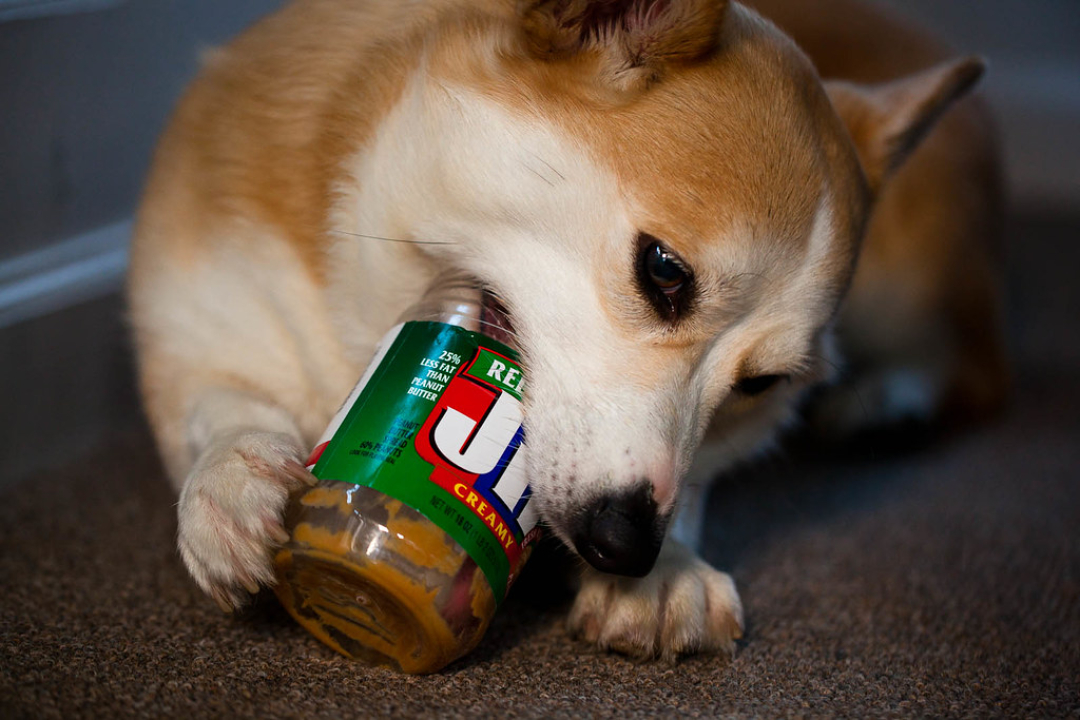
If you’ve ever opened a jar of peanut butter and suddenly found your dog sitting at your feet, tail wagging, you are not alone. Peanut butter is one of the most popular treats among dogs, and many pet parents use it for everything from training rewards to hiding medication! But why do dogs love peanut butter so much? Is it actually good for them? And how can you safely share this tasty treat with your pup?
In this article, we take a closer look at why dogs go crazy for peanut butter and what every responsible dog owner should know before adding it to their dog’s treat routine.
There are several reasons peanut butter is so appealing to dogs. The combination of smell, taste, and texture makes it an irresistible snack for many dogs.
Dogs experience flavours differently from humans, but they are naturally attracted to foods that contain fats and proteins. Peanut butter contains both, which makes it highly rewarding. Many commercial peanut butters also contain salt and sugar, which can make them even more appealing to dogs. However, those added ingredients are also why you should choose peanut butter carefully.
A dog’s sense of smell is incredibly powerful. While humans may notice the creamy, roasted peanut aroma, dogs experience smells in much greater detail. The rich scent of roasted peanuts can be especially exciting for dogs because it resembles other appealing food aromas, including those associated with meat and protein-rich foods. The strong scent is one reason peanut butter works so well as a training reward or enrichment activity.
Dogs need protein and healthy fats as part of a balanced diet. Peanut butter naturally contains protein, fats, and small amounts of vitamins and minerals, including vitamin E, magnesium, and niacin. While it contains some beneficial nutrients, it is also calorie-dense and should be treated as an occasional snack rather than a dietary staple.
Many dogs enjoy peanut butter because of its sticky, creamy texture. It can turn a simple treat into an activity, especially when spread inside a puzzle toy, lick mat, or stuffed Kong-style toy. This type of enrichment can help keep dogs mentally stimulated and provide a positive distraction during situations such as grooming, crate training, or nail trimming.
Yes, many dogs can safely eat peanut butter in small amounts. However, not all peanut butter products are suitable for dogs. The most important safety rule is to always check the ingredient label.
Avoid Peanut Butter Containing Xylitol. Xylitol is a sugar substitute that is extremely toxic to dogs. It can cause a rapid drop in blood sugar, seizures, collapse, liver damage, and potentially death. Xylitol may also appear on ingredient lists under names such as birch sugar, wood sugar, and birch bark extract.
Even a small amount can be dangerous, so never give your dog peanut butter unless you have checked that it does not contain xylitol. If your dog accidentally eats peanut butter containing xylitol, contact your veterinarian or an emergency animal poison service immediately.
The best peanut butter for dogs is usually the simplest option. Look for 100% peanuts as the only ingredient, no xylitol, no artificial sweeteners, low or no added salt, and no unnecessary additives. You do not need to buy a product marketed specifically as “dog peanut butter” as long as the ingredients are safe.
Peanut butter is healthy in small amounts but is high in calories and fat. Too much can contribute to weight gain, digestive upset, or increase the risk of problems such as pancreatitis, especially in dogs that are prone to digestive issues.
A suitable amount depends on your dog’s size, weight, activity level, overall health, and daily calorie needs. As a general guideline, peanut butter should be treated as an occasional treat rather than an everyday food. Many dogs only need a small lick or a teaspoon-sized serving.
While some dogs may tolerate small daily amounts, giving peanut butter every day is usually unnecessary. Dogs get the nutrition they need from a complete and balanced diet. Consistently adding calorie-dense treats can make it easier for dogs to gain weight.
If you use peanut butter daily for training or medication, consider adjusting the amount and discussing your dog’s diet with your veterinarian.
Puppies can usually have tiny amounts of safe peanut butter, but it should not be a major part of their diet. Young puppies have developing digestive systems, and introducing any new food should be done gradually. Too much fat can cause stomach upset, including diarrhoea or vomiting. If your puppy has a medical condition or sensitive stomach, ask your veterinarian before introducing new treats.
When giving a puppy peanut butter for the first time, check the ingredients carefully, offer only a very small amount, watch for signs of an allergic reaction or digestive problems, and avoid using it as a replacement for proper puppy nutrition.
If your dog steals a large amount of peanut butter, they may experience an upset stomach, vomiting, diarrhoea, excess calorie intake, and increased risk of pancreatitis. Speak to your veterinarian if you are concerned.
The risk is higher for dogs that already have weight problems or a history of digestive issues. If the peanut butter contains xylitol, treat it as an emergency and contact your veterinarian immediately.
So, why do dogs like peanut butter? Because it smells amazing, tastes delicious, and offers a fun eating experience that dogs enjoy. When chosen carefully, peanut butter can be a safe and enjoyable treat for many dogs. The key is moderation, ingredient awareness, and using it as a treat.
Whether you are filling an enrichment toy, rewarding good behaviour, or giving your pup a special snack, a little dog-safe peanut butter can be a wonderful way to strengthen the bond between you and your beloved pooch!
11 January, 2023