
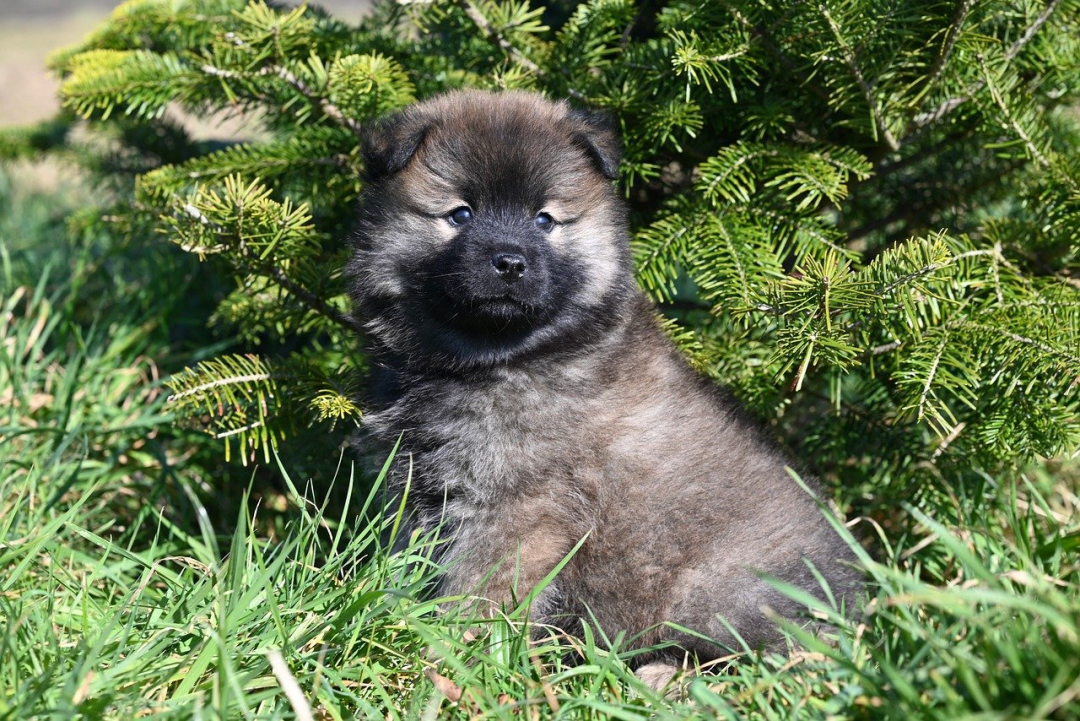
Many people who love gardening also have a beloved pet pooch. You may enjoy different shrubs and flowers to build up a beautiful backyard. Or you might enjoy collecting household plants. Have you considered that there are many toxic plants to dogs, and they can have a wide range of adverse reactions for dogs? These reactions can range from mild digestive upset to life-threatening complications.
In this article, we explore 10+ plants found in the garden or home that are toxic, and every dog owner should be aware of them.
The sago palm is a popular plant, especially in warmer climates like the Southeast and Southwest USA. But, it is a highly toxic plant to dogs and all parts are poisonous, including the seeds, which are the most dangerous. It is not recommended to have this plant if you have a dog, as ingestion of the sago plant can cause symptoms such as vomiting, diarrhea, liver failure, and even death within a few hours. If your dog eats a toxic plant like this, call your vet immediately, as their life depends on it.
Tulips are loved around the world. They’re a beautiful flower with a bright burst of color for your garden. However, the bulbs are very hazardous to dogs and can cause intense gastrointestinal distress in dogs, e.g., drooling, vomiting, diarrhea, and potentially heart or breathing problems. If you do plant bulbs, you should make sure that they are in a place where your dog can’t dig them up, and keep indoor tulips in vases away from dogs as well.
One of the most common toxic plants that is easy to care for and found in many homes, but contains insoluble calcium oxalates that cause immediate pain and irritation in a dog’s mouth if chewed. If you notice symptoms such as drooling, pawing at the mouth, vomiting, and difficulty swallowing, then seek veterinary advice. It can cause severe discomfort but is not usually fatal. A spider plant or parlor palm is a better option for a home with a dog.
Another plant on the list of toxic plants to dogs is the autumn crocus, which is a popular fall flower, but it is highly toxic to your dogs and can lead to respiratory failure. The initial symptoms of ingestion of autumn crocus are vomiting, bloody diarrhoea, kidney and liver damage, and you should seek prompt veterinary attention. It’s best not to plant this flower in your garden to protect your beloved pooch.
This is a beautiful flower found particularly in warmer US states such as California, Arizona, and Texas. But for dogs, this plant is highly poisonous. The whole plant is poisonous, and only a small part can cause vomiting, irregular heartbeat, tremors, or death. You should not have this plant in your garden at all. If your dog eats any part of this plant, seek emergency veterinary help immediately.
You might think this common household plant is safe for dogs because it is used by humans in skincare. But while the gel is generally ok for your dog, the outer plant and the latex layer are toxic. Symptoms your dog might have after ingesting this toxic plant are vomiting, diarrhea, tremors, and lethargy. Keep aloe plants out of the reach of your dog or choose a dog-friendly household succulent instead.
Another commonly found plant on the list of toxic plants for dogs is common ivy. You will often find this plant going up the sides of buildings or on fences. Ivy contains triterpenoid saponins. All parts of the plant are toxic if ingested and can cause drooling, vomiting, abdominal pain, and diarrhea in dogs. It’s best to keep this plant away from dogs, especially if your dog tends to go round the garden nibbling plants, and especially in the fall when there are berries.
A favorite in many gardens for its vibrant blooms, azalea is a member of the rhododendron family—and it’s highly toxic to dogs. Ingesting even a few leaves can cause vomiting, diarrhea, weakness, and severe heart complications. In some cases, dogs may fall into a coma or die if not treated promptly. If you live in an area where azaleas grow abundantly, such as the Southeast, be particularly vigilant when walking or letting your dog roam outdoors.
Another toxic plant for dogs that bursts up in spring from a bulb. If a dog ingests the bulb, it can lead to severe vomiting, low blood pressure, tremors, and cardiac issues. If you have daffodils in a vase in your home, you should also keep them away from your dog, and you should not let your dog drink water from the daffodil vase. Either plant daffodil bulbs in an area of your garden that your dog can’t access, or do not plant them in your garden to keep your dog safe.
The Lily of the Valley plant is very toxic to dogs; it contains cardiac glycosides, which can disrupt heart function and cause symptoms such as vomiting, seizures, slowed heart rate, and can lead to death. You must keep this plant away from your beloved pooch.
If you have plants in your backyard or houseplants, then you might not have considered whether your plants are safe for your dog or not. You will want to keep your puppy or adult dog safe, so it’s important that you make sure that the plants you keep are safe for dogs. Dogs can randomly just chew at plants, and they are very poor judges of whether or not a plant is safe for them or not. If your dog does have toxic plants, you should seek veterinary advice promptly. Some plants can cause severe health complications and even death.
You can still enjoy plants in your garden and your home as a dog owner, but you just need to be a bit more selective about your choices.
01 September, 2025