
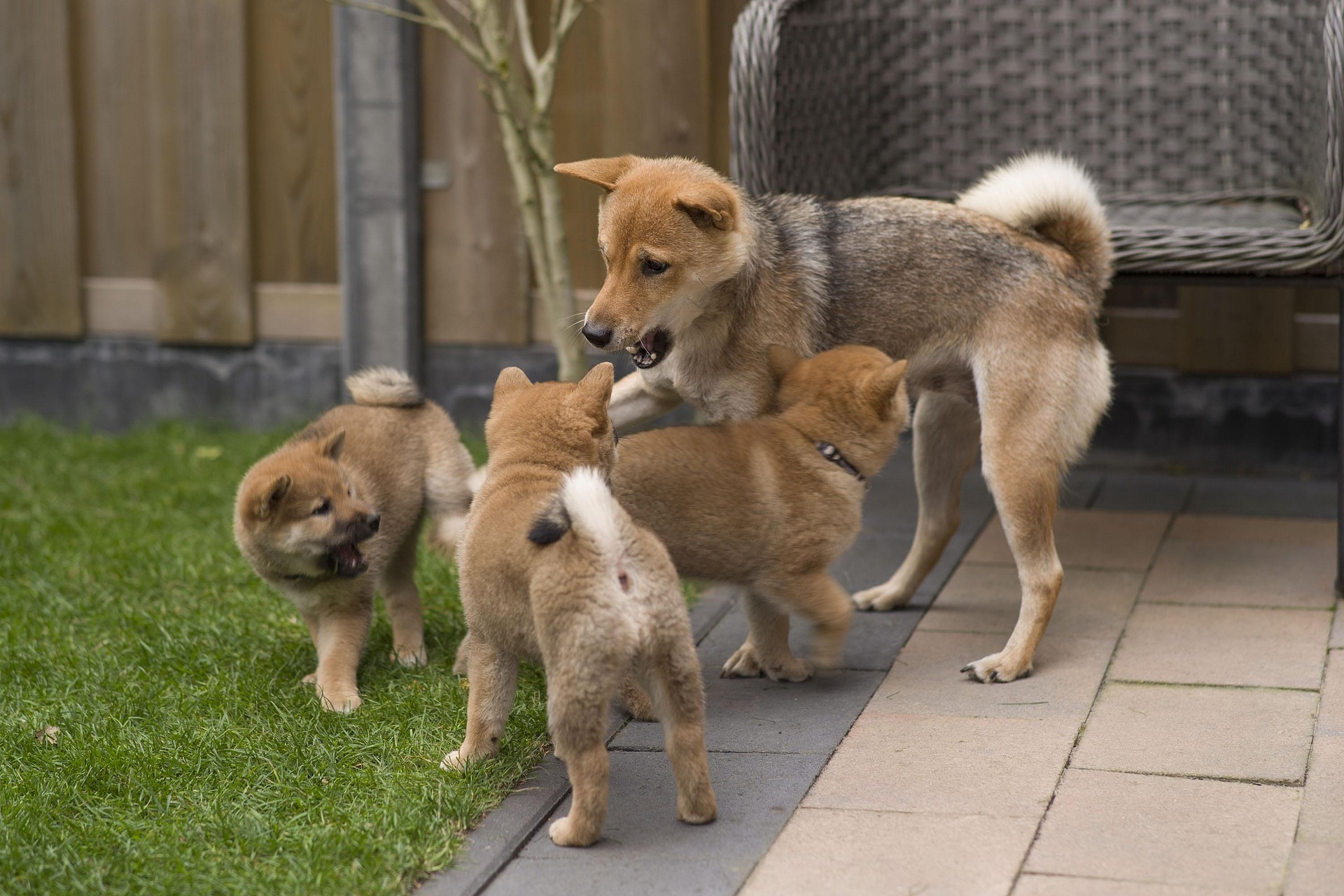
As a responsible and ethical breeder, you will focus on raising healthy puppies in ways that go well beyond just providing food, shelter, and veterinary care. And you’ll be aware of how important early experiences are in shaping a puppy's future temperament, confidence, and ability to adapt to the world around them.
One approach that has gained popularity among breeders is the 7 7 7 rule for puppies. You might not have heard of this, but the 7 7 7 rule is a simple yet effective socialization framework designed to expose puppies to a wide variety of sights, sounds, surfaces, people, and environments during their critical developmental stages.
In this article, we take a look at how this rule can support breeders in helping puppies to grow into confident, well-adjusted dogs that are better prepared for life in their future homes.
The 7 7 7 rule of puppies is quite simply based on the idea of introducing puppies to:
7 different surfaces
7 different objects
7 different locations
Some breeders and trainers also expand the concept to include exposure to different people, sounds, handling experiences, and challenges. The goal is to provide puppies with positive, controlled experiences that build confidence and reduce the likelihood of fear-based behaviors later in life.
Puppies experience a critical socialization period between approximately 3 and 14 weeks of age. During this time, their brains are especially receptive to learning about the world, and the experiences they have at this stage can shape their whole future. That’s why it’s so important that they experience positive exposure during this window, as it can have a lasting impact on their emotional development.
Many behavioral issues seen in adult dogs can be linked to insufficient socialization during puppyhood. Fear of strangers, anxiety in new environments, sound sensitivities, and poor adaptability often develop when puppies have limited experiences early in life. While genetics plays a role in temperament, environment and early experiences are equally important.
The 7 7 7 rule helps breeders build confidence in young puppies, encourage their natural curiosity and problem-solving, support emotional development in a positive way, reduce fear of unfamiliar situations, improve adaptability in new homes, and create a stronger foundation for future training. A well-socialized puppy often transitions more smoothly into family life.
One part of the 7 7 7 rule involves introducing puppies to seven different walking surfaces. This helps them develop coordination and confidence while exposing them to unfamiliar textures. This might be, for example, grass, carpet, hardwood flooring, concrete, gravel, rubber mats, and sand.
For this to be successful, allow puppies to explore these surfaces at their own pace. Positive reinforcement, such as praise, toys, or treats, can help create positive associations with the new surfaces. Experiencing a variety of textures teaches puppies that new sensations are normal and safe, reducing hesitation when they encounter unfamiliar environments later in life.
The next stage focuses on exposing puppies to seven different objects. These items should vary in shape, size, movement, texture, and appearance. This list could include, for example, cardboard boxes, children's toys, umbrellas, traffic cones, folding chairs, tunnels, and a pushchair.
The goal isn't simply to place objects near puppies. Instead, encourage safe interaction and exploration. Puppies can sniff, walk around, or investigate the items while receiving positive reinforcement. This process teaches puppies to approach novelty with curiosity rather than fear.
Another important aspect of the 7 7 7 rule of puppies is exposure to different environments. So this list for your puppies might look like: a backyard, front yard, garage, porch, grooming area, safe outdoor playpen, and a friend's property.
The purpose is to help puppies understand that the world extends beyond the whelping box. Every new environment introduces different smells, sounds, and visual stimuli that contribute to healthy development. You should always ensure that locations are safe, clean, and appropriate for the puppy's vaccination status.
Many modern breeders build upon the traditional framework by introducing additional categories. Puppies benefit from meeting individuals of different ages, appearances, and backgrounds. This might include men and women, children, seniors, people wearing hats, and people using mobility aids, for example. Positive interactions help puppies become comfortable around a variety of humans.
Sound socialization is another valuable component. You might want to ensure that your puppies are used to vacuum cleaners, doorbells, household appliances, thunder recordings, traffic sounds, and television noise. Gradual exposure at low volume can help prevent future sound sensitivities.
You can also help the puppies prepare for grooming and veterinary care through regular handling. Practice touching paws, examining ears, looking at teeth, gentle brushing, holding, and lifting the puppies. These experiences teach puppies to remain calm during routine care.
The 7 7 7 rule is most effective when implemented thoughtfully. Keep the experiences positive; you should never force a puppy to interact with something that causes fear. Allow exploration at the puppy's pace and reward confidence. Watch for signs of stress, such as their tail tucked tightly, excessive trembling, avoidance behaviors, or excessive vocalization. If a puppy appears overwhelmed, reduce the intensity of the experience and try again later.
Try to focus on the experience and avoid it from becoming a checkbox process. Positive experiences are far more valuable than overwhelming a puppy with too much stimulation. You should also ensure all objects, locations, and interactions are age-appropriate and safe.
The 7 7 7 rule of puppies offers breeders a practical framework for supporting healthy socialization during a puppy's most important developmental period. Well-socialized puppies may adjust more quickly to new homes, recover faster from surprises, and show greater confidence during training, among other benefits.
While socialization should continue after puppies go home, breeders provide the critical foundation that owners can build upon. By introducing puppies to seven different surfaces, seven objects, and seven locations, breeders can encourage confidence, resilience, and adaptability and make a lasting difference in a dog's life.
06 August, 2026