
When people talk about aggressive dog breeds, it's easy to assume that certain dogs are simply born dangerous, but the reality is much more complicated. A dog's behavior is influenced by several aspects including genetics, training, socialization, health, and the way they're treated throughout their lives.
However, some breeds have stronger guarding instincts, higher prey drives, or greater physical power than others. If these traits aren't managed properly, they can increase the risk of aggressive behavior.
In this article, we take a look at ten dogs that often appear on lists of aggressive dog breeds in the United States.
The American Pit Bull Terrier is probably the first breed many people think of when discussing aggression. Originally bred for strength and determination, problems often arise when they're poorly trained, neglected, or intentionally encouraged to behave aggressively. Because they're powerful dogs, any aggressive incident can have serious consequences.
Rottweilers are confident, intelligent working dogs with a long history of guarding livestock and protecting property. They have natural protective instincts, but without clear leadership and proper boundaries, they can become overly territorial or suspicious of strangers. Regular training, exposure to different environments, and plenty of positive experiences can help.
Few breeds are as versatile as the German Shepherd. They serve as police dogs, military dogs, search-and-rescue dogs, and loyal family companions. Their intelligence also means they quickly learn both good and bad habits. If you don't provide enough mental stimulation, exercise, and training, frustration can lead to unwanted behaviors, including aggression.
Dobermans were developed specifically as personal protection dogs, so it's no surprise they have strong guarding instincts. They're highly intelligent and eager to work, making them responsive to consistent training. However, owners who fail to socialize their Doberman may find the dog becomes wary of unfamiliar people or situations.
The Chow Chow has a recognizable fluffy appearance but also an independent and often reserved personality. Unlike many breeds that actively seek attention from strangers, Chow Chows tend to keep their distance. They can become protective of their home and family, especially if they haven't been exposed to a variety of people while growing up.
Akitas are loyal to a fault. Once they bond with their family, they'll often do everything possible to protect them. But that devotion can sometimes translate into aggression toward unfamiliar dogs or strangers if the breed isn't properly socialized. They also have a naturally dominant personality, meaning inexperienced owners may struggle to establish appropriate leadership.
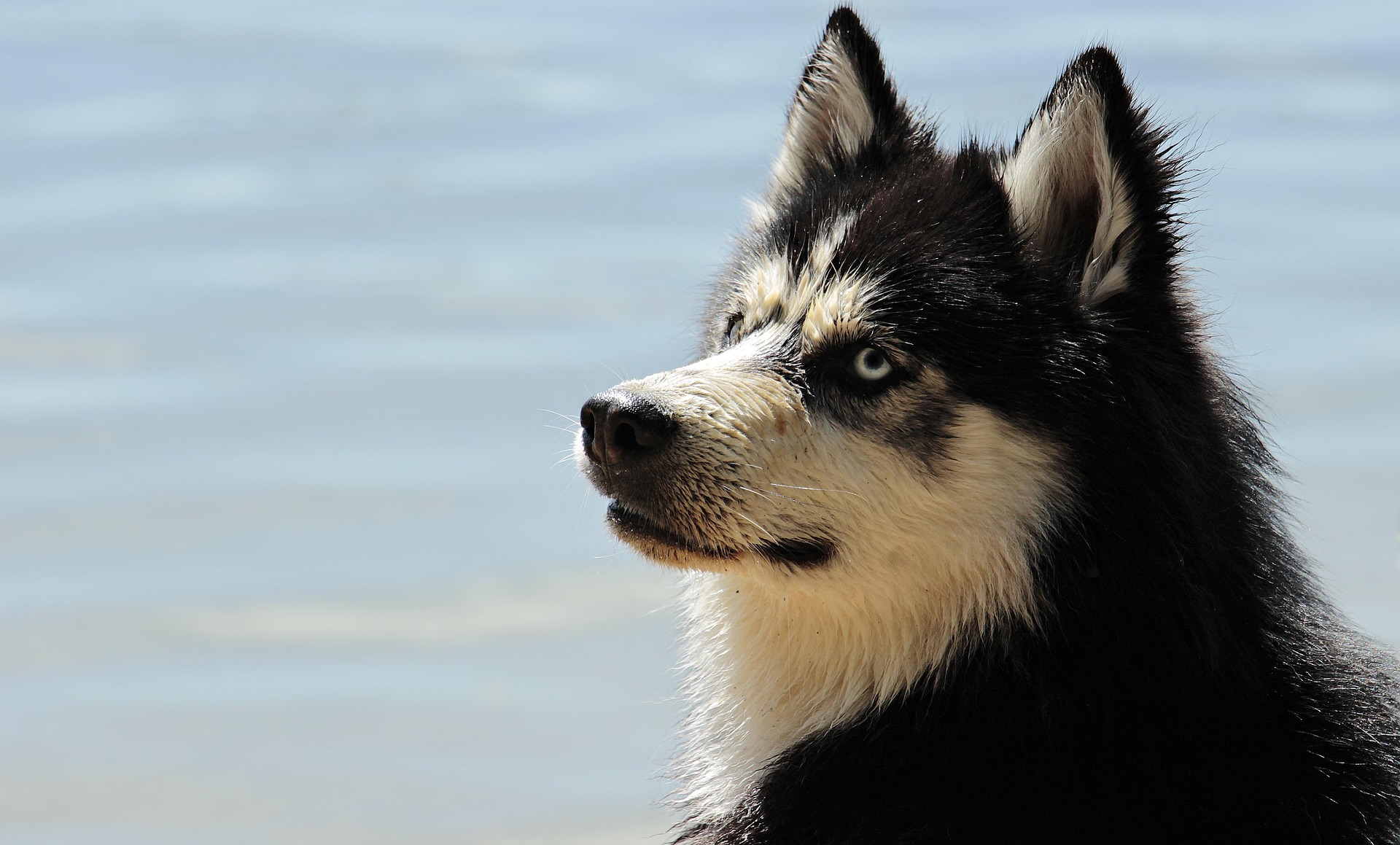
Siberian Huskies aren't usually aggressive toward people, but they possess an exceptionally strong prey drive. Smaller animals, including cats, rabbits, and wildlife, may trigger instinctive chasing behavior. Huskies are also energetic escape artists that require significant exercise and mental stimulation every day. They can also develop destructive or reactive behaviors if they are not provided with enough enrichment.
The Alaskan Malamute shares many characteristics with the Siberian Husky but is generally larger and even more powerful. This breed thrives when given jobs to do and plenty of physical activity. Without enough stimulation, they can become frustrated, stubborn, and difficult to manage. They require strong leadership, structured routines, and persistent early training.
The Cane Corso is a massive Italian mastiff bred to guard homes, farms, and livestock. Their imposing appearance alone is often enough to deter unwanted visitors, but their protective instincts require careful management. These dogs aren't naturally aggressive without reason, yet they can react quickly if they believe their family is threatened.
Wolf hybrids combine domestic dogs with wolves, therefore resulting in animals whose behavior can be difficult to predict. Some inherit more domestic characteristics, while others retain stronger wild instincts. Their unique needs make them unsuitable for most households, and ownership is restricted or prohibited in some parts of the United States. Unless you have extensive experience and understand the legal requirements where you live, a wolf hybrid is not recommended.
It's important to remember that no dog is automatically aggressive simply because of its breed. Several other factors also have influence on behavior, including early and effective socialization, regular and consistent positive reinforcement obedience training, plenty of enrichment, regular exercise that is a suitable amount for the breed and their energy levels, and also mental enrichment to prevent boredom and frustration.
Other important factors involved in a dog's temperament and behaviour are responsible breeding, receiving proper healthcare, safe and consistent handling, and finally, individual personality and temperament also have a part to play.
When you welcome a puppy into your home, the choices you make every day shape your dog's behavior. You should start socialization while your puppy is young by introducing them to different people, environments, sounds, and other animals. Use positive reinforcement by rewarding calm behavior with praise or treats instead of relying on punishment.
Physical exercise is equally important. Many working breeds were developed to perform demanding jobs, so long walks alone may not meet their needs. Puzzle toys, obedience work, scent games, and structured play all provide valuable mental stimulation.
Finally, learn to recognize signs of stress before they escalate. Growling, stiff body language, lip licking, and avoiding eye contact are all ways dogs communicate discomfort. Responding early can prevent situations from becoming dangerous. And if you are concerned with your puppy or dog's behavior, consult a certified dog behavior specialist or your veterinarian for help.
When discussing aggressive dog breeds, it's important to remember that no dog is automatically aggressive simply because of its breed. Many factors influence dog behavior. Before choosing to welcome any puppy into your home, it's important that you research the breed carefully, take an honest look at your lifestyle, experience level, and the amount of time you can dedicate to meeting that breed's needs, and purchase from a responsible and ethical breeder.
The right match, with the right upbringing, can make all the difference, helping your dog become a confident, happy, and well-adjusted family member for years to come!
12 August, 2026