
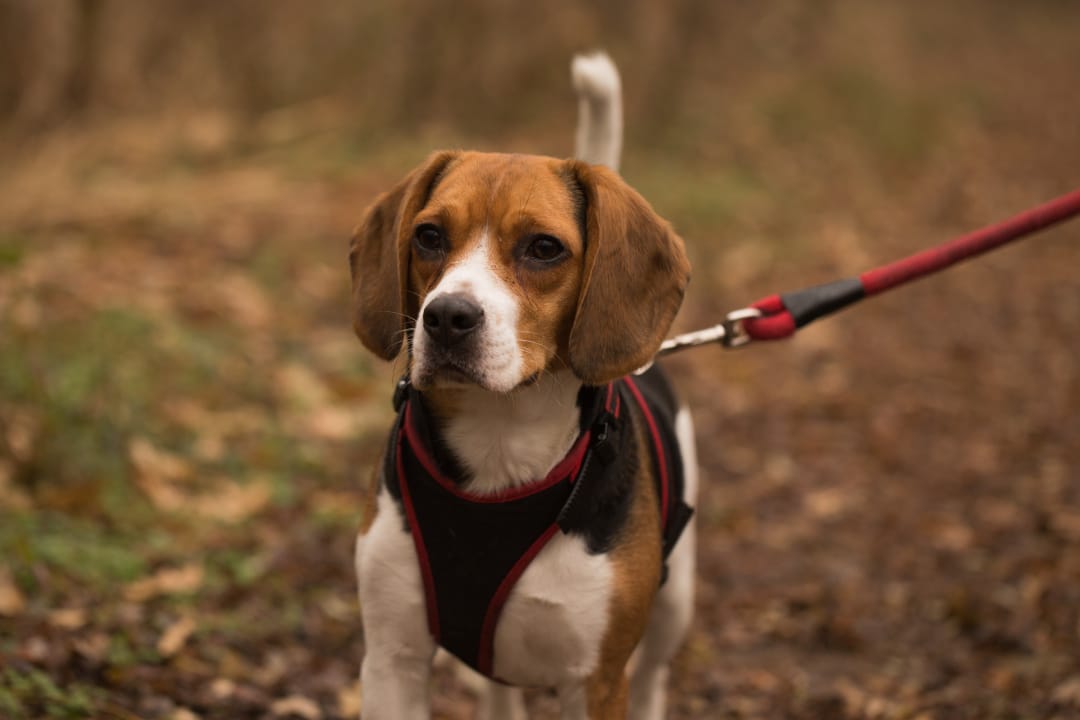
Taking your dog for a walk is about so much more than getting some fresh air. Walks provide exercise, mental stimulation, training opportunities, and valuable bonding time with your puppy. But before you head out the door, you need the right equipment. Choosing the best dog leash and harness can make walks safer, more comfortable, and more enjoyable for both you and your dog.
With so many options available, from standard leashes and no-pull harnesses to reflective gear and hands-free designs, it can feel overwhelming trying to decide what is right for your pup. The best choice really depends on your dog's size, breed, personality, walking habits, and training level. A small dog who enjoys a gentle stroll will have very different needs from a strong, energetic dog who loves to pull.
In this article, we take a look at how to choose the best dog leashes and harnesses for your puppy or adult dog.
One of the biggest decisions you'll make is whether to use a collar, a harness, or both. A harness is often a popular choice because it distributes pressure across your dog's chest and body instead of placing it all around their neck. This can be especially helpful for dogs that pull, small breeds with delicate necks, or dogs with breathing issues.
Harnesses can also provide better control because they are more secure and make it harder for dogs to slip away. This is particularly important for nervous dogs, escape artists, and puppies who are still learning good walking habits. However, a harness is not a magic solution for pulling. While some harness designs can discourage pulling, your dog will still need consistent training to learn polite leash manners.
Collars are still useful, too. They are lightweight, easy to put on, and are the best place to attach your dog's ID tags. Many owners choose to use a collar for identification and a harness for walks. Whatever option you choose, the most important factor is proper fit. A collar or harness that is too tight can cause discomfort, while one that is too loose may allow your dog to escape.
A good leash gives you control while allowing your dog enough freedom to explore safely. Leash length plays a big role in how much control you have during walks. Most standard walking leashes are between 4 and 6 feet long. This length is usually ideal for everyday walks because it gives your dog room to sniff and explore while keeping them close enough for you to react quickly if needed.
Shorter leashes can be helpful when training a puppy, walking in busy areas, passing other dogs or pedestrians, and practising loose-leash walking. Longer leads can be useful for recall training or allowing your dog more freedom in safe, open spaces.
There are several different leash styles available, and each has advantages depending on your lifestyle. A traditional flat leash is the most common option and works well for everyday walks. They are available in different lengths, widths, and materials, making it easy to find one that suits your dog's size.
Retractable leashes allow dogs to explore farther away, sometimes up to 20 or 30 feet. While this extra freedom can be enjoyable in open spaces, they provide less immediate control. They may not be the best choice for busy sidewalks, dogs that react to other animals, areas with traffic, and dogs still learning leash manners. The thin cord can also create a safety hazard if it wraps around a person or another dog.
Hands-free leashes attach around your waist and can be useful for runners, hikers, or owners who enjoy active adventures with their dogs who are leash-trained. Another option is slip leads that combine a leash and collar in one piece and are commonly used by trainers, groomers, and shelters because they are quick to put on.
The material of your dog's leash and harness matters, especially if you have a strong dog or an enthusiastic chewer. Nylon is affordable, lightweight, and available in many colors and styles, and it works well for most dogs. Leather is durable and comfortable, although it may require more care and can be more expensive.
Reflective materials can also be helpful for improving visibility during early morning or evening walks. For large or powerful dogs, choose a leash with strong stitching, sturdy clips, and hardware that can handle your dog's strength.
A well-designed harness should be comfortable, secure, and correctly fitted. Adjustable straps allow you to create a better fit for your dog's unique body shape. A properly fitted harness should be snug but allow you to slide two fingers underneath the straps. Padding around the chest area can improve comfort, especially for dogs who enjoy long walks, hiking, or outdoor adventures.
Some harnesses have a clip on the back, while others include a front attachment point. Front-clip harnesses are often used during loose-leash training because they can help redirect a dog that pulls, while back-clip harnesses are commonly used for relaxed walkers.
Even the highest-quality leash and harness won't work well if your dog dislikes wearing them. Before buying, consider your dog's size and body shape, their walking habits, whether they are still growing, their activity level, and any health concerns. Your playful puppy, your adventurous hiking partner, and your senior dog enjoying gentle walks may all need different equipment.
The best dog leashes and harnesses are those that keep your dog safe, comfortable, and secure while making your time together outdoors more enjoyable. Allow your dog time to get used to new equipment. Introduce a harness gradually with treats and positive reinforcement, especially if your puppy is wearing one for the first time.
With the right setup, every walk can become another opportunity to strengthen the special bond you share with your four-legged friend!
05 September, 2022