
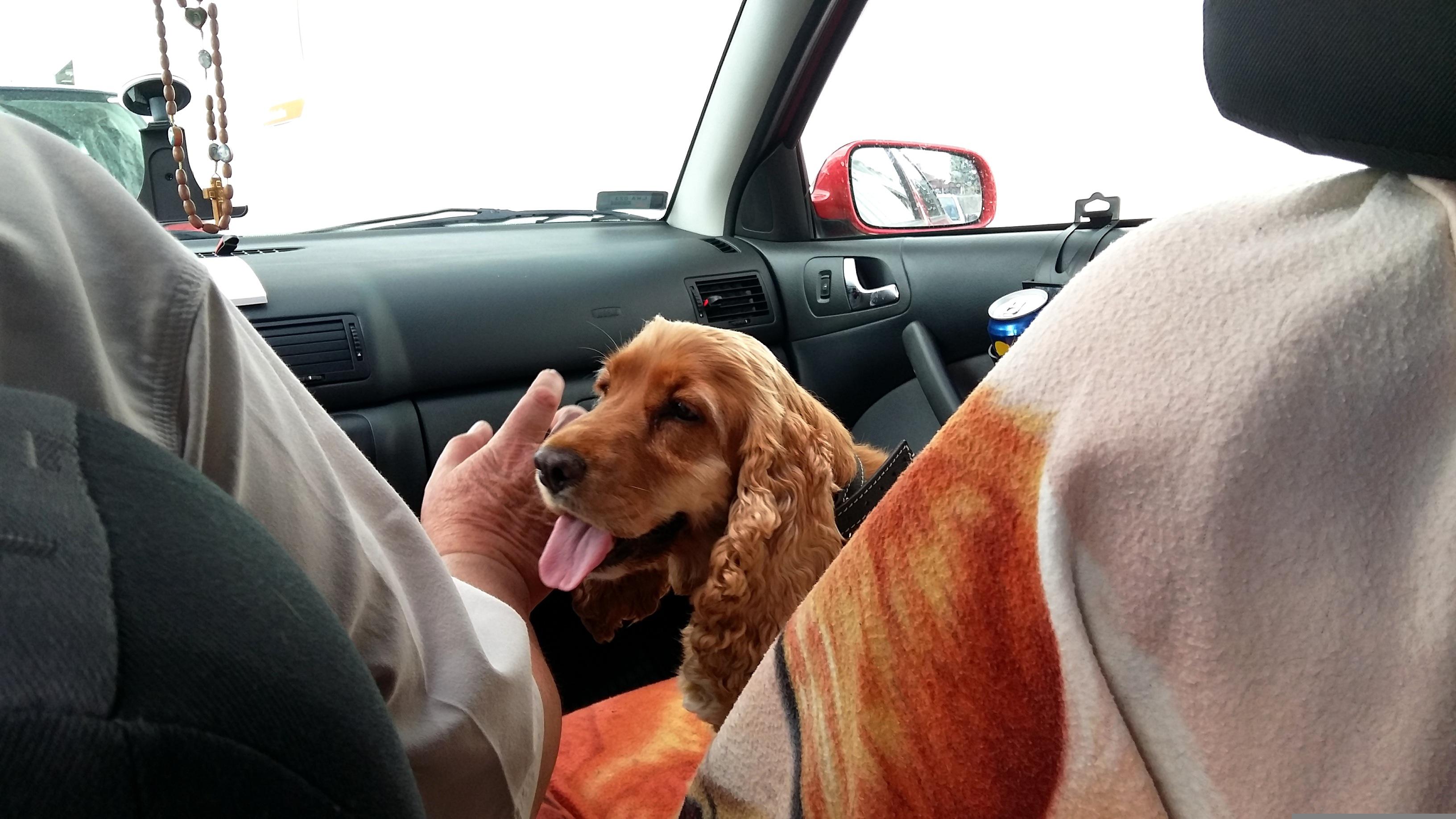
As a cat or dog owner, when temperatures rise during the summer months, traveling with pets becomes more challenging and potentially dangerous. Whether you're heading to the vet, going on vacation, or simply running errands, transporting cats and transporting dogs safely in hot weather should be a top priority for every pet owner.
In this article, we explore practical strategies to keep your pets cool, comfortable, and safe during summer car journeys.
Many pet owners underestimate just how quickly a car can heat up. Even on a mild 75°F day, the interior of a parked car can exceed 100°F within minutes. On hotter days, temperatures can soar past 120°F rapidly, even with windows cracked open, so it’s essential that you never leave your cat or dog alone in a car.
Cats and dogs are especially vulnerable to heat because they don’t sweat like humans. Dogs primarily cool down by panting, while cats rely on grooming and limited sweat glands in their paws. In a confined, hot environment like a car, these natural cooling methods are often not enough.
It’s important to recognize the warning signs of heat-related stress in a cat or dog. These signs and symptoms of heat stress may include excessive panting or drooling, lethargy or weakness, vomiting or diarrhea, bright red or pale gums, and disorientation or collapse. If you notice any of these symptoms while transporting cats or transporting dogs, stop immediately, move your pet to a cooler environment, and seek veterinary care immediately.
Here are some practical tips to help you with transporting cats and transporting dogs in hot weather that you can implement to keep them cool.
Before placing your dog or cat inside the vehicle, start your car and let the air conditioning run for several minutes. A cool interior will make a significant difference to the environment, especially for pets that are already sensitive to heat.
You can also use window shades or tinted windows to reduce heat and glare. Direct sunlight can quickly overheat your pet, especially if they are in a carrier or crate. This can be especially helpful if the crate or carrier is next to a window.
Make sure your car’s air conditioning is functioning well, and that cool air reaches the back seat or area where your pet is located. For larger vehicles, consider using fans designed for pet travel to help circulate air more effectively.
To keep your pet cool on the seat or in a crate or carrier, you can add a cooling mat, damp towels, or even use a specially designed cooling vest to help regulate your pet’s body temperature. Don’t use ice packs directly against your pet’s skin, as this can cause discomfort or injury.
This cannot be emphasized enough because even a quick trip into a store can turn deadly. If you cannot take your pet with you, it’s safest to leave them at home in a climate-controlled environment.
Don’t consider leaving your dog or cat in the car for even a moment. It might seem cool when you leave the car, but the temperature inside a vehicle can very quickly increase and become harmful.
Always bring fresh, cool water and a portable bowl when transporting cats or transporting dogs. Offer water at regular intervals, especially during longer trips. Dehydration can set in quickly in hot conditions, so frequent hydration is essential.
Cats should always be transported in a well-ventilated carrier. Dogs should be secured with a harness, crate, or pet seatbelt. Choose carriers made from breathable materials and as we mentioned earlier if you can avoid placing them in direct sunlight or use filters on the windows. For both cats and dogs, ensure there is enough space for them to turn around and lie down comfortably.
Keep an eye and listening ear on your pet throughout the journey. Changes in breathing, behavior, or posture can signal discomfort or overheating. Acting quickly can prevent a minor issue from becoming a serious emergency.
Give yourself plenty of time for journeys in hot weather so you can make frequent, safe stops to check on the health and welfare of your dog or cat. On long journeys, stop every couple of hours to allow your dog to stretch, hydrate, and cool down. While cats typically remain in their carriers, breaks still give you a chance to check on their comfort and temperature. This gives time to provide water, for example.
Whenever possible, schedule your trips early in the morning or later in the evening when temperatures are lower. Avoid midday travel, when the sun is strongest, and the risk of overheating is highest.
Cats are generally more sensitive to travel stress, which can be compounded by heat. Keep their environment calm and quiet, and avoid opening the carrier unnecessarily. A light blanket over the carrier can reduce stress, but ensure airflow is not restricted.
Dogs vary widely in their heat tolerance. Brachycephalic breeds, like Bulldogs or Pugs, older dogs, and those with thick coats are particularly vulnerable. For these pets, extra precautions, like shorter trips and additional cooling measures, are essential.
Even with the best preparation, emergencies can happen. Keep a pet travel kit in your car that includes water and a collapsible bowl, a thermometer, a cooling towel or mat, and emergency contact information for your vet. Knowing where the nearest veterinary clinic is along your route can also save valuable time in an emergency.
Transporting cats and transporting dogs during the summer doesn’t have to be stressful, but it does require planning and awareness. By taking simple precautions like cooling your car, ensuring proper hydration, and monitoring your pet closely, you can significantly reduce the risks associated with hot weather travel. If you are concerned about your pets health at any point contact your veterinarian for advice.
Your pets rely on you to keep them safe. With a little preparation and attention to detail, you can make every summer journey a comfortable and enjoyable experience for both you and your beloved cat or dog!
18 May, 2026