
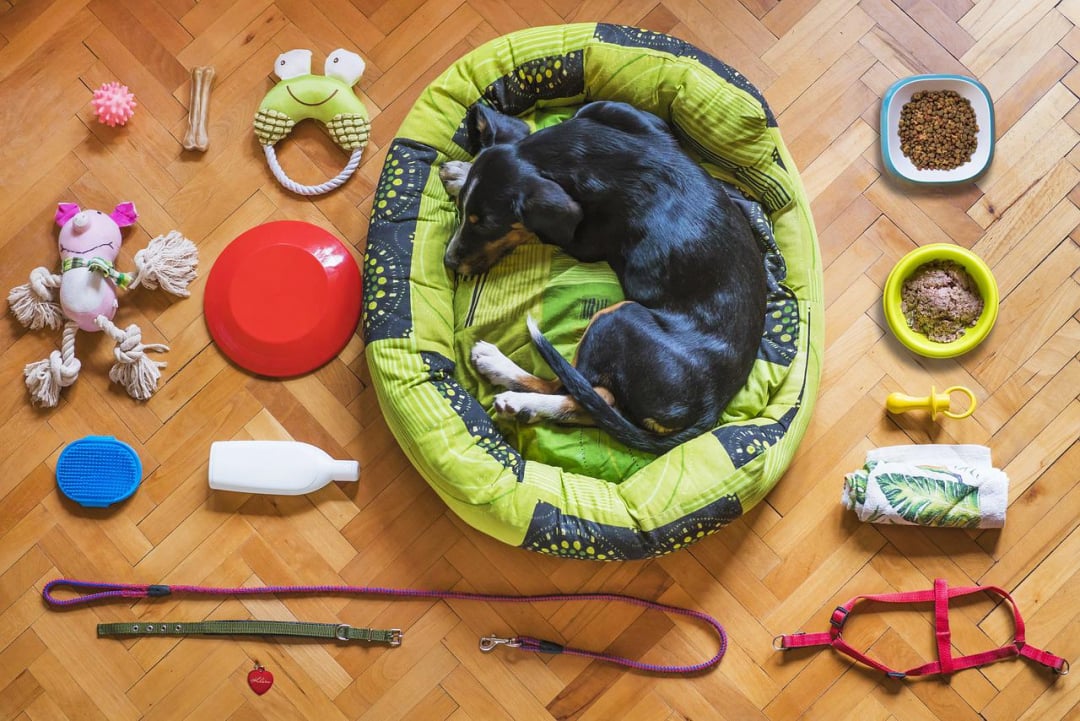
Bringing home a new puppy is one of life’s most exciting moments! From that first enthusiastic tail wag to zoomies and fun walks together, welcoming a puppy into your family is an unforgettable experience. But it is natural to also feel a little nervous, especially if you're a first-time puppy parent, and that’s completely normal. At Puppy Hero, we’re here for every step of the journey, from helping you find responsible breeders and the perfect puppy, to guiding you through those early weeks of training and bonding.
In this article, we go through the ultimate checklist for new dog parents to help you raise a happy, healthy dog. And it takes preparation, patience, and the right supplies, but with a little planning, you can make your puppy’s transition into their new home smooth, safe, and stress-free. While every dog has unique needs depending on breed, size, and personality, these essentials will help set the foundation for a happy life together.
Your puppy’s first walks are a big milestone, and the right leash and collar make all the difference. Once they’ve had their necessary vaccinations and have been cleared by their vet to go out and begin socialization, you can start dog walking! Most trainers recommend starting with a fixed-length leash about six feet long, which gives your dog enough freedom to explore while still keeping them under control. Retractable leashes can be useful in certain situations, but for early training and neighborhood walks, a standard leash is usually the better choice.
Many dog parents also love leashes with a traffic handle, which is a second loop closer to the collar that allows you to quickly guide your dog when passing traffic, crossing streets, or navigating crowded areas. Choose an adjustable collar that fits snugly but comfortably. As a rule of thumb, you should be able to slip two fingers between the collar and your puppy’s neck.
An ID tag is absolutely essential and should include your dog’s name and your phone number. Some owners also include their address or a secondary contact number. Many veterinarians recommend microchipping your dog for extra security. If your pet ever gets lost, a microchip dramatically increases the chances of being reunited.
Nutrition plays a huge role in your puppy’s growth and development. Choosing the right food early on helps support healthy bones, a shiny coat, and plenty of energy for playtime. If you’re picking up your puppy from a breeder or rescue, ask what food they’ve been eating and start with the same formula to avoid stomach upset. Over time, you can transition to a different brand if needed.
You can also ask your veterinarian for advice on what to feed your dog, especially if they need a specialist diet. This is especially a good idea if you’re interested in home-prepared meals when it’s essential to talk with your veterinarian first. Puppies require a very specific balance of nutrients depending on their age, breed, and size. Your vet can recommend a feeding plan that ensures your puppy gets everything they need to thrive.
One thing every new dog parent learns quickly is to always bring more poop bags than you think you’ll need. Cleaning up your puppy’s poop is a part of responsible dog ownership, and keeping a roll of bags attached to your leash makes it easy to stay prepared. Many pet owners now choose biodegradable or compostable bags, which help reduce environmental impact while still getting the job done.
As well as physical enrichment like dog walks, you should also provide plenty of enrichment activities, and that can include chews and toys. Puppies explore the world with their mouths, which means chewing is inevitable, but you can train your puppy to chew on the right things!. Chews are especially helpful during the teething stage, when puppies naturally look for ways to soothe sore gums.
Choose a variety of toys that encourage healthy play and mental stimulation. Check that they are suitable for your breed, your puppy’s size, and their age. You could choose from puzzle toys that challenge your puppy’s brain, durable chew toys for teething, and soft toys for comfort and gentle play.
Training treats are another essential. Positive reinforcement obedience training is one of the most effective methods for teaching good behavior. Small, tasty treats can help your puppy learn commands quickly, such as “sit,” “stay,” and “come.” Treats should make up no more than about 10% of your dog’s daily calories. Many trainers also use pieces of regular kibble during training sessions to maintain balance.
Crate training is one of the most valuable tools for raising a well-adjusted dog. When used properly, a crate becomes your puppy’s safe space as a cozy den where they can relax and sleep. It also helps with house training and prevents puppies from getting into trouble when you’re not able to supervise, for example, when you’re at work.
Choose a crate that is large enough for your puppy to stand comfortably, turn around, and lie down fully stretched out. If you’re bringing home a young puppy that will grow significantly, consider a crate with adjustable dividers so you can expand the space as they get bigger.
Your puppy will spend a lot of time sleeping, sometimes up to 18–20 hours a day in the early weeks. So a comfortable dog bed gives them a designated place to rest and will help with establishing a healthy routine. There are many styles available, from orthopedic foam beds to donut-shaped cuddle nests. You don’t need to go overboard at first. One cozy bed in a quiet area of your home is plenty to start with. As your puppy grows, you’ll learn their bedding preferences and can upgrade accordingly. Many puppies and dogs really appreciate a blanket as well.
Regular grooming keeps your dog healthy and comfortable, and it’s best to introduce the routine early. Start with a few basic supplies like a brush or grooming glove suited to your dog’s coat, nail clippers or a nail grinder, dog-safe shampoo, and grooming wipes for quick clean-ups. Different breeds have very different grooming needs, so it’s perfectly fine to begin with the basics and add more tools later.
Preparing for a new puppy might feel overwhelming at first, but welcoming your puppy into your home will be one of the most exciting things you’ve ever done!. With the right supplies, a little patience, and lots of love, your puppy will quickly grow into a loyal companion and loved member of your family!
04 April, 2022