
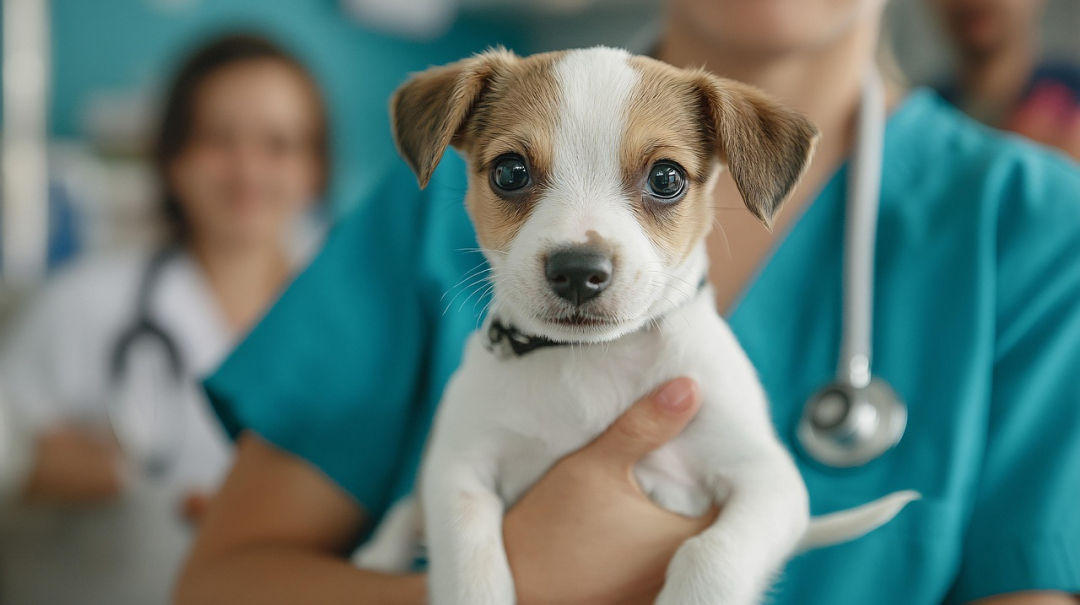
As a responsible breeder, you will have a strong desire to support animal welfare and produce puppies of higher welfare standards. And you will be aware of how important it is for everyone to work together for higher animal welfare in a spirit of collaboration.
At the 40th World Veterinary Association Congress in Washington, D.C., a speaker urged veterinarians and dog breeders to forge a closer alliance for the benefit of animals and the health of the breeding enterprise. This is really important in the US for preventing puppy mills and irresponsible puppy breeding and fostering a community of responsibility towards higher animal welfare.
In this article, we take a look at how breeders and vets can work together to support animal welfare and encourage ethical and responsible puppy breeding practices.
There can be this idea of an unspoken distrust between veterinarians and dog breeders. They can very easily be portrayed as being on the other side. Dog breeders can feel judged by veterinarians, and breeders can seem resentful towards veterinarians. However, it is much better for the dogs when veterinarians and dog breeders work together. Dog welfare can be improved, health improves, and challenges can be proactively tackled.
For veterinarians, breeders are quite significant, both financially and in preventing diseases, improving genetic health, and stepping in with advice for early prevention. When breeders and veterinarians work together, so much more can be achieved to improve the health and welfare of dogs.
With so many unscrupulous breeders and puppy mills across the US, you can see how veterinarians can be cautious with breeders. Public cases of violations of animal welfare, when breeders are found to be guilty of mistreatment and cruelty to their dogs and puppies, can erode trust in dog breeders. The risk of this is that consumers can start to avoid all breeders, and so might actually end up selecting puppies from unlicensed breeders or black-market channels.
Veterinarians may have to challenge breeders' choices and manage complications from poor breeding choices. For example, a breeder who has a dog that has already had the correct number of litters is advised not to have more, and then decides to have the dog have one more litter and subsequently becomes sick. This can be challenging for veterinarians.
Poor breeding choices can lead to genetic disease, poor socialization, and medical issues that could have been avoided. These issues can be avoided when breeders are committed to breeding practices for higher welfare, and if veterinarians can offer a proactive and supportive service, working with dog breeders.
Here are some ways to build positive alliances between dog breeders and veterinarians to promote animal welfare and best care practices for both the dogs and their puppies.
Dog breeders often rely on genetic and health screening, such as screening for hip, elbow and cardiac issues, eye problems, etc. Veterinarians can help design screening protocols, interpret results, and coordinate with breed clubs. Breeding to avoid inherited genetic conditions is essential for healthy puppies and the long-term benefits of the breed.
Sadly, the overuse of antibiotics in breeding populations is a known issue. Dog breeders and veterinarians should work together to produce policies that promote responsible antimicrobial practices, especially for breeding dogs and puppies. These policies should ensure that antibiotics are only used when medically justified, to protect both animal and public health.
Both breeders and veterinarians can offer education and continued professional development. Breeders can share breed club decisions and policies, and they can invite veterinarians to annual meetings. Veterinarians can offer workshops and webinars on topics like neonatal care, nutrition, parasite control, and socialization. Breeding clubs or associations can invite veterinary speakers to annual meetings to foster respect and share views.
Having a welfare certification or some form of accreditation endorsed by vets and breeder organizations, can also reassure consumers that a breeder follows best care practices. This kind of evidence‑based badge can help ethical breeders distinguish themselves in a crowded marketplace.
When there are cases of suspected neglect, disease outbreaks, or emergencies, vets and breeders should have clear lines of communication or referral agreements. A breeder should know which veterinary experts to call if they have problems with a litter, puppy, or dog, and a vet discovering substandard care should know how to engage breeders constructively to improve welfare standards and be aware of when escalation or referral is necessary.
A breeders’ dogs are valuable to veterinarians for genetic and health studies. When veterinary researchers and breeders cooperate, studies into breed-specific disease prevalence, longevity, and optimal husbandry can progress. These results can then support dog breeders and veterinary decision-making to ensure greater welfare for dogs and their puppies.
Some people might worry that if a veterinarian and dog breeder work too closely, both might lose their independence. However, with clear guidelines and transparency, such as agreements and disclosures, etc., can help prevent this from becoming an issue.
Not all breeders are equal, but a sense of tension over veterinarian presence can be alleviated by working with breeders that are specifically looking to collaborate and for the veterinarian to decide which welfare standards they expect breeders they collaborate with to adhere to. Veterinarians can find that they meet resistance from dog breeders, but building communication and partnerships can help build relationships and effective communication.
Dog welfare can improve considerably when dog breeders and veterinarians work together. Here’s how animal welfare can be improved:
For US dog owners, being able to buy healthy, well-socialized puppies bred with higher welfare standards can only be a good thing. Buyers gain confidence and healthier puppies. With greater trust, veterinarians will feel more able to guide their clients and manage complex cases.
Some states are actively promoting breeder clubs and veterinarian practices to share welfare protocols and work together and use this model to work together. Publicly sharing stories and testimonials will also help raise awareness. It can be good for veterinarians to offer perks for breeders who work with them. This could be as simple as marketing advantages.
When dog breeders use best practices and follow higher welfare policies, it seems obvious that they would want to work closely with a good veterinarian who is proactive and supportive to build a collaborative alliance. This can only help to improve dog welfare, building on a partnership of shared respect and responsibility.
17 November, 2025