
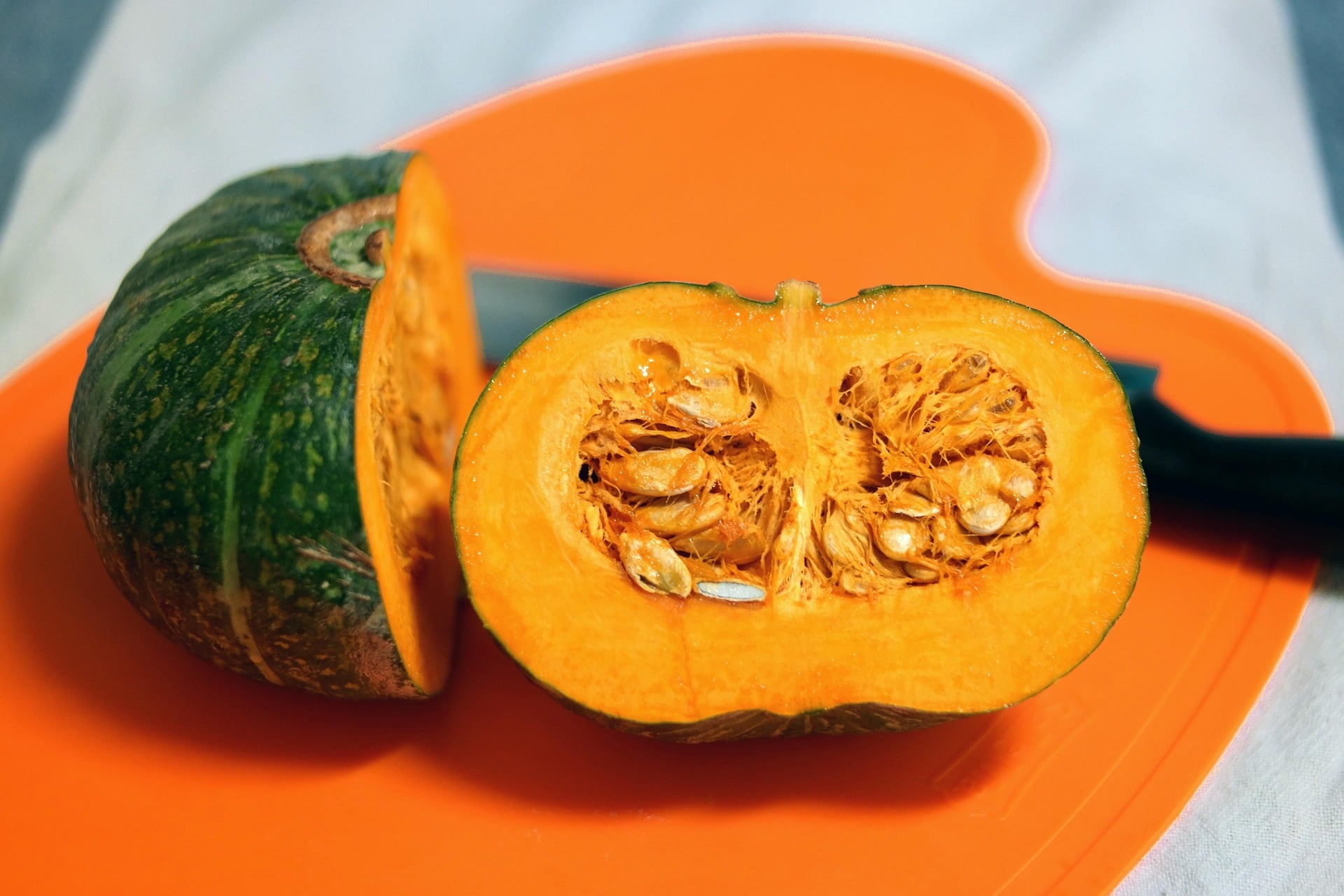
If you've ever carved a pumpkin or made pumpkin pie, you've probably wondered whether you can share some with your dog. The good news is yes, dogs can eat pumpkin, and it's actually one of the healthiest foods you can add to their diet when served correctly!
Pumpkin is packed with nutrients, gentle on the digestive system, and often recommended by veterinarians to help with common stomach issues. However, not all pumpkin is safe, and feeding too much can lead to digestive upset.
In this article, we take a look at everything you need to know before adding pumpkin to your dog's bowl.
Yes, plain pumpkin is safe for most dogs. Both fresh cooked pumpkin and plain canned pumpkin are nutritious options that can support your dog's overall health. Pumpkin contains natural fibre, vitamins, and minerals, and is relatively low in calories, making it a healthy treat for dogs of all ages. As with any new food, it's best to introduce pumpkin gradually to make sure your dog tolerates it well.
In general, pumpkin should be treated as an occasional supplement rather than a main meal. General serving guidelines include 1-2 teaspoons for small dogs up to 3 tablespoons for large dogs. Start with a smaller amount and monitor your dog's digestion before increasing the serving. It’s important to remember that treats and extras should generally make up no more than 10% of your dog's daily calorie intake.
Pumpkin offers more than just a tasty seasonal treat. It contains several nutrients that support your dog's health. One of pumpkin's biggest benefits is its fibre content, which supports healthy digestion. Fibre helps regulate digestion, making pumpkin useful for dogs experiencing either constipation or mild diarrhea. Because it absorbs water while moving through the digestive tract, pumpkin can help produce firmer stools and encourage more regular bowel movements.
Thanks to its fibre, pumpkin is naturally filling, and it is naturally low in fat and calories. For dogs that need to lose weight, adding a small amount of pumpkin to meals may help them feel satisfied without significantly increasing calorie intake. Any diet changes should still be discussed with your veterinarian.
Pumpkin also contains several important vitamins, including vitamin A for healthy eyesight, vitamin C to support the immune system, vitamin E for healthy skin, and several B vitamins that help with energy production. These nutrients contribute to your dog's overall wellbeing as part of a balanced diet.
Pumpkin also contains minerals that support normal body function, including potassium, iron, copper, and magnesium. These nutrients help maintain healthy muscles, nerves, and circulation.
Yes, dogs can eat canned pumpkin, but only if it's 100% pure pumpkin, so read the label carefully. Plain canned pumpkin offers the same nutritional benefits as fresh pumpkin while being convenient and available throughout the year.
Avoid products that contain sugar, salt, artificial sweeteners, spices, or flavorings. And never feed your dog pumpkin pie filling, as it’s not safe for dogs. Although it contains pumpkin, it also includes ingredients that can make dogs ill.
Many pumpkin pie fillings contain nutmeg, large amounts of sugar, butter, spices, and artificial ingredients. Some sugar-free products may also contain xylitol, an artificial sweetener that is extremely toxic to dogs and requires immediate veterinary attention if consumed.
Dogs can eat small amounts of raw pumpkin, but it isn't usually the best choice. Raw pumpkin is tough and difficult to digest, particularly for smaller dogs or dogs with sensitive stomachs. Cooked pumpkin is much softer, easier to digest, and allows your dog to benefit from the nutrients more comfortably. If preparing fresh pumpkin at home, cook it without adding oil, butter, salt, or seasonings.
Most dogs enjoy pumpkin without any issues, but every dog is different, and although pumpkin is healthy, feeding too much can cause problems. Possible side effects include loose stools, gas, stomach discomfort, and excess fibre intake. Dogs with existing digestive conditions or special dietary requirements should only receive pumpkin after speaking with their veterinarian.
If your dog develops persistent vomiting, severe diarrhea, loss of appetite, lethargy, or signs of an allergic reaction, such as facial swelling or difficulty breathing, stop feeding pumpkin straightaway and contact your veterinarian. These reactions are uncommon but should always be taken seriously.
Yes, pumpkin seeds can be safe for dogs if prepared correctly. Before feeding them, remove the outer shell if possible and serve them plain. Roasted seeds without salt or seasoning are generally easier for dogs to digest. Pumpkin seeds contain healthy fats, protein, antioxidants, zinc, and magnesium.
Whole seeds can present a choking risk for small dogs, so grinding them into a powder or chopping them finely may be a better option. Don't feed your dog flavored, salted, or heavily roasted pumpkin seeds sold as snacks for people.
Pumpkin is surprisingly versatile, and there are several easy ways to feed it to your dog. You can mix plain pumpkin into your dog's regular food, freeze pumpkin into small treats, stuff a food puzzle or enrichment toy with pumpkin, or blend pumpkin with plain dog-safe yogurt for a frozen snack.
You might also want to try baking homemade dog treats using plain pumpkin and oat flour. Use simple recipes and don't add any ingredients such as chocolate, raisins, nutmeg, excessive sugar, or artificial sweeteners that are harmful to dogs.
Yes, dogs can eat pumpkin. The best pumpkin for dogs is plain cooked pumpkin and 100% pure canned pumpkin. These are both safe, nutritious options that can support healthy digestion, provide valuable vitamins, and make a tasty low-calorie treat.
It’s important to choose plain pumpkin without added sugar, spices, or artificial ingredients and serve it in moderation. Pumpkin pie filling, seasoned pumpkin products, and anything containing xylitol should always be kept away from dogs.
When introduced carefully as part of a balanced diet, pumpkin can become a healthy addition to your dog's menu all year round!
27 August, 2026