
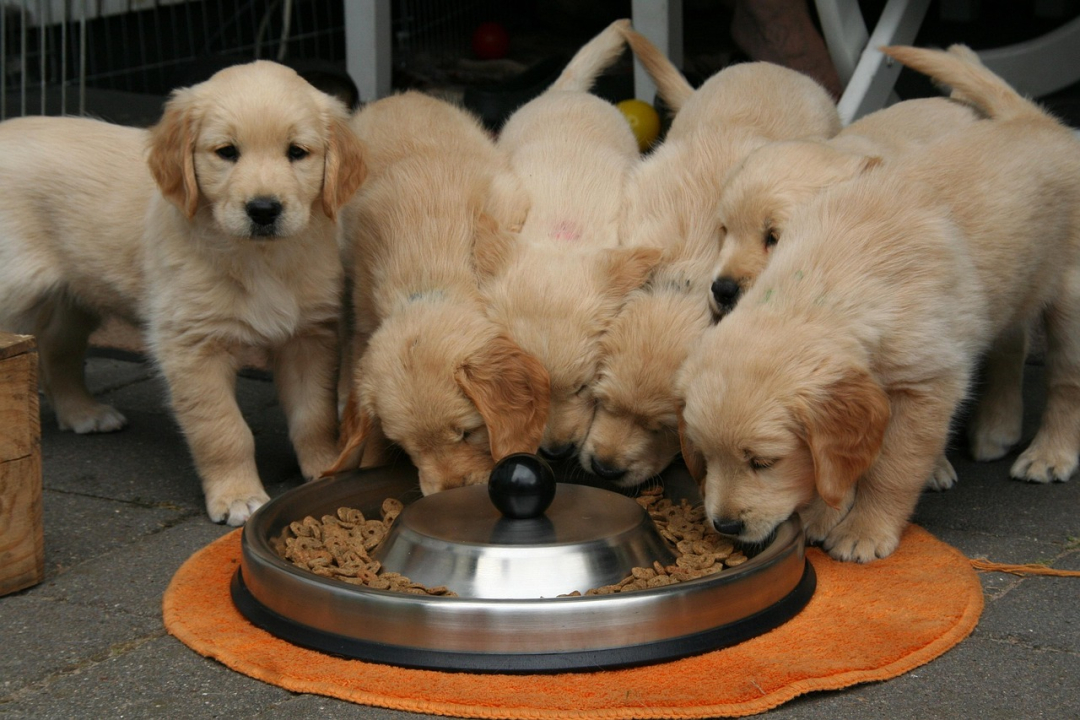
Dog breeding licensing ensures that puppy breeders adhere to high standards of care and ethical practices. The breeders register with local or State authorities and must demonstrate how they meet the necessary standards, as well as pass inspections. They may also need to hold professional certifications or undergo specialized education to meet higher standards for dog breeding. You will need to check your local and State laws, as the requirements for dog breeding licensing can vary by location in the US.
However, some people ask the question: Does licensing increase puppy farming? And some people wonder if licensing will encourage puppy farming rather than reduce it.
Puppy farming or puppy mills produce puppies in an unethical way that does not focus on the health and welfare of the breeding dogs and puppies. Their purpose is to make money from producing puppies, regardless of the pain, suffering or health of the dogs. The parents and puppies live in unsanitary conditions, without health checks or socialization. These puppies can have long-term health and social issues.
Dog breeding licensing aims to put an end to puppy breeding by ensuring that breeders are registered and regulated. Therefore, bought puppies are from responsible and ethical breeders who are registered. These puppies should have had a great start to life and be healthy.
So, how could dog breeding licensing potentially increase in puppy farming?
The biggest issue is the potential for puppy breeders who fail to meet the standards required. Failing may unintentionally lead to a reduction in their standards and to unethical and irresponsible breeding rather than trying to improve standards. Here are some of the issues:
Dog breeding licensing generally requires that dogs do not have more than four litters in a lifetime and only one litter per year. Puppy mill breeders focus on profit rather than health, so they are likely to produce more litters than are healthy for the mum dog.
Due to the amount of work and paperwork to get licensed, many hobby breeders who love their dog breed and wish to have one or two litters and enhance the dog breed it might be too much work and expense to pursue dog breeding licensing when they only want to have one or two litters and therefore, the space opens up to larger, unethical breeders to fill this gap.
There are common reasons why dog breeding licensing might not be effective at combating puppy farming. Some breeders avoid the licensing officers, hide online or use third parties to sell puppies. The standards might vary from location to location. Sometimes officers lack the necessary resources to enforce the law. Puppy farms can also have a public front that passes inspections, but hide breeding operations from customers and officers.
Education is essential. Especially when it comes to people looking to purchase a puppy. People need education on the importance of buying a puppy from an ethical and licensed breeder. Not everyone is aware of licensing or the risk of puppy farms, so the topic needs more open discussion.
There needs to be strict, consistent standards for puppy breeding nationwide. Dog breeding licensing should require health screening and vaccinations, genetic tests for at-risk conditions, socialization, early training of puppies, hygiene standards, limitations on the number of litters per year and regular health checks for the parents.
Accessible and online records of breeders, inspections, and denied licensing certifications can help potential puppy owners know where they should get puppies from. And if they have concerns about puppies they have viewed, it should be very easy for them to contact the licensing officers and to have confidence that it will be investigated.
This will also help prevent people from purchasing puppies from puppy mills because they feel sorry for the puppy and want to rescue it. This happens too often and just funds the unscrupulous breeders.
Additional support for licensed dog breeders can help them continue with their breeding programme. Perhaps reducing the cost of licensing for those with great results, grants and subsidies for genetic and health checks, and recognition, perhaps some type of higher certification for achieving high standards or ethical dog breeding.
Many scrupulous breeders advertise on social media, so stronger regulation of this would also help reduce the number of puppies from puppy farming being sold.
When you are looking to purchase a puppy, first of all, check that they have a dog breeding license. Then you should also ask lots of questions which they should be happy to answer, you should meet the breeder, the dog mum (and possibly dad if not a stud), and the puppies, and you should be able to see the puppies in their home environment.
They should be able to provide health testing and vaccination certificates. It is also a good idea to check out reviews and testimonials from a variety of resources. Do not rely on reviews on one social media profile, for example.
You could also consider adopting a dog from a shelter or a rescue centre. There are lots of dogs waiting for a second chance and a loving home.
Dog breeding licensing protects animals and enables those looking to purchase a puppy to know that it has been bred and raised by an ethical and responsible breeder. Some people do wonder if dog breeding licensing increases puppy farming. There may be people who have two sides to their dog breeding business, and there are still many scrupulous dog breeders who focus on profit and not the health and well-being of their dogs and puppies.
Take steps to purchase a puppy from a responsible breeder who puts the health and well-being of their puppies at the centre of their breeding business, who is licensed. Check out the puppies on Puppy Hero!
11 August, 2025