
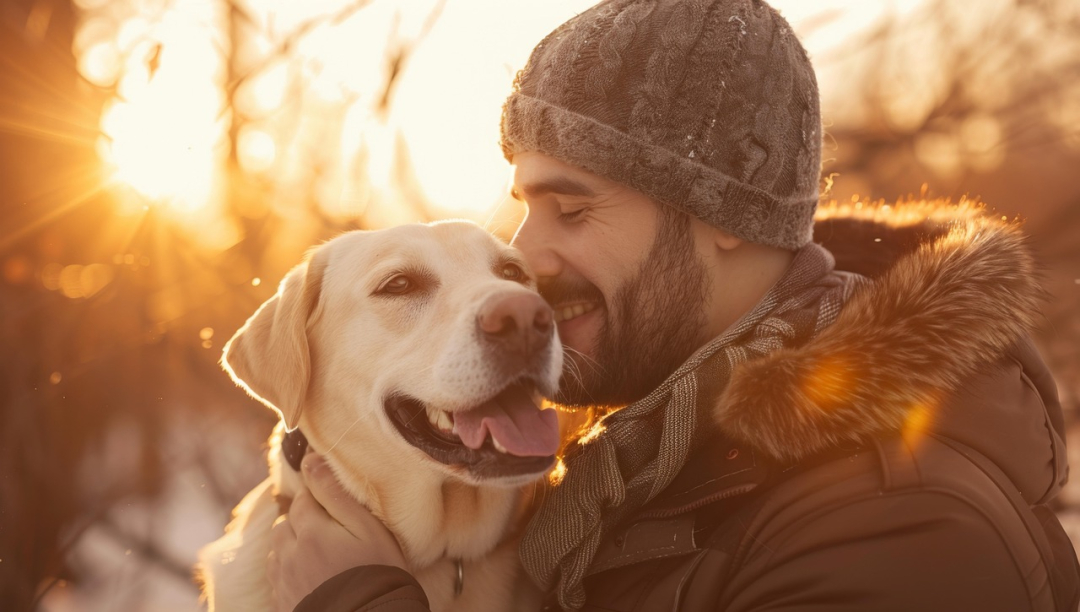
Dog behavior can be really fascinating to both dog owners and dog lovers. From a playful, fun puppy you pass in the local park, to a beloved dog resting their head on your feet. Dogs all exhibit a wide range of variable behaviors, some of which can leave you puzzled and wondering who your dog is doing what it is currently doing! Dog behaviors can sometimes be more prominent in some breeds than others, like a scent hound constantly looking for trails on walks, more so than other dogs, such as a greyhound, which is more of a sight hound.
Genetics can also take a significant role in dog behavior, particularly in their temperament.
However, research has shown that much like humans, early life has a significant impact on the development of dog behavior. Dog behavior is profoundly affected by puppy experiences and their life experiences when they are young. What they learn as a puppy shapes their temperament, character, and behavior.
Learning what this means for you as a breeder to raise puppies with the best potential in life and to teach new owners how to continue, given their puppy experiences that positively shape them once they go to their new home.
The first few months of life are crucial for puppy experiences, and these months are regarded as critical periods in a puppy’s life. And puppy experiences during this time can have long-lasting effects on the puppy’s temperament, character, and behavior. This is why puppy and dog socialization and positive reinforcement training, consistently and from an early age, are so important.
There is a lot of information on how to train your dog these days, from the notes you provide in your puppy pack, to advice on your website, books and YouTube videos, all offering guidance and advice on these two key aspects of raising a puppy.
You must remain calm when training a puppy so your dog doesn’t develop any adverse behaviors like fear-based aggression or develop anxiety that can lead to other behavioral issues in later life. Challenging moments can be hard to avoid, but you must respond calmly so your puppy doesn’t become afraid.
The most important aspect of positive dog behavior is socialization. You should build on the time your puppy is out and about, meeting new animals, other dogs, new people, and going to new places, which will help your puppy learn how to approach new experiences calmly and positively. This can help puppies develop a range of crucial skills such as body language, bite inhibition, and cooperative play. If your puppy meets a variety of people, they are more likely to respond to new individuals positively in the future.
When managing dog behavior, you will need to ensure that your puppy develops resilience in
adverse or scary situations. So getting your puppy gently used to unusual situations or noises and training them to respond to them calmly can help prevent them from experiencing overwhelming or traumatic experiences. And help them cope better in later life. Puppies who experience neglect or abuse often grow up anxious, fearful, or even aggressive. This is why it's so important that your puppy is brought up in a caring, loving home with calm and committed training and support.
This is why it is also so important to use positive reinforcement training techniques to encourage your puppy to develop healthy dog behavior. Training should align with your puppy's age and stage of development and should use positive reinforcement of treats and praise. This helps build a strong relationship between the puppy and their owner. Routines should be consistent and use clear commands and patient training. It’s also key that the whole family use the same commands so as not to confuse your puppy.
Dogs' behavior can vary with breed, so it’s important that you understand behaviors that are particular to your puppies’ breed so you can allow them to enjoy their natural instincts. For example, does your dog have herding, guarding, or retrieving instincts? Genetics alone do not determine behavior, but enriching puppy experiences can help build social and emotional skills.
Dog behavior is partially inherited, which is why it is important that, as an ethical and responsible breeder, you breed from dogs with great temperament and good obedience skills, so the puppies are more likely to also grow up with a good temperament. However, as an ethical and caring breeder, you must take the puppy’s early training and socialization seriously and invest time in it.
Dog behavior is shaped throughout a dog’s life, and their experiences as a puppy can be the foundation for future interactions. As a breeder, you should ensure the dogs you breed from have great temperaments, and as the puppies develop, help them start their socialization and obedience training in line with their age, vaccinations, etc. You should ensure the new owners have all the information they need to carry on their new puppies' training so they can grow into well-adjusted and calm adult dogs who can respond to sudden occurrences or unpredictable moments without fear (like thunder).
A patient and consistent training schedule can ensure a puppy doesn't develop any adverse behavioral traits such as separation anxiety, aggression, and destructive habits. By understanding dog behavior and also traits for your dog’s breed, you can build a loving and trusting bond between you and your dog and enjoy lots of new and exciting experiences together.
24 November, 2025