
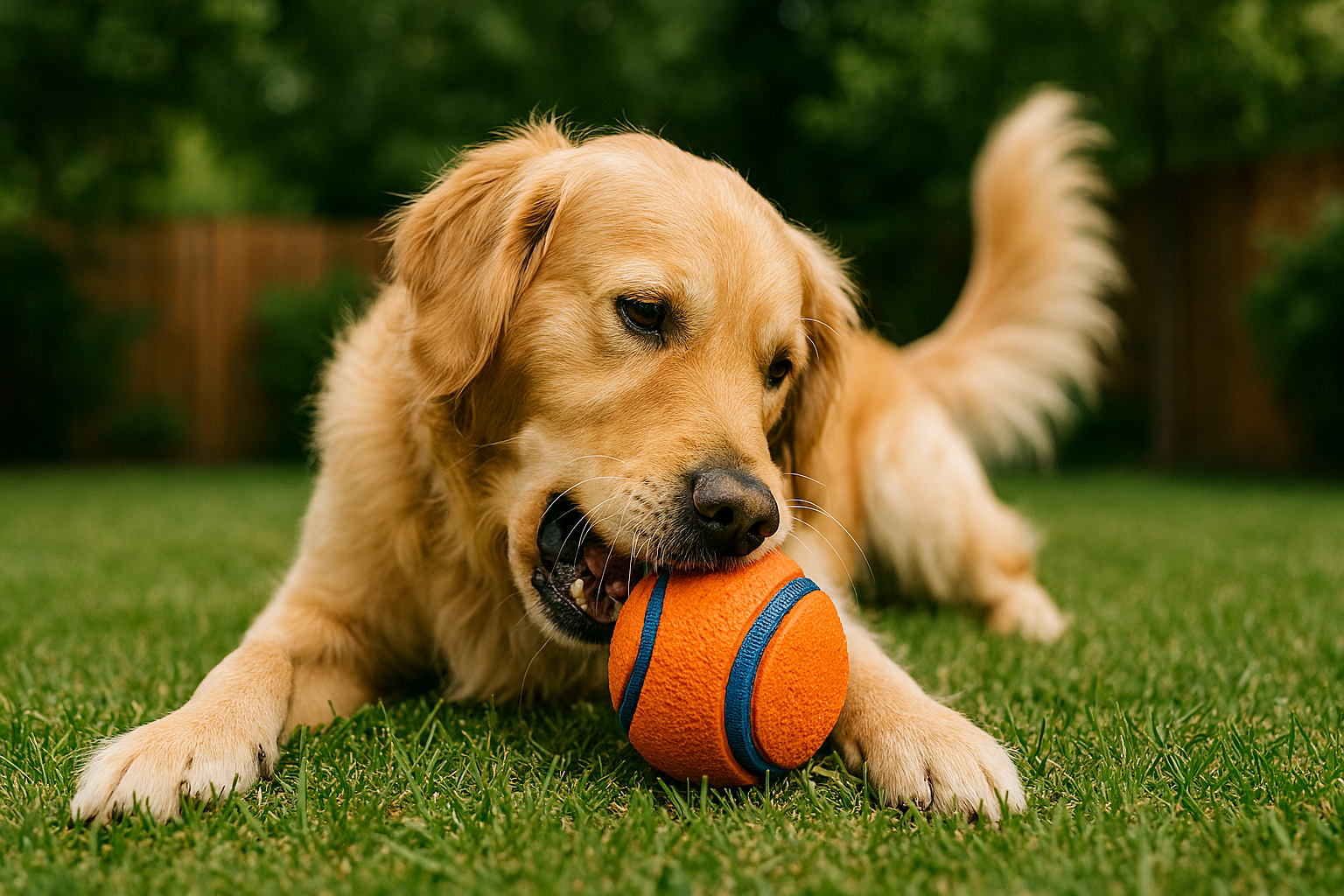
Dogs are known for their loyalty, boundless energy, and playful personalities. But anyone who has owned a dog knows that some pups form an almost magnetic attachment to specific items. Whether it is a squeaky ball, a plush toy, or a chew, many dogs seem utterly obsessed. Recent research and observations from dog specialists suggest that some dogs may exhibit addictive behavior toward their favorite toys, making it a fascinating topic for any dog lover to explore! Some dogs really love their toys, so let us take a look at this concept!
Any dog owner would be aware that play is a natural, essential part of a dog’s life. Puppies, especially, engage in play to learn social skills, practice coordination, and stimulate their minds. Even adult dogs continue to play, often as a way to relieve stress, stay physically active, or bond with their human companions.
Dog toys are critical for both physical and emotional enrichment. The textures, sounds, and shapes of toys can capture a dog’s attention in ways that mimic natural prey or satisfy a dog’s instinctual needs. It is usual for dogs to carry a favorite toy everywhere, guard it, or refuse to leave it behind.
Dog toys are not just sources of fun; they are also crucial for mental stimulation and physical activity. Puzzle toys, chew toys, and interactive play items challenge a dog’s mind while providing a healthy outlet for energy. Dog toys are also perfect for reducing destructive behaviors at home. It can strengthen the bond between owner and dog, encouraging healthy exercise. And provide comfort and stress relief for your dog. By recognizing which toys are favorites and using them strategically, owners can help their dogs thrive both mentally and physically.
So, how can a dog’s attachment to a toy cross into addictive behavior? While “addiction” in dogs isn’t the same as in humans, there are notable patterns that indicate a strong behavioral attachment. These signs might include obsessively carrying or hoarding their favorite toy from room to room or hiding it in private spots. They may demonstrate resistance to parting with their favourite toy. And if you try to take the toy, some dogs may growl, back away, or display anxious behaviors.
Some dogs exhibit excessive fixation on their toys. At playtime, some dogs may ignore other toys, people, or activities, showing hyper-focus on just one item. Separation from a favorite toy may trigger stress, whining, or restlessness, which might also indicate an addiction to their dog toy. These behaviors are similar to how dogs respond to food rewards or social reinforcement, indicating that the toy triggers a pleasurable response in the brain.
A dog’s obsession with a toy often comes down to psychological reinforcement. Toys that squeak, bounce, or are easily carried mimic prey behavior, which taps into a dog’s natural hunting instincts. When a dog plays with a toy and experiences joy, their brain releases dopamine, a chemical associated with pleasure and reward. Over time, the toy becomes a source of consistent happiness, leading to strong attachment.
Breed and personality can also play a role. Highly active or intelligent breeds, such as Border Collies, Terriers, or Retrievers, may become more focused on toys because these objects fulfill both their mental and physical needs. Similarly, some dogs may use toys as comfort objects, similar to a child with a favorite blanket or stuffed animal.
There are strategies to help dogs behave with their toys in a healthy, controlled way, ensuring that play remains enjoyable rather than stressful or compulsive. And while a strong bond with a toy is normal, it’s important to ensure it doesn’t interfere with a dog’s overall well-being. You can try rotating toys, have a selection, and rotate them regularly. This keeps interest high and prevents over-reliance on a single special toy, and will help prevent one toy from becoming addictive.
It’s a good idea to set aside specific periods for toy interaction. This will help you teach your dog that play is rewarding but not all-consuming. You should also reward the sharing of toys with positive reinforcement. So reward calm behavior when separating a dog from a toy. You should observe behavioral changes due to your dog being addicted to a toy, and if toy attachment comes with anxiety, aggression, or obsessive tendencies, you should consult a professional dog trainer or veterinarian.
Toy attachment is not inherently harmful. For most dogs, having a favorite toy is part of their identity and provides comfort. Problems usually arise when the attachment leads to anxiety, aggression, or social interference. Being aware of a dog’s toy attachment helps owners prevent destructive behaviors, recognize early signs of stress or anxiety, build stronger bonds through structured play, and provide proper mental and physical stimulation.
Dogs and their toys share a unique bond that goes beyond simple play. While some dogs may display behaviors that seem addictive, these tendencies are often a sign of a healthy, engaged, and emotionally satisfied pup. By observing, rotating, and thoughtfully structuring play, owners can ensure that their dog enjoys both mental stimulation and comfort without letting attachment become problematic. It’s important to reward good behavior with toys and positive reinforcement training. It’s also a good idea to encourage certain times for play, so your dog has varied activities throughout the day.
At the heart of it, toys aren’t just objects; they are tools for connection, joy, and learning. For any dog lover, watching a pup light up over a favorite ball, squeaky toy, or chew is a reminder of the simple pleasures in life and the deep emotional bonds we share with our canine companions. Understanding and supporting your dog’s toy habits allows you to create a playful, enriching environment where both you and your dog can thrive.
28 January, 2026