
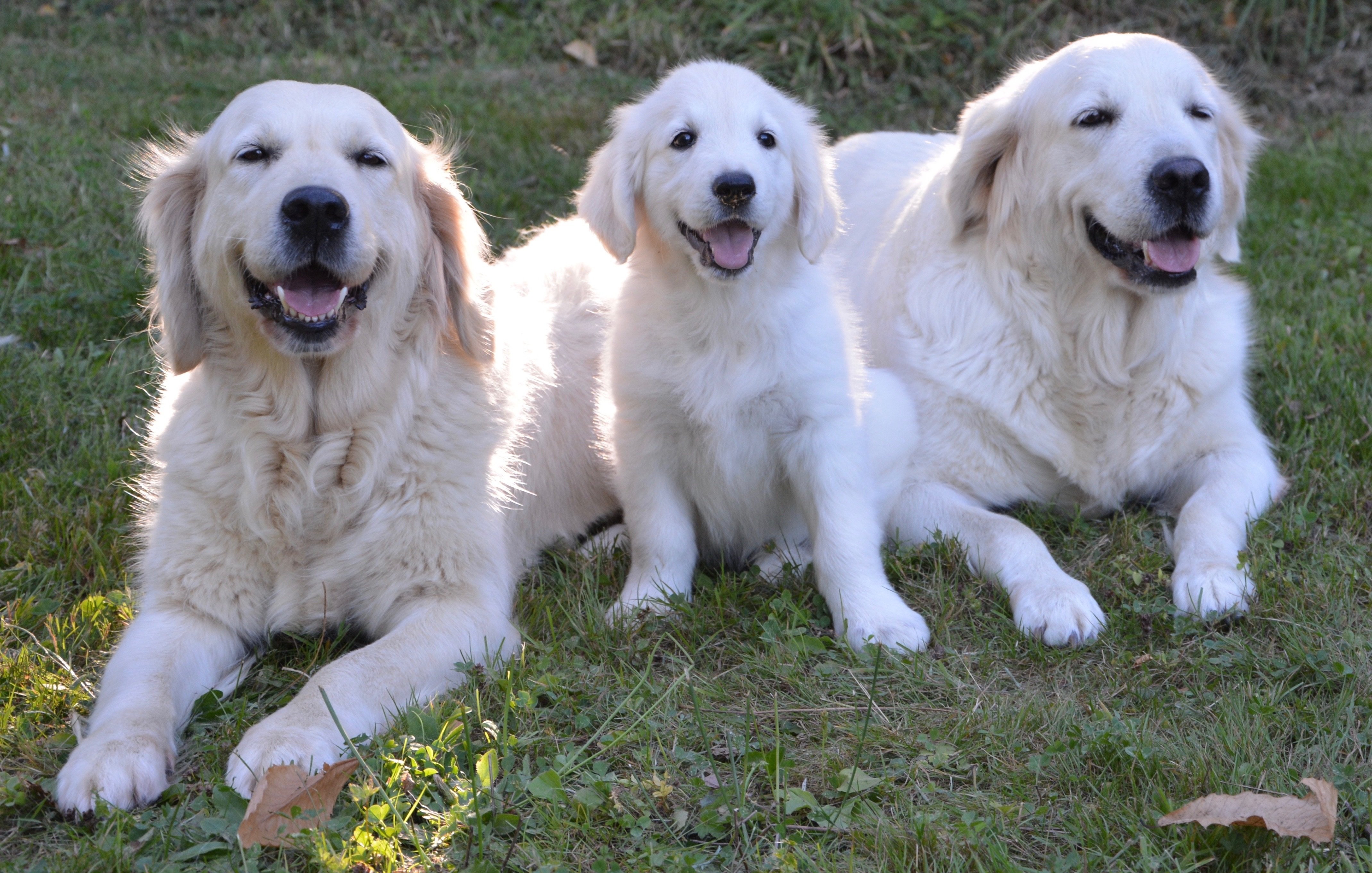
Training a guide dog is an incredible process that transforms carefully selected puppies into life-changing companions for people with visual impairments. However, not every dog that begins guide dog training ultimately graduates from the guide dog training program. While temperament, health, socialization, and environment all play major roles, researchers are now discovering that part of a dog’s success may already be written into their DNA.
In this article, we look at how a growing body of research on guide dog DNA is helping scientists better understand why some dogs thrive in guide dog training while others struggle, and how these findings could eventually improve breeding programs and increase training success rates for these highly capable and clever working dogs.
There are many different roles for working dogs, yet guide dog training is one of the most demanding forms of canine education. These dogs are expected to remain calm under pressure, confidently navigate crowded environments, ignore distractions, and make intelligent decisions that prioritize their handler’s safety.
Not every dog is naturally suited to these responsibilities. Even dogs that are friendly, obedient, and intelligent may find the emotional and mental demands of guide work difficult. Guide dogs must demonstrate a wide range of qualities, such as high trainability, problem-solving abilities, and strong focus and impulse control. They also have to have low reactivity to stress, confidence in unfamiliar environments, emotional stability, and consistent social behavior!
Training organizations invest significant time and money into raising and evaluating future guide dogs. In many cases, puppies begin socialization and learning at a very young age, before entering formal guide dog training programs later in their development. Despite careful preparation, a considerable number of dogs don’t complete training successfully, and researchers have long sought to understand why.
Recent studies suggest that genetics may influence many of the behavioral traits needed for guide dog training success. Scientists studying guide dog DNA have identified certain genetic markers that appear to correlate with desirable working-dog characteristics.
These markers are linked to traits including stress resilience, sociability, attention and focus, emotional regulation, fear response, and adaptability. Researchers believe that inherited behavioral tendencies may partially explain why some dogs are naturally better equipped for guide work than others. And for guide dog organizations, these discoveries could eventually help improve breeding strategies by identifying dogs with stronger potential for success earlier in life.
It doesn’t, however, mean that guide dogs are simply “born successful,” as training, socialization, environment, and health remain critically important. However, genetics may provide a valuable foundation that affects how easily a dog can learn and adapt throughout the training process.
It takes high costs and resources to run a guide dog program, and it is very demanding. Raising and training a single guide dog can cost tens of thousands of dollars, with years of work invested before placement with a handler. When a dog does not complete training, organizations have to redirect resources while continuing to meet the growing demand for guide dogs.
Improving success rates could help more people receive guide dogs while reducing the emotional and financial strain on training programs. The research may also improve the well-being of the dogs themselves. Some dogs that struggle in guide dog training may simply not be genetically suited to the role. Identifying this earlier could allow them to transition into more suitable careers or family homes without prolonged stress.
Understanding how dog DNA can affect suitability for guide dog training could eventually help improve breeding decisions for potential guide dog puppies and help breeders identify promising puppies earlier. It can also help guide dog trainers to personalize training approaches and reduce the number of withdrawals from programs.
Although the research surrounding guide dog DNA is exciting, genetics is only one factor in a dog’s development. Human input still plays a significant part, and early socialization remains essential for training guide dogs. Puppies exposed to positive experiences, varied environments, and structured learning opportunities are more likely to develop confidence and adaptability.
Training methods also have a major influence. Positive reinforcement training, consistency, and experienced handlers all contribute to successful guide dog outcomes. Health is another critical consideration. Responsible breeders will screen dogs for potential genetic health issues, as the risk of developing health issues such as orthopedic problems, vision issues, or other medical conditions can mean a puppy is unsuitable to work as a guide dog.
As canine genetics research continues to evolve, guide dog organizations may start to use increasingly advanced tools to support breeding and training decisions. Future applications could include genetic screening for behavioral traits, more targeted breeding programs, earlier identification of suitable working dogs, and customized training based on temperament profiles.
However, experts also caution against relying too heavily on genetics alone. Dogs are complex individuals, and behavior cannot be predicted with complete certainty through DNA testing. There is much skill required in being able to select and train suitable puppies to grow up into working roles such as guide dogs.
The importance of maintaining ethical breeding practices and preserving genetic diversity within guide dog populations is also paramount. The aim is to improve understanding, not reduce dogs to genetic scores or eliminate the importance of training and the bond between dogs and humans.
The growing research into guide dog DNA highlights just how complex and remarkable the breeding, selection, and training of working dogs truly is. These animals perform highly specialized tasks that require intelligence, emotional balance, adaptability, and trust. Genetic findings may eventually help more dogs succeed in training while ensuring better outcomes for both handlers and guide dog programs.
For the many people who rely on guide dogs for independence and mobility, every successful partnership represents years of dedication, science, training, and care. Ultimately, guide dog success results from a combination of nature and nurture, and although genetics may provide the blueprint, environment and training shape how those traits develop over time in these wonderful and clever working dogs!
25 June, 2026