
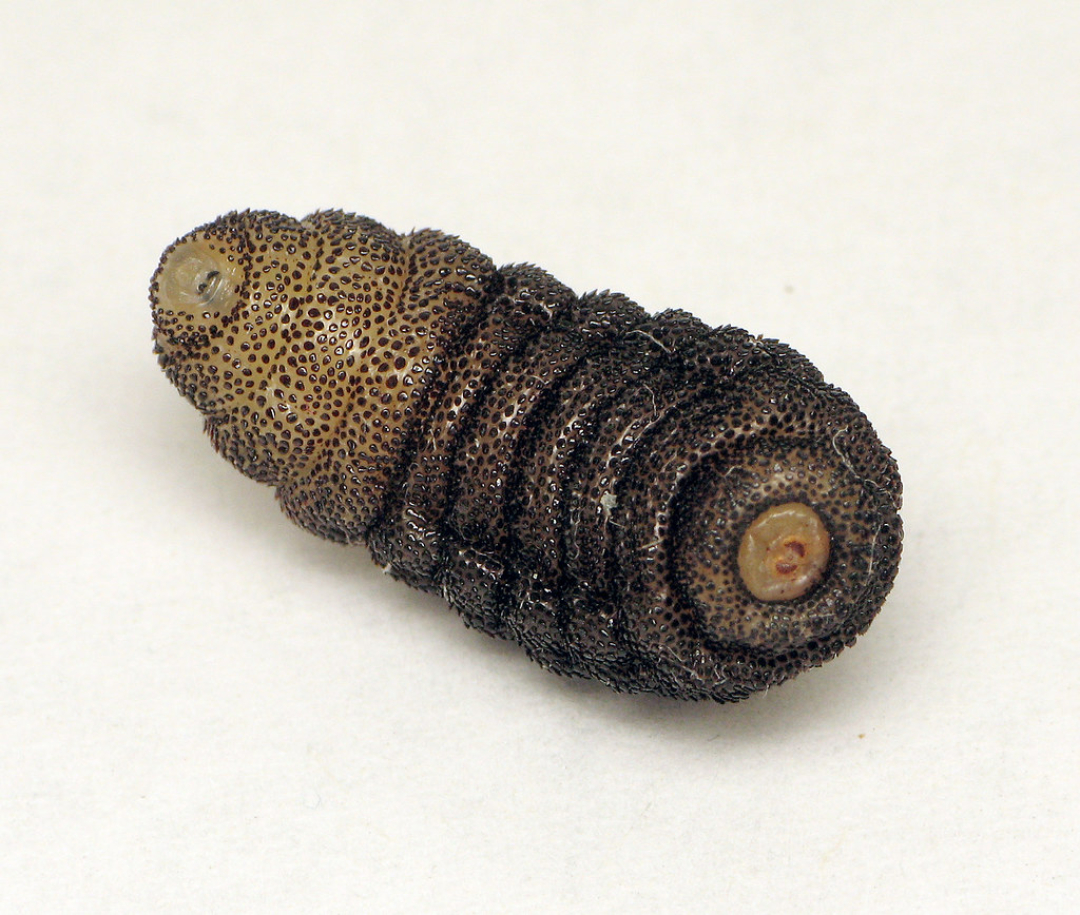
Discovering a strange lump on your dog's skin can be alarming, especially if it has a small hole in the center. While there are many reasons dogs develop bumps or cysts, one possibility that surprises many pet owners is a botfly larva, also known as a Cuterebra or a warble. Although botfly infestations aren't common in most household pets, they do occur throughout much of the United States, particularly during the warmer months.
In this article, we take a look at how dogs get botflies, what the signs look like, and why prompt veterinary treatment is important.
Botflies are large, bee-like flies whose larvae develop inside mammals. In North America, the species that most commonly affects dogs belongs to the genus Cuterebra. Unlike fleas or ticks, botflies don't feed on your dog or live permanently on their body. Instead, the immature larvae temporarily develop beneath the skin before eventually leaving to continue their life cycle in the soil.
Rabbits and rodents are the natural hosts for Cuterebra larvae. Dogs aren't the intended target, but curious pups often find themselves in the wrong place at the wrong time.
Contrary to what many people assume, botflies don't land on dogs and lay eggs directly on their fur. Instead, female botflies deposit their eggs on vegetation, leaves, twigs, or around the entrances to rabbit burrows and rodent nests. When a warm-blooded animal brushes past these eggs, the warmth triggers them to hatch.
If your dog is exploring tall grass, sniffing around rabbit holes, or chasing small wildlife, a newly hatched larva can attach to the fur and migrate into the body through the nose, mouth, a small wound, or occasionally through a hair follicle. Once inside, it travels beneath the skin until it reaches a suitable location to develop.
Because of this life cycle, hunting dogs, sporting breeds, and adventurous dogs that spend time hiking, camping, or exploring wooded areas are at higher risk of exposure than dogs that spend most of their time indoors or on city sidewalks.
Cuterebra species are found throughout much of North America, including many parts of the United States and southern Canada. Cases tend to peak during late summer and early fall, although the exact timing depends on the local climate and the botfly species in the area. Dogs living in rural environments or homes with abundant wildlife nearby are generally at greater risk than those in urban neighborhoods.
The most recognizable sign is a firm lump beneath the skin with a small circular opening in the center. This tiny hole allows the developing larva to breathe. At first glance, the lump may resemble a cyst, insect bite, puncture wound, swollen tick bite, or skin abscess.
As the larva grows, the swelling often becomes more noticeable. Some dogs show little discomfort, while others repeatedly lick, scratch, or chew at the area because it feels irritating or painful. The swelling most commonly appears around the head, neck, shoulders, or chest, although it can occur almost anywhere on the body.
Any unexplained lump deserves a closer look, especially if it develops suddenly or has a small hole in the center. While many skin lumps turn out to be harmless cysts or insect bites, only a veterinarian can accurately diagnose a botfly and remove it safely.
Depending on where the larva migrates, dogs may experience additional symptoms. These can include swelling under the skin, a draining wound with clear or bloody discharge, hair loss around the lump, excessive licking or scratching, or pain when the area is touched.
In uncommon cases, larvae migrate to areas other than the skin. If they travel through the nasal passages or respiratory tract, dogs may develop sneezing, coughing, or nasal discharge. Even more rarely, larvae can migrate into the eyes or nervous system, creating serious medical emergencies. Fortunately, these complications are uncommon, but they highlight why any suspicious skin lump deserves veterinary attention.
If you find a breathing hole or lump, don’t try to remove the larva yourself but instead seek veterinarian advice. Veterinarians have specialized techniques and sterile instruments to safely enlarge the opening if necessary and remove the entire larva intact while minimizing pain and complications. They will also determine whether antibiotics, pain medication, or additional wound care are needed afterward.
In most healthy dogs, botfly wounds heal within 1 to 2 weeks when treated, although larger warbles may take slightly longer. Following your veterinarian's advice, which will likely include keeping the area clean and preventing your dog from licking the wound, helps to support uncomplicated healing. Your veterinarian may recommend a collar or cone if your dog won't leave the area alone.
Because dogs become infected while exploring environments where botflies naturally occur, complete prevention isn't always possible. However, there are ways to reduce the risk. During late summer and early fall, try to keep your dog away from rabbit burrows, rodent nests, and areas with dense, overgrown vegetation where wildlife is active.
Regular grooming also helps. Running your hands over your dog's body after hikes or outdoor adventures makes it easier to spot unusual lumps before they become larger. Routine flea and tick preventatives are important for overall parasite control, but they generally don't prevent Cuterebra infestations because of the botfly's unique life cycle.
Botflies may look unsettling, but most dogs recover quickly when treated promptly by a veterinarian. Although these parasites are accidental visitors rather than permanent pests, they can cause significant discomfort if left untreated.
If your adventurous dog enjoys exploring fields, forests, or areas frequented by rabbits and rodents, it's worth checking their skin regularly during botfly season. Catching a warble early allows your veterinarian to remove it safely before complications develop, helping your dog get back to doing what they love most, enjoying the outdoors by your side.
14 January, 2023