
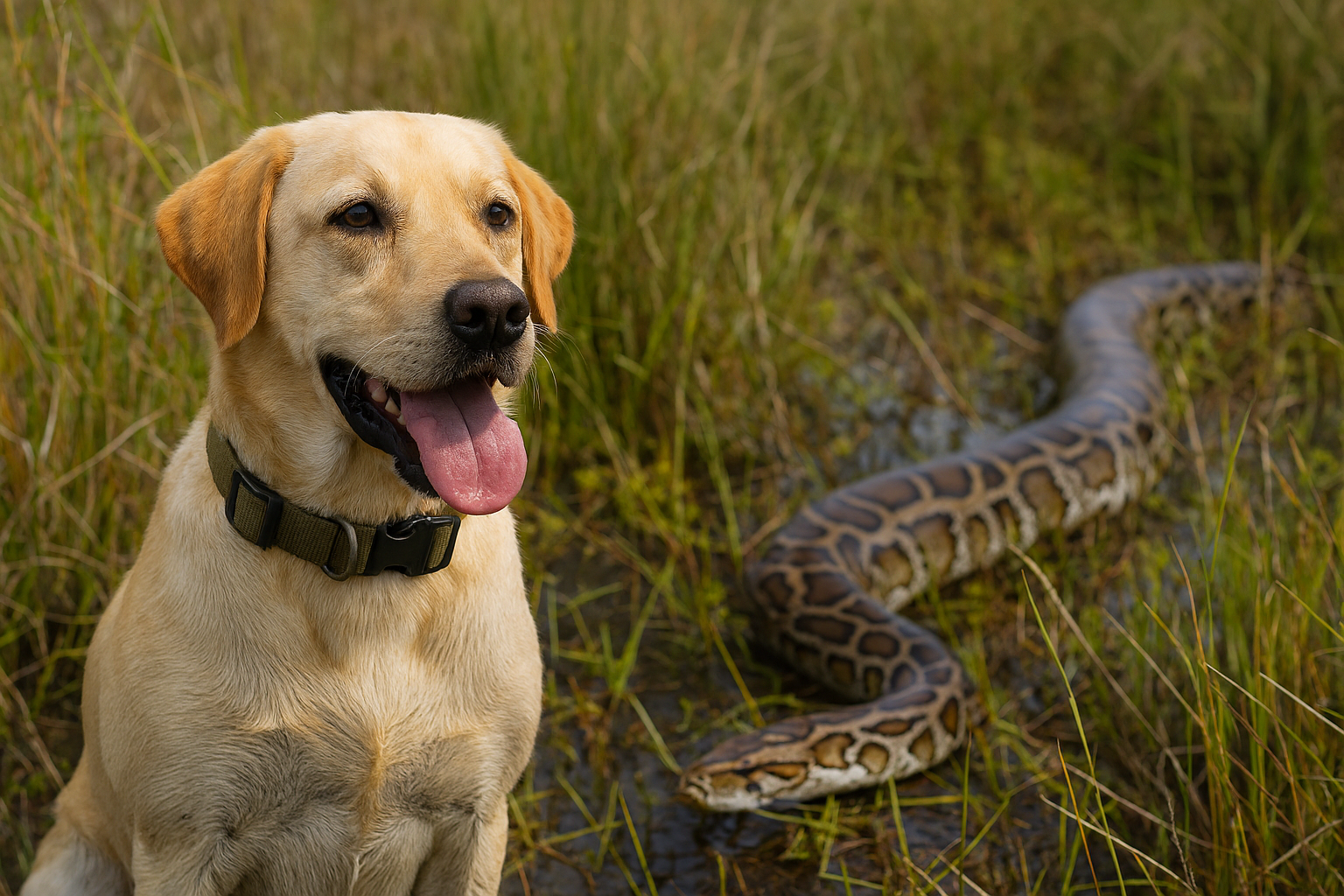
As a dog owner or dog lover, you might be surprised to find out that across the United States, dogs are supporting conservation efforts. Conservationists are turning to this unexpected yet highly effective partner to help protect wildlife and ecosystems. And with their amazing abilities, like their sense of smell combined with their intelligence and keen work ethic, it’s really not that surprising. Dogs can help with conservation efforts that include tracking endangered species to detecting invasive plants, helping scientists gather data more accurately and efficiently.
As environmental challenges grow more complex, the demand for new dogs trained specifically for conservation work continues to rise. These amazing dogs' contributions are impressive and essential to preserving the natural heritage of the US.
Dogs have an amazing sense of smell; they possess an olfactory system that is far more powerful than that of humans. Dogs can have up to 300 million scent receptors compared to humans who have about six million. This allows them to detect minute traces of scent across vast and varied landscapes, including forests, wetlands, deserts, and mountainous regions.
In conservation efforts, a dog's sense of smell is invaluable. Dogs can locate animals that are rarely seen, track movement patterns without disturbing habitats, and find biological samples such as scat, feathers, or carcasses. These non-invasive methods reduce stress on wildlife while still providing researchers with crucial data.
Working dogs are also highly intelligent, adaptable, and trainable. They can work in diverse climates and terrains, making them ideal partners for conservation teams operating across different regions of the US. Working dogs can develop amazing bonds with their trainers, working closely together on their tasks.
One of the most impactful ways specially trained dogs support conservation efforts is by helping track endangered and elusive species. Animals such as gray wolves, Florida panthers, kit foxes, and desert tortoises are difficult to monitor using traditional methods like camera traps or visual surveys, and working dogs can be great at tracking these species.
The dogs are able to identify the unique scent of a particular species and alert their handler when they find evidence. For example, dogs can locate wolf scat across large territories by their incredible sense of smell. This enables researchers to analyze the wolves' DNA, diet, and the health of the population without ever encountering the animal directly. This helps keep the researchers from disturbing the native species.
Using trained conservation dogs means the conservationists can save time, reduce costs, and improve accuracy. It also enables them to make informed decisions about habitat protection, wildlife corridors, and species recovery plans.
Dogs can help support conservation efforts by helping to detect invasive species that pose a serious threat to native ecosystems throughout the United States. This could be plants, insects, and animals that are introduced either intentionally or accidentally, that outcompete native species and disrupt ecological balance.
Specially trained dogs can be used to detect invasive species at early stages, when intervention is most effective. Dogs have been trained to locate invasive plants like spotted knapweed or animals such as zebra mussels and brown tree snakes. At ports, parks, and protected areas, dogs help conservation teams identify problem species before they spread.
Another growing area in which dogs support conservation efforts involves disease detection. Wildlife diseases such as chronic wasting disease in deer or avian influenza in bird populations can have devastating consequences if not identified early. Dogs can be trained to detect disease-related scents in biological samples, allowing for faster and more targeted responses. Some programs also train dogs to find environmental threats such as illegal pesticides, contaminated water sources, or poached animals.
Poaching and illegal wildlife trafficking remain significant challenges in conservation across the US. K9 units assist with conservation efforts by working with park rangers and wildlife officers in enforcing environmental laws. These dogs can track poachers, locate illegal traps, and detect smuggled wildlife products such as feathers or animal hides.
The presence of these trained dogs alone can act as a deterrent, reducing illegal activity in protected areas. In this role, conservation dogs help ensure that laws designed to protect wildlife are effectively enforced, strengthening overall conservation efforts nationwide.
The process of preparing new dogs trained for conservation work is both rigorous and rewarding. Many conservation dogs come from shelters, rescues, or working-dog breeding programs. Dogs that are able to support conservation efforts usually have high energy, curiosity, focus, and a strong play drive. Handlers also need to have a unique set of skills and undergo extensive training, as successful conservation work depends on strong communication and trust between dog and human.
Training typically begins with basic obedience and progresses to scent discrimination, search techniques, and fieldwork simulations. Dogs learn to associate specific scents with rewards, usually in the form of toys or play, which keeps them motivated and engaged.
Several organizations across the United States specialize in training and deploying conservation dogs. These groups work with federal agencies, state wildlife departments, universities, and nonprofits to support conservation efforts at every level.
Their projects range from protecting national parks to assisting local land managers and Indigenous communities. As awareness grows, more funding and public support are being directed toward expanding these programs and training additional dogs.
Dogs are an amazing support for conservation efforts across the United States. They work well with their trainers, as they are intelligent and easily trainable and have keen senses. They are able to support wildlife research, combat invasive species, detect environmental threats, and enforce conservation laws due to their dedication and abilities.
They are also amazingly adaptable as conservation challenges continue to evolve, specially trained dogs will remain an essential force in safeguarding America’s wildlife and ecosystems in the future.
25 February, 2026