
Whether you’re managing a small home-based breeding program or operating a larger facility, having a good design makes all the difference. Designing comfortable and efficient breeding kennels is one of the best investments a responsible, ethical breeder can make.
Having a well-designed kennel setup will support the health and happiness of your dogs, providing both physical and mental enrichment. With well-designed dog kennels for breeding, you see daily tasks simplified, and this will help you maintain a professional, USDA-compliant facility. From good ventilation and airflow to easy-to-clean flooring and outdoor exercise areas, every element impacts your dogs’ safety, hygiene, and comfort.
This guide will walk you through the essential considerations for designing your dog kennels for breeding, including layout planning, climate control, and tips for setting up outdoor dog breeding kennels suited to US conditions.
As a responsible and ethical breeder, you will know that your breeding kennels are an essential aspect of your breeding business, not just housing units. Your breeding kennel is a specialized space designed to meet the needs of dogs throughout their reproductive cycles.
An excellent design should balance animal welfare, sanitation, and efficient workflow. In the U.S., professional breeders often follow guidelines from the U.S. Department of Agriculture (USDA) and American Kennel Club (AKC) to maintain humane, safe, and compliant facilities.
A good breeding kennel should offer comfort and safety. Your dogs need space to move freely, rest comfortably, and be protected from the elements. It should support good hygiene and health by using suitable materials and the right layout to help prevent disease and make cleaning easier. Your kennels should have a logical flow to them between areas for whelping, feeding, isolation, and cleaning. This will help save you time and labor.
Start by mapping out how dogs, staff, and equipment will move through the space daily. Use zones for function and safety. By using separate zones, you will keep your operation organized and reduce stress for the dogs. Common zones include stud dog runs with individual, secure areas to prevent fighting or accidental breeding. Then breeding female quarters, which are comfortable, private spaces for females in heat or pregnant dogs.
You will also want to have a whelping room, which is a quiet and temperature-controlled room for birthing and nursing where the whelping box is placed. You should also have a puppy pen area where young puppies can play, socialize, and develop. You might also want to have a puppy meeting room as a space for potential new owners to come and meet the puppies and their parents. You can use dividers or gates to section off areas if you have a smaller kennel.
The kennel size should be based on breed and number of dogs. Larger breeds like Golden Retrievers or German Shepherds need bigger runs, while smaller breeds require less space.
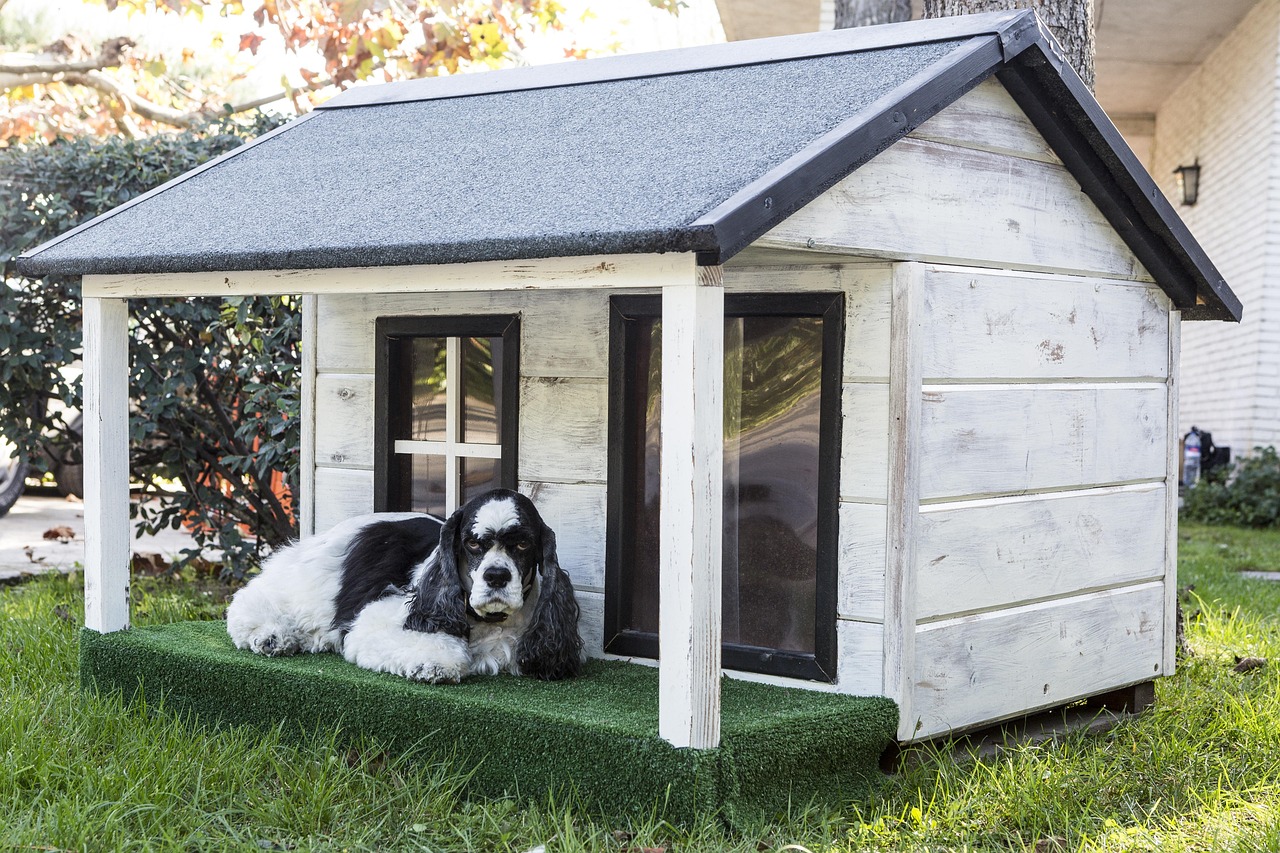
The recommended requirements for outdoor dog breeding kennels from the AKC are at least 100 square feet per dog for outdoor runs. A covered shade area for protection from the elements and access to indoor housing for temperature control and safety.
Your layout should be designed for easy cleaning and feeding routines. You should consider central walkways for quick access to each kennel, separate cleaning areas to prevent cross-contamination, and storage areas for food, bedding, and supplies.
The materials you select should be good for hygiene, comfort, and longevity, such as being non-slip and waterproof, easy to sanitize, and slightly sloped for drainage. Epoxy-coated concrete is a popular choice as it’s durable, smooth, and bacteria-resistant. Raised rubber mats in sleeping areas can be comfortable for the puppies. Walls should also be flat, non-porous, and washable. PVC panels or fiberglass-reinforced panels are ideal. Dividers can be half-solid for privacy and half-mesh for airflow.
For indoor or outdoor setups, roofing must keep your dogs and puppies safe and dry. Protected from the elements and able to adapt to regional weather and changes throughout the year. In some locations, insulation and heating are crucial. In others, reflective metal roofing and ventilation fans help prevent heat buildup.
Good airflow prevents odor buildup and keeps the environment healthy. Use mechanical ventilation systems or install vents and windows to promote natural cross-breezes. Consider dehumidifiers to reduce moisture, or evaporative cooling systems, which can help maintain comfort. Use air conditioning or cooling fans for comfort and to maintain consistent indoor temperatures of 68–75°F with radiant floor heating or infrared heat lamps in whelping areas.
Natural light is ideal for canine well-being. Install skylights or large windows where possible. Complement with LED lights that simulate daylight for consistent brightness throughout the year.
Whelping boxes or rooms should have washable walls and drainable floors, be warm and draft-free, and offer easy access for monitoring without disturbing the mother. Soundproofing helps reduce noise and stress during delivery. After about three to four weeks, puppies can move into larger play areas. Include separate spaces for eating, sleeping, and potty training to support early behavioral development.
For hygiene and sanitisation, install floor drains for hose-down cleaning, use industrial-grade disinfectants approved for animal facilities, and provide hand-washing stations between zones. Store cleaning supplies safely away from dogs and food. Daily spot cleaning and scheduled deep sanitation help prevent diseases like parvovirus and kennel cough. Good hygiene and sanitisation will be essential for your licensing.
Designing breeding kennels for your puppy breeding business requires a balance of comfort, cleanliness, and compliance. Every decision from floor choice to ventilation affects the health and happiness of your dogs. Well-designed dog breeding kennels will keep your dogs safe and happy all year-round, simplify daily routines and cleaning, meet USDA and local animal care standards, and promote a calm, stress-free environment for breeding success.
Whether you’re starting from scratch or renovating an existing facility, thoughtful design turns your dog kennels for breeding into a space where both dogs and breeders thrive.
24 December, 2025