
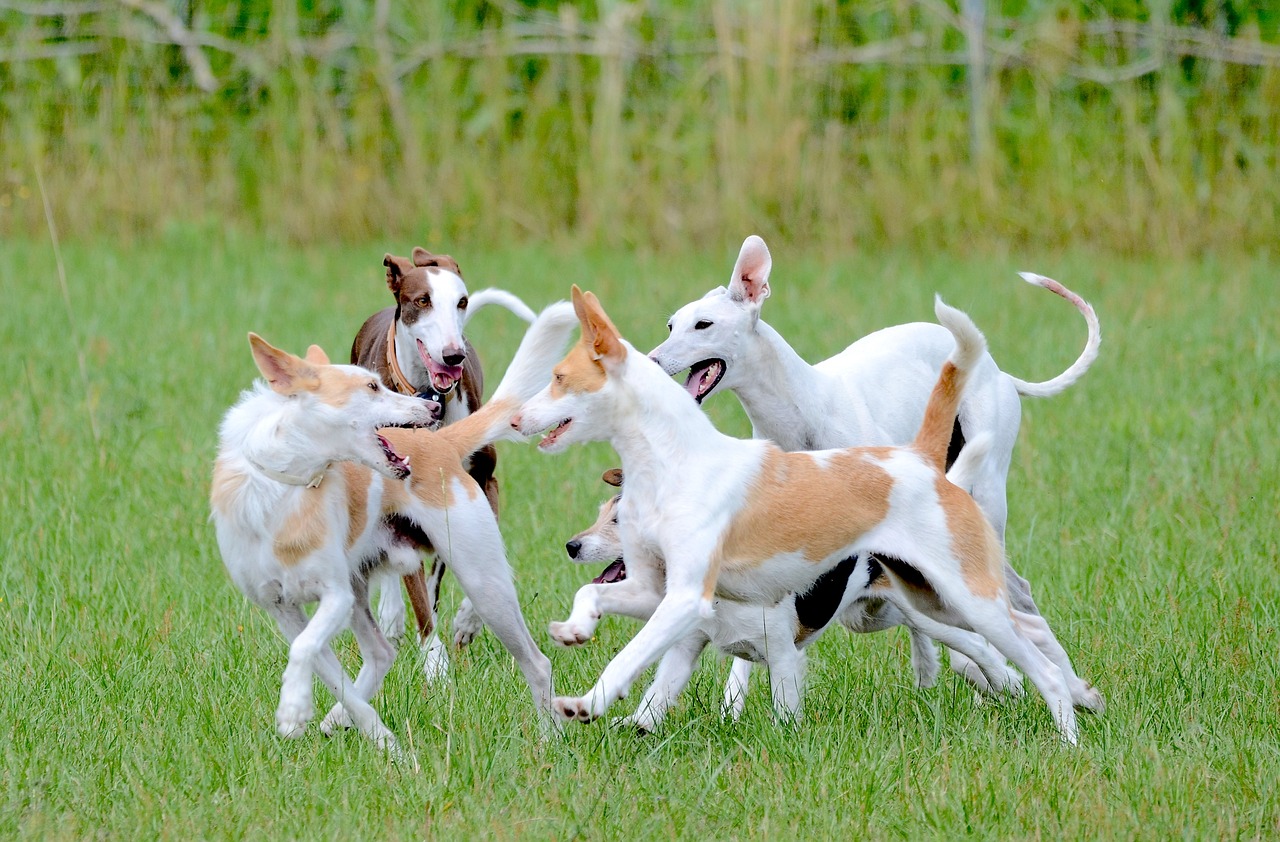
As a responsible and ethical puppy breeder, you will be aware that early socialization is critical for raising healthy and happy puppies that are ready to go to their new homes from about 8 weeks of age. New puppy owners should be educated on how to continue raising well-adjusted puppies that learn how to interact with people, other animals, and their environment during the first few weeks and months of life.
This early socialization in puppies can shape their behavior for years to come. For puppy breeders, understanding and implementing best practices for early socialization is a commitment to the lifelong welfare of the puppies they produce.
Puppies have a key period of time, roughly from three to 14 weeks of age, when their brains are highly adaptable. At this stage, they are learning to process new sights, sounds, smells, and experiences. Puppy socialization is a critical responsibility for breeders who care about the long-term welfare of their puppies. This involves introducing the puppy to a variety of people, animals, experiences, and places.
Puppies exposed to a variety of experiences in a controlled, positive way are less likely to experience fear and subsequently develop phobias or anxiety disorders later. Puppies that learn appropriate interactions with humans, other dogs, and new environments are more likely to exhibit confident and well-mannered behavior. This will make walks much more pleasant, for example.
Socialized puppies are easier to train because they are less reactive and more adaptable to new situations, which benefits both the dog and their future owners. A puppy that has been well socialised will have much less chance of developing aggression, fearfulness, and difficulty adapting to new experiences.
Puppy socialization is a gradual, progressive process so that the puppies do not become overwhelmed with too many new experiences at once. Structured socialization plans usually start small, introducing one new stimulus at a time, and gradually increase in complexity and variety. The goal is to introduce consistent, positive exposure without stress, allowing puppies to develop confidence at their own pace.
You might want to start with gentle handling and exposure to littermates and breeder household environments at 3-4 weeks of age. Then you can introduce the puppies to vaccinated dogs, basic sounds, and new people in weeks 5-6. Then, at week 7–8, you can introduce short supervised outings, new surfaces, and additional gentle handling.
Responsible and ethical breeders develop structured plans tailored to each litter, balancing exposure with safety. Here are the key components. First of all, puppies should interact with a variety of people from an early age. This includes men, women, children, and individuals of different ages and appearances. Positive handling, stroking, and calm interactions will all help puppies associate humans with comfort and safety. For breeders, this means scheduling regular visits or supervised handling sessions to introduce the puppies to new people consistently. A puppy meeting room can be helpful for this.
Interactions with littermates are natural and crucial, but puppies also benefit from meeting other dogs in safe, controlled environments. You will need to be careful when introducing puppies to other dogs and ensure that they are vaccinated and friendly. This will help teach bite inhibition, proper play behavior, and social cues that are essential for future interactions. Breeders should supervise these interactions to ensure positive experiences and prevent fear or aggression from developing.
Puppies must learn to navigate the world around them. This includes household sounds like vacuum cleaners, washing machines, doorbells, and environmental stimuli such as traffic, outdoor spaces, and different surfaces (carpet, tile, grass). Controlled exposure to these experiences helps puppies become adaptable and confident. Simple exercises, like short walks outside or supervised visits to new rooms, can build resilience.
Socialization should always be paired with positive reinforcement. Using treats, praise, and gentle encouragement ensures that puppies associate new experiences with positive outcomes. Handling exercises — touching paws, ears, and tails — prepare puppies for future grooming, veterinary visits, and routine care. This also sets the stage for puppy socialization programs and early training exercises once the puppy goes to its new home.
Early socialization can naturally be integrated with obedience training, such as name recognition, basic commands like “come,” “sit,” or “gentle,” and crate and handling comfort. Positive behaviors should be rewarded with treats and praise, which lay the foundation for formal training later. This early training, combined with socialization, ensures puppies are not only confident but also responsive and well-prepared for their new homes.
Early socialization is a shared responsibility between responsible breeders and new owners who are educated in puppy care. Responsible breeders provide guidance and resources for continuing socialization after the puppy leaves. You should provide new puppy owners with the current socialization schedules and tips for safely introducing the puppy to new environments when they are home.
It’s also a good idea to recommend puppy classes and structured puppy socialization programs. You can also provide guidance on positive reinforcement training and safe exposure to new experiences. By collaborating with future owners, breeders extend the benefits of early socialization beyond the first eight weeks of life, ensuring puppies continue to develop into well-adjusted adult dogs.
While socialization is essential, safety is paramount. Puppies’ immune systems are not fully developed until after their vaccination series. Good breeders will carefully manage exposure to prevent disease. You can do so by ensuring that all dogs interacting with the puppies are fully vaccinated. You should also avoid high-risk areas with unknown dogs until puppies are fully immunized. It goes without saying, but you should be regularly cleaning and sanitizing play areas, toys, and equipment to prevent the spread of illness. Responsible breeders balance exposure with protection, ensuring puppies grow confident without compromising health.
Early and well-planned socialization is essential for raising healthy, confident, and well-behaved dogs. For responsible breeders, structured, positive, and safe socialization practices are essential, and puppies should be exposed to a variety of humans, dogs, environments, and experiences, with positive reinforcement through treats and praise.
This ensures that puppies are confident and happy, ready for their new homes, and continue with socialization training and build strong bonds with their new family.
21 January, 2026