
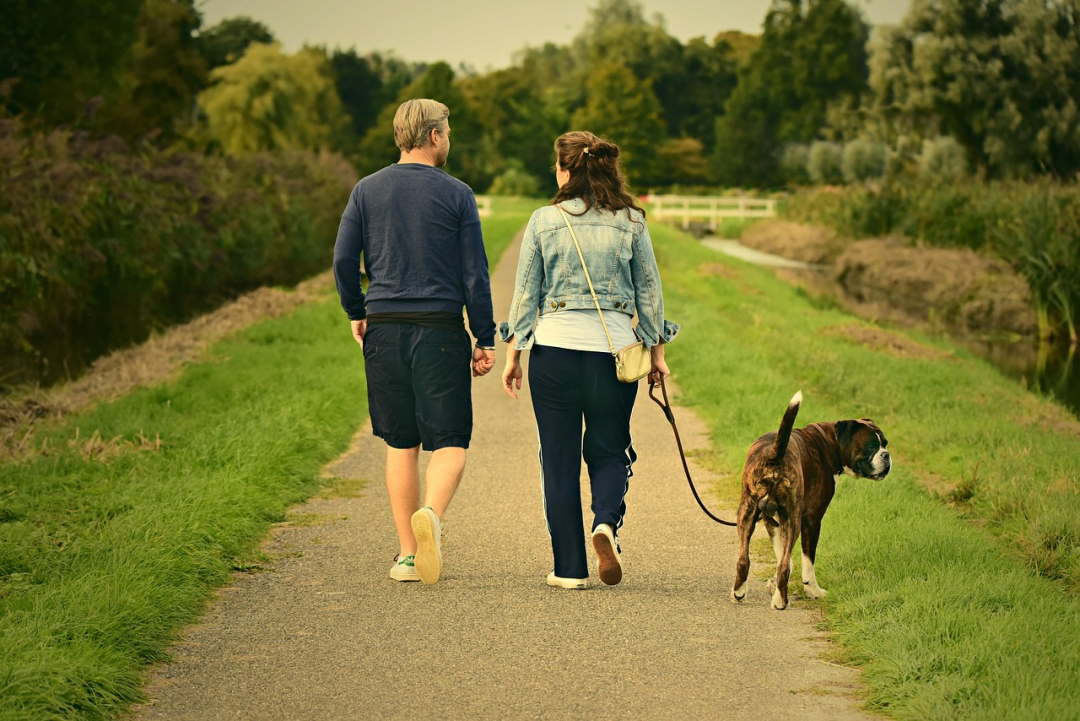
Dog walking is an important part of keeping a dog; it’s a time to bond with your dog, share in exercise together, do some obedience training, physical and mental enrichment, and, for many dog owners, one of the best parts of their day. One thing that you might not think about is what you wear on your dog walk, and have you considered if the clothes you wear could actually improve your dog’s behavior on walks?
According to certified animal behavioral trainers, the colors you wear during dog walking might influence your dog’s reactions. The color of the clothes you wear can even affect how other dogs respond to you. So your dog walking clothing could be playing a bigger role in your dog's behavior on dog walking adventures.
In this article, we take a look at how colors affect canine behavior, reveal the best colors to wear on a dog walk, and explain how the colors you wear can improve your overall dog walking experience.
Dogs see the world differently from humans. While humans are trichromatic, which means they can see three color channels: red, blue, and green, while dogs are dichromatic, meaning they see mainly shades of blue and yellow, with reds and greens appearing as gray or brown.
A dog's unique vision means that they can see color very differently from us, and this contrast becomes especially important for dogs. You might see a bright, vivid outfit, but it could blend into the background for your dog. The wrong color could even cause unexpected behavior if it’s perceived as unfamiliar or threatening.
Ever wondered why your dog can’t see you in a bright outfit from across the field? It might even be the color you're wearing!
When you understand this, it will help you make smart choices about what you wear on dog walks. You can choose colors that are easier for your dog to see and recognize, and can create a sense of calm, familiarity, and trust. The right clothes can help reduce unwanted behaviors like pulling, barking, or fear responses.
The best colors to wear when dog walking, based on research on dog vision and on the thoughts of dog behavioral specialists and anecdotal findings, are blue and yellow. Wearing these colors can help dogs behave better during dog walks. Let’s take a look at why these two colors are so helpful when dog walking.
One of the most visible and distinguishable colors for dogs is the color blue. As dogs can clearly perceive blue tones, wearing blue clothing can make you more recognizable and reassuring to your dog, especially in parks, sidewalks, or trails, when these environments can be distracting.
If your dog feels more comfortable, then you might find working with your dog at obedience training with greater ease, as you'll be clearly visible, which helps create a safe and calm environment for training and dog walking. It can reduce anxiety in reactive or nervous dogs and make recall and command training easier for your dog to follow.
You might want to consider a blue hoodie, jacket, walking vest, cap, or bandana with navy blue reflective clothes for dog walks in the dark.
When dog walking, you might want to try wearing yellow, as it's another color that dogs can see well. It is a color associated with caution and sensitivity in both the human and dog worlds. Think of yellow high-vis jackets and yellow jackets for dogs as well. Especially working dogs or support dogs.
Wearing yellow shows your dog that you’re in control, that you're alert, and can induce confidence in you by other people and with your dog as well. It can be helpful for dogs that are reactive or recovering from trauma.
When dog walking, yellow clothing can encourage calm from your dog by reinforcing a leadership presence, help you stand out from the crowd, and can also deter other dogs or people from approaching, which can be helpful with nervous or reactive dogs...
You could wear a yellow windbreaker, a yellow cap or hat, an armband, or a dog walking vest or reflective gear when it’s dark or lower visibility on your dog walk.
Some colors may have a negative effect on your dog's walking experience. Dogs can’t see red and green well, so these colors might appear muddy or indistinct. They could be interpreted as unfamiliar objects, and in some dogs, this might trigger nervousness, caution, or anxiety.
Dark colors like black or deep gray can be intimidating to dogs, especially in low light. You might have noticed that your dog is uneasy around strangers wearing dark hoodies or coats, and this might be partially due to color perception.
Dog walking is more than just a routine; it’s time to bond with your dog, provide both physical and mental enrichment, and strengthen your relationship through shared activity and training.
You might be surprised to know that what you wear on your dog walk may also impact your dog’s behavior. You might want your dog to wear a similar color to you to promote calm behavior and reinforce recognition.
Certified dog trainers and behaviorists suggest that the colors of your clothing can influence how dogs respond to you. And wearing certain colors, like blue and yellow in particular, might help create a calmer, more positive walking experience. These colors offer visual cues that may promote a more relaxed and focused environment for your dog.
You could try just a blue or yellow coat, cap, or high-vis jacket. These colors might help your dog stay more focused on walks and when training, improve recall, reduce nervousness in anxious dogs, and help you stand out clearly so your dog can spot you if you end up separated. So next time you head off for a dog walk, try wearing a blue jacket and a yellow hat and see what happens!
12 November, 2025