
Choosing your new puppy is an exciting time, and puppy breeders will be looking for great new homes for the puppies they have produced. Selling puppies often involves connecting with families who may not live locally. These distances can leave both buyers and sellers wondering about shipping dogs. Is it safe to ship the dogs you sell? Are you allowed to ship the dogs you sell, and is it ethical?
The answer is that yes, shipping dogs can be safe when done correctly, legally, and responsibly.
Ensuring the puppy's safety requires choosing reputable transportation methods, following federal and airline guidelines, prioritizing the dog’s comfort, and being transparent with buyers throughout the process.
In this article, we will cover shipping dogs to another state, shipping dogs by air, and using professional pet-transport services, examining the risks, benefits, and best practices involved. We will also take a look at everything you need to know before shipping a puppy to a new home across the country.
Shipping dogs, especially puppies, has long been a common practice in the U.S. When done responsibly, it can be a safe and humane way to help your puppies reach loving families in other regions. Safety largely depends on the age and health of the puppy, the transportation method, the company and personnel handling the dog, their compliance with regulations, and the preparation before shipping.
When these aspects are handled correctly, puppies typically travel without complications. Most issues happen when sellers use unregulated pet movers, ship too-young puppies, or fail to meet USDA and airline requirements. By using regulated pet shipping companies, you can be much surer of a safe journey for your puppy.
Before shipping dogs to another state, learn the laws and regulations specific to the federal and state levels. There are age requirements on airlines, and USDA guidelines generally require puppies to be at least 8 weeks old, fully weaned, and healthy before being shipped. Some airlines require 10 to 12 weeks for some breeds.
Interstate transport of dogs almost always requires a Certificate of Veterinary Inspection (CVI). This certificate confirms the puppy is vaccinated, healthy, and fit for travel. They should also have their vaccinations. States vary, but most require a current health exam, age-appropriate vaccines, and a rabies vaccine for puppies older than 12 weeks.
If you sell puppies sight-unseen and ship them, you may fall under USDA breeder licensing requirements. Ensure you follow all legal guidelines to protect yourself and your buyers.
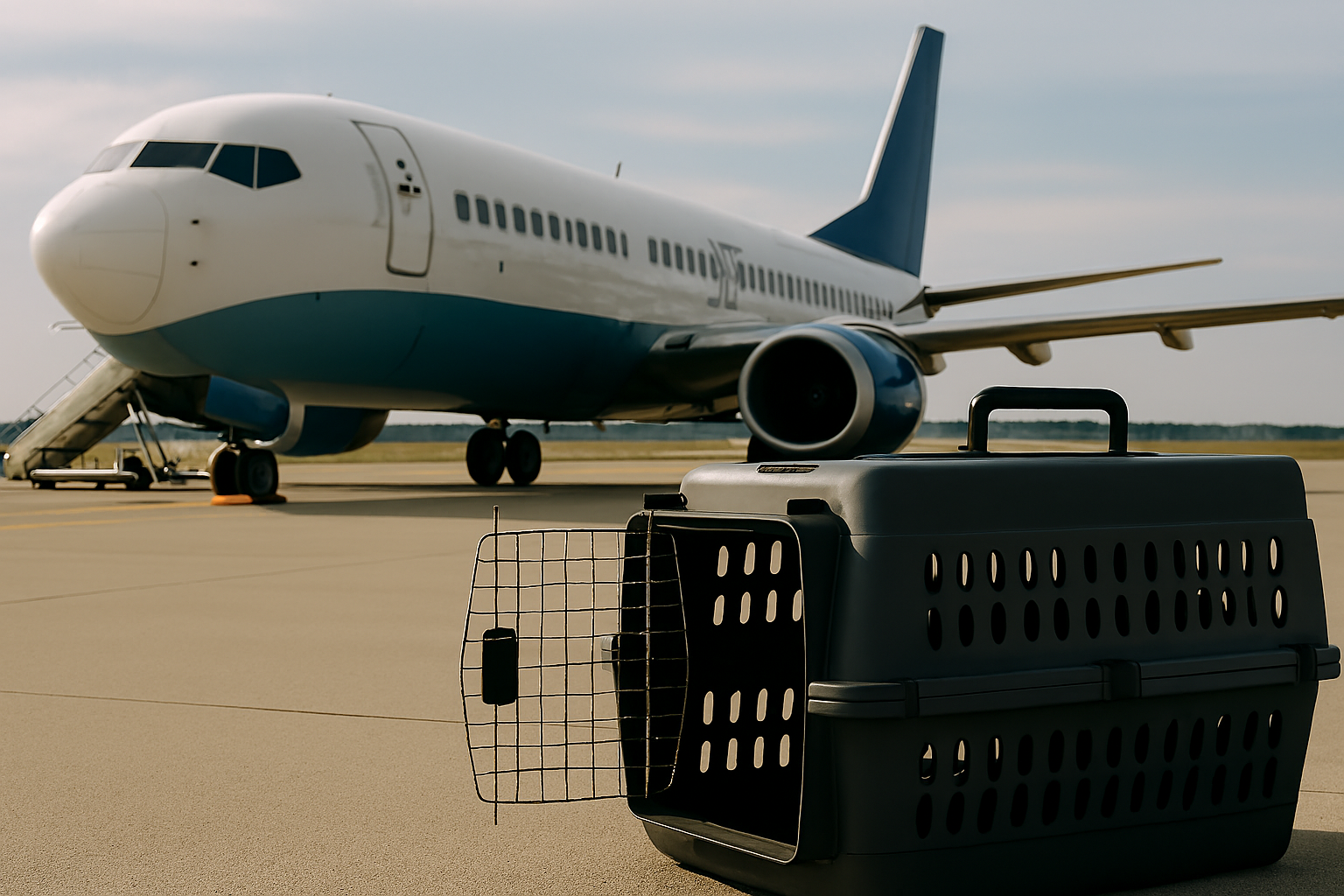
Air travel is one of the most common methods of shipping dogs to another state, especially when the destination is far away. There are two primary ways dogs fly in: by cabin or cargo hold travel. Cabin travel is the safest and most comfortable option, but it is only available for small breeds that fit under the seat and buyers who are willing to fly to pick up the puppy or use a flight nanny. Flight nannies accompany the dog in the cabin, ensuring constant care. Many breeders consider this the gold standard for transporting puppies over long distances.
Cargo hold travel is for larger dogs or unaccompanied puppies. They must fly in temperature-controlled, pressurized cargo areas. Contrary to common fears, these areas are designed for live animals and are usually safe when guidelines are followed.
To maximize safety, choose an airline with strong pet-safety programs, ship only during moderate temperatures, avoid layovers where possible, and use an airline-approved travel crate. Reputable airlines have strict protocols in place, and thousands of pets fly safely every year. The key to the puppy's safety lies in preparation and selecting the right carrier.
While air travel is faster, many breeders prefer ground transport because it offers a more personal touch. It is a popular choice for shipping dogs to another state when the distance is within a manageable range. Ground transport has the advantage of the dogs remaining in a familiar environment, there won’t be extreme temperature shifts, there’s more human interaction during travel, and more flexible scheduling.
The disadvantages of ground transportation include longer travel times, a higher risk of travel stress for very young puppies, and a greater variability among transport companies. Choosing a reputable ground transporter is really important. You should always select transporters who are USDA-certified, specialized in live animal transport, transparent about their travel route and schedule, insured and experienced, and well-reviewed by other breeders and pet owners.
Avoid “cheap” transporters or unverified social-media pet movers, as these often lead to unsafe conditions or scams. The welfare of your puppy is paramount, so as a responsible and ethical breeder, you must make a professional and good choice of company to use for ground transportation.
Responsible, educated breeders can ship dogs safely and ethically without compromising the puppy’s well-being, and breeders play a crucial role in ensuring safe puppy transport. It’s important to follow some essential guidelines when shipping puppies. You should only ship to vetted, trustworthy buyers and give buyers clear expectations and updates. It’s important to provide full transparency on transport costs and methods. You should choose transportation based solely on the dog’s welfare and avoid shipping in extreme weather. Maintain all legal documentation for reference as well.
Shipping dogs can be safe when done responsibly. Whether you're shipping dogs by air or using a trustworthy ground transporter, it’s important to follow all the guidelines and use professional companies. It’s important that you carefully prepare for the shipping. Such as legal compliance, and careful selection of transport services make all the difference. As a breeder, it’s important that you only ship puppies that are the right age, fit, and healthy with all the correct health checks and vaccinations, etc.
For many families, bringing home a puppy from another state is a joyful, exciting experience. By committing to safe, ethical transportation practices, you can ensure your puppies reach their new homes healthy, secure, and ready to bond. If you’re a breeder shipping dogs for the first time, take your time, research reputable services, and always put the puppy’s comfort and safety first.
29 January, 2026