
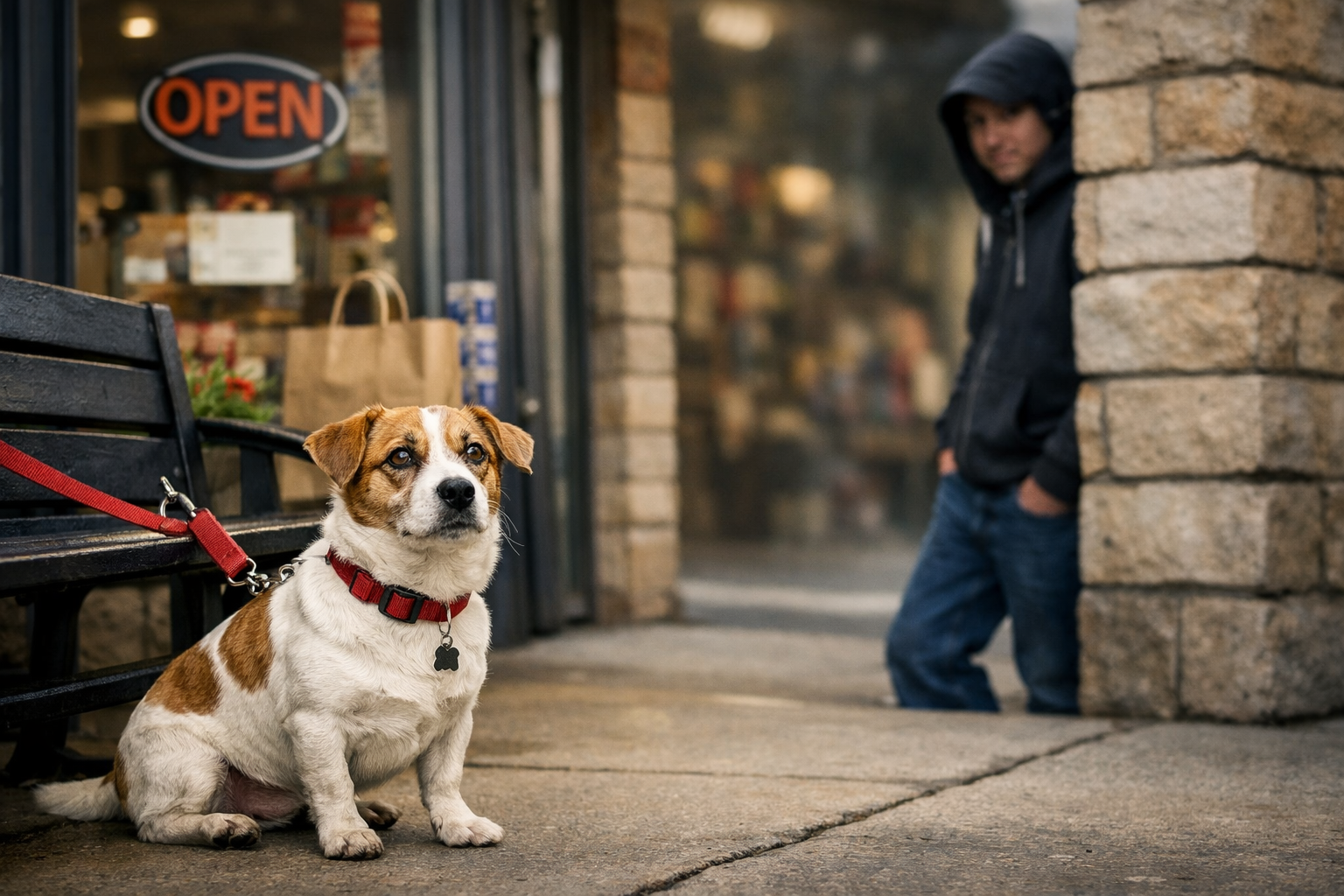
Dogs are beloved family members that are cared for and loved, but unfortunately, criminals increasingly see them as valuable property. Dog theft has become a growing problem across the US, with an estimated two million dogs stolen every year. That breaks down to more than 5,000 dogs stolen every single day, a staggering statistic.
In this article, we look at how thieves are targeting pets for quick profit through illegal sales, breeding operations, and ransom schemes, particularly purebred puppies and popular designer breeds. We also raise awareness of the risks and how you can take proactive steps to protect your puppy or dog.
Dog theft is not a new crime, but experts say it has become increasingly common in recent years. Rising demand for expensive breeds and the popularity of online pet marketplaces have created opportunities for thieves to quickly steal and resell dogs.
Unlike many other crimes, dog theft often receives limited legal attention because dogs are legally classified as personal property in most states. This means they are treated similarly to stolen electronics or bicycles. Recovery rates remain low with estimates suggesting that only about 10% of stolen dogs are ever reunited with their owners. For dog owners, the emotional and financial impact can be devastating.
Families that are victims of dog theft often experience grief, anxiety, and emotional distress. Children may struggle to understand what happened, while owners can feel guilt and helplessness for months or even years. Since dogs are deeply integrated into many households, their sudden disappearance can be traumatic and the uncertainty is especially painful when owners never learn what happened to their beloved dog.
Many pet owners assume dog theft only occurs in public spaces, but dogs are commonly stolen from backyards, front yards, open garages, unlocked homes, and apartment patios. Dog theft also can occur when dogs are left tied outside stores or coffee shops, walked in isolated areas, left unattended in vehicles, or when dogs are temporarily unsupervised at parks. Visible security measures can help protect you from dog theft as well.
There are several reasons dog theft continues to rise in the United States. Certain breeds are especially attractive to thieves because of their high resale value, such as French bulldogs. One of the most common motives for dog theft is “dog flipping.” Criminals steal dogs and quickly resell them online through classified ads, social media marketplaces, or informal networks. Unsuspecting buyers may never realize the pet was stolen which is why it is so important that you screen potential dog puppy sellers and purchase from a responsible breeder.
Purebred dogs are especially valuable for illegal breeding businesses. Female dogs can be repeatedly bred for profit, while male dogs may be used for stud services. Because breeding dogs can generate thousands of dollars annually, thieves often target intact animals.
Some criminals steal pets specifically to collect reward money. After owners post missing dog flyers or social media alerts offering cash rewards, thieves may demand payment in exchange for the dog’s return. In some cases, scammers falsely claim to have found the pet to exploit emotional owners.
While no prevention method is foolproof, there are thankfully several effective ways to reduce the risk of dog theft. First of all, you should get your puppy or dog microchipped. It’s one of the most important dog protection measures available. A microchip gives veterinarians, shelters, and animal control officers a way to identify your pet if they are recovered. However, your contact information needs to be current.
You should also be cautious about what you reveal online. It can be tempting to post lots of pictures of your beloved pooch, but many owners unknowingly reveal sensitive information online. Posting your dog’s breed, value, location, daily walking routes, or vacation plans can make your pet a target. Limiting your public details can improve dog protection significantly.
You should also never leave your dog unattended, either outside a store, in friendly neighborhoods, or in a parked vehicle. Criminals can steal a dog in seconds and disappear before the owner returns.
To protect your dog from thieves, ensure your backyard is safe by installing secure fencing, locks, outdoor lighting, and security cameras around your property. If your dog enjoys spending time outdoors, supervise them whenever possible, avoid leaving them outside overnight, use monitored gates, and even consider GPS tracking collars.
It’s a good idea to stay safe and alert when walking your dog outside. Avoid distractions like excessive phone use while walking your dog, and if someone asks unusual questions about your dog’s breed, price, or breeding status, remain cautious - trust your instincts if a situation feels suspicious.
If you believe your dog has been stolen, act quickly. You should immediately contact local animal shelters and veterinarians, file a police report, notify your microchip company, post on local lost pet groups, check online marketplaces and classified ads, and share recent photos and identifying details. Avoid publicly mentioning large cash rewards, as this can attract scammers.
As dog theft continues to rise across the United States, awareness remains one of the strongest forms of prevention. Criminals often target pets when owners least expect it. By understanding how dog theft happens and taking proactive dog protection steps, you can greatly reduce the chances of becoming a victim of dog theft.
Dogs are irreplaceable companions, and so protecting them requires the same level of care and attention given to any other family member. With vigilance, preparation, and smart safety habits, you can help keep your beloved dog safe from theft.
01 July, 2026