
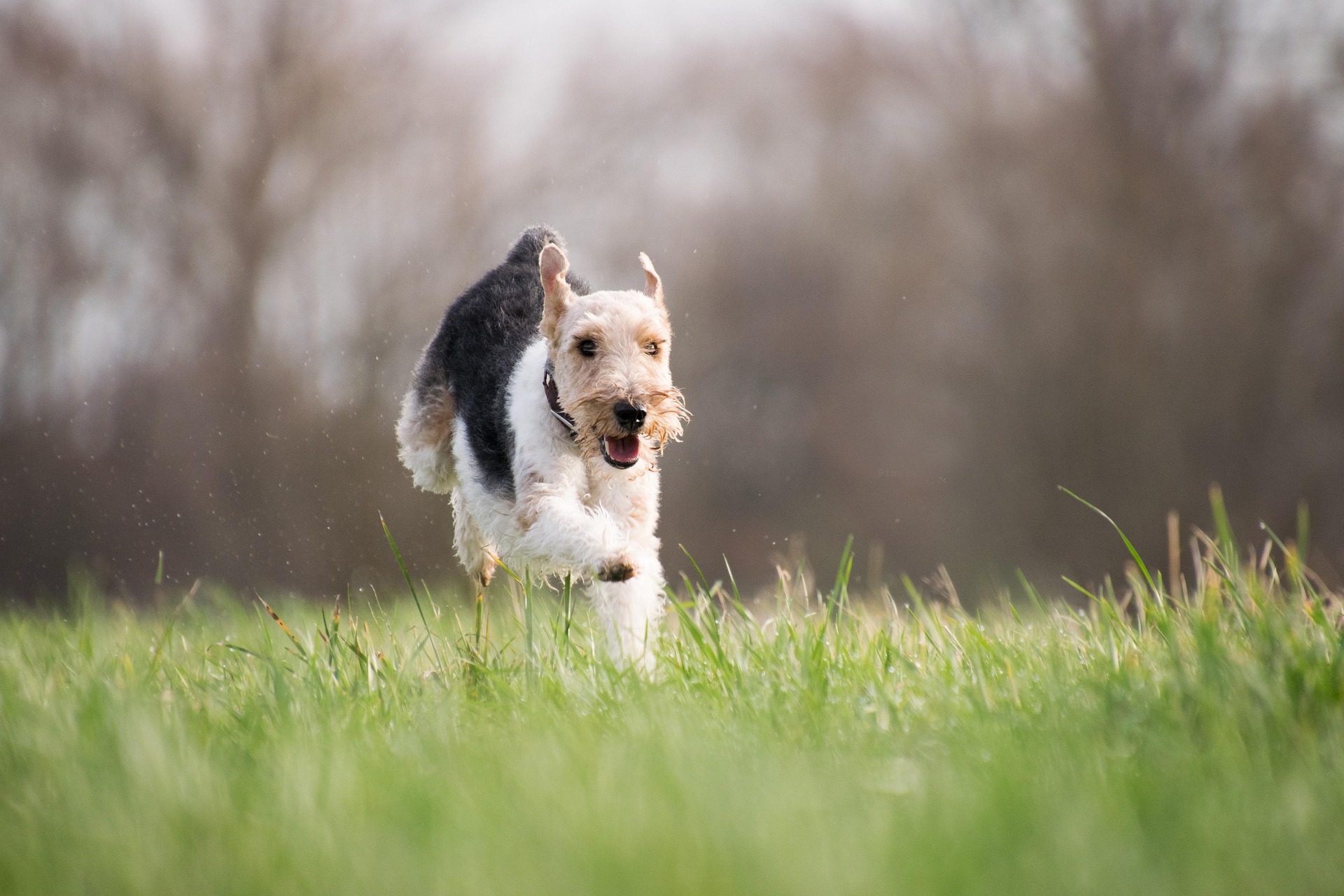
As a dog owner, you might have experienced a peaceful walk turning into chaos in seconds when your dog spots a squirrel darting across the trail or a rabbit disappearing into the bushes. Before you know it, they're pulling hard on the leash, barking, or trying to sprint after their new target.
However, with patience, consistency, and the right training tips, you can teach your dog to stay focused on you instead of every bird, deer, or chipmunk they encounter. For many dogs, chasing wildlife isn't bad behavior; it's instinct. Breeds developed for hunting, herding, or tracking often have a strong prey drive that can make moving animals almost impossible to ignore.
In this article, we take a look at how you can help stop your dog chasing wildlife, and at the same time make walks safer and more enjoyable for both of you.
Understanding why your dog wants to chase animals is the first step toward changing the behavior. Many dogs are genetically wired to notice movement, and fast-moving animals naturally trigger their instinct to stalk, chase, or pursue. Even dogs that have never hunted before may react the moment they spot something running across their path. There’s quite a range of common wildlife that set off this instinct in dogs, including squirrels, rabbits, deer, birds, ducks, raccoons, groundhogs, and chipmunks.
While the behavior is natural, allowing your dog to chase wildlife can be dangerous. They could run into traffic, become lost, injure themselves, or provoke defensive animals that may bite or kick.
Small, consistent training sessions usually produce better results than occasional long sessions. Here are some ideas to help you stop your dog chasing wildlife.
Every dog reacts to different stimuli. Some dogs become excited only when animals run, while others react to birds flying overhead or deer standing quietly in the distance. Recognizing these signals gives you a chance to redirect your dog's attention before they decide to chase.
You should spend a few walks simply observing your dog's body language. Early signs of an urge to chase may include stiffening their body, staring intensely, ears moving forward, tail becoming rigid, closing their mouth, and slowing down or freezing.
Some breeds naturally have stronger chasing instincts than others. Terriers, sporting dogs, hounds, and many herding breeds may need additional training because pursuing moving animals has been part of their working history for generations. That doesn't mean they can't improve; it simply means progress may take more time and practice.
Positive reinforcement obedience training involves giving your dog a treat or praise, when they behave in the way you expect them to. For example, if your dog spots a rabbit but chooses to stay beside you, that's exactly the moment to celebrate. You should also focus on recall training as well.
Use treats or praise to reinforce calm behavior whenever your dog notices wildlife without reacting, or when they return when you call. Timing is important, so reward your dog immediately so they understand exactly what earned the reward.
Training is much easier when you have equipment that keeps everyone safe. A sturdy harness often gives you more control than attaching a leash to a collar alone, especially if your dog tends to lunge suddenly.
Choose a standard six-foot leash for everyday neighborhood walks, but if you're practicing recall in a large open space, a long training leash can give your dog more freedom while preventing them from taking off after wildlife. Avoid retractable leashes during training sessions. They make it harder to maintain consistent control and may accidentally reward pulling.
One of the biggest mistakes owners make is getting too close to wildlife too soon. If your dog is already barking, lunging, or pulling, they're usually too excited to learn anything. Instead, you should increase the distance until your dog can notice the wildlife without losing focus completely.
This creates what's often called the "learning zone," where your dog is aware of the distraction but still able to respond to your cues. As training progresses, you can gradually decrease the distance while maintaining calm behavior.
There may be times when wildlife appears unexpectedly around a corner or on a trail. Teaching an emergency turn gives you a quick escape before your dog becomes overly excited. Practice saying a command such as "This way!" while turning and walking in the opposite direction. Then reward your dog for following immediately. With repetition and positive reinforcement, your dog will learn that turning with you is a fun game rather than a frustrating interruption.
Dogs learn best when training feels like a game rather than a chore. Mix rewards to keep your dog engaged. Some days that might mean tiny pieces of chicken, while other days a favorite toy or enthusiastic praise is even more motivating. Keeping sessions short, upbeat, and successful helps build your dog's confidence while strengthening your bond.
If your dog regularly slips their leash, becomes impossible to control, or has a history of chasing wildlife over long distances, working with a qualified dog behavior trainer can make a huge difference. Professional guidance can help you develop a training plan that matches your dog's temperament, experience, and prey drive while keeping everyone safe.
Learning how to stop a dog chasing wildlife doesn't happen overnight, but every successful walk with positive reinforcement training will help build better habits. By recognizing their stimuli, rewarding calm behavior, practicing reliable commands, and staying consistent, you can gradually replace chasing with better choices.
Remember that your dog's instinct to chase is completely natural. The goal isn't to eliminate those instincts; instead, it's about teaching your dog how to respond safely when excitement strikes. With patience and plenty of practice, your walks can become calmer, safer, and much more enjoyable for both you and your dog!
02 September, 2026