
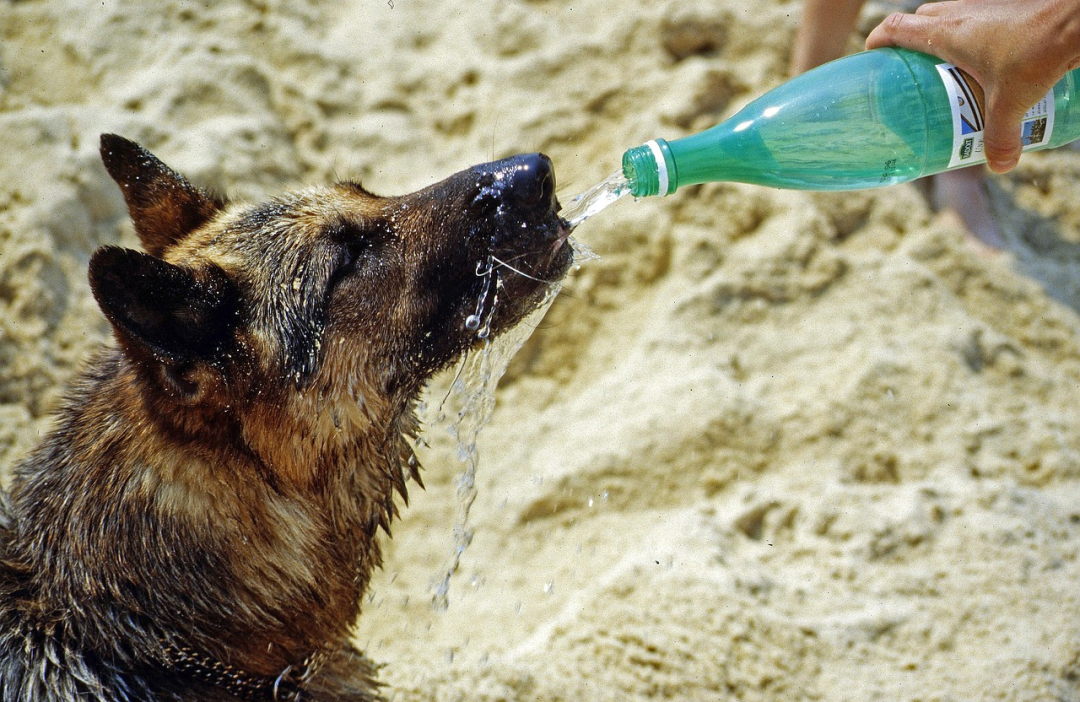
As a dog owner, you will notice lots of new behaviors in your dog. You might have recently seen that your dog is drinking more. A dog having excessive thirst is medically known as polydipsia; it is something to take seriously and act quickly. A dog drinking lots of water can be a symptom of various health issues ranging from mild to serious.
In this article, we take a look at what it might mean if you notice your dog drinking lots of water, or more than usual, and various symptoms, such as wondering, ‘Why is my dog peeing so much?’ We go through when it is time to contact your vet.
First of all, what is a normal amount of water for a dog to drink? A healthy dog usually drinks about ½ to 1 ounce of water per pound of body weight per day. For example, a 20kg dog should drink between 23 and 45 ounces, which is roughly 3 to 6 cups of water, every day.
What your dog eats can also cause excessive thirst in a dog. Be careful about your dog eating table scraps or treats that might be high in sodium. Be cautious about this. For example, feeding your dog sausage rolls, which are salty and not a healthy treat for your dog.
This value is quite a wide range of water, so you will need to calculate what is right for your dog. And this is why your dog needs constant access to water. Your dog will need more water to drink in hot weather and after physical activity. If you have been out for a long hike on the weekend outside your routine, your dog will need more water than usual.
Other reasons for your dog needing to drink more are if they eat dry kibble instead of wet food or if your dog is taking certain medications, like diuretics (for heart conditions) or corticosteroids, like Prednisone or anti-seizure medications. If they are taking these, speak to your veterinarian about noticed side effects and seek their advice.
After ruling out these situational factors and still noticing your dog drinking excessive amounts of water, it may be time to consider other underlying causes for their thirst.
Dogs can become dehydrated from the heat and illness, especially if they have a fever, vomiting and diarrhea. Signs that your dog might be dehydrated are dry gums, lethargy, sunken eyes, and skin that doesn’t bounce back when pinched. When you notice excessive thirst in your dog, it could be mild dehydration.
In humans, excessive thirst can be caused by diabetes mellitus, and diabetes in dogs also affects blood sugar regulation and can cause excessive thirst and urination. You might find yourself asking, “Why is my dog peeing so much?” and possibly also losing weight despite an increase in food intake; it could be due to diabetes.
A dog's kidneys filter waste from their blood and maintain fluid balance. A dog's excessive thirst and frequent peeing could be due to kidney disease. Chronic kidney disease is more common in older dogs and can have a slow progression.
Another potential illness that you might find a dog drinking lots of water with is Cushing’s disease, caused by an overproduction of cortisol (the stress hormone). This can lead to excessive thirst, frequent urination, increased appetite, and a pot-bellied appearance. This condition is more common in poodles, dachshunds and boxers and in general in older dogs.
A UTI can also cause a dog to drink lots of water and urinate more. They also strain to urinate, have blood in their urine, or lick their tail area more.
Liver disease causes toxins to build up in the body, which may lead to increased thirst as the body attempts to compensate. Other symptoms of liver disease include vomiting, diarrhea, jaundice (yellowing of the eyes or gums), and lethargy.
If you have noticed your dog drinking lots of water and there are any of the following additional signs and symptoms, then you should consult your veterinarian; it could be an emergency.
Your vet will assess your dog, do a physical exam, and then may recommend further tests like urinalysis, which checks for infections, sugar, protein, and concentration. Blood tests to assess kidney and liver function, blood sugar levels, and potentially imaging, like X-rays or ultrasounds, to look for organ abnormalities. The veterinarian will advise the correct tests for your dog depending on the signs and symptoms your dog is experiencing.
Treatment will depend on the underlying cause, but your dog might need fluid therapy to help them hydrate, and they might need some treatment and medication. Or dietary changes might be required.
If you’re suddenly asking yourself Why is my dog drinking lots of water and Why is my dog peeing so much? Then you will want to know why this is the case, why your dog is suddenly showing signs of excessive thirst. There might be a simple reason, like a guest feeding your dog a salty treat, or a morning of hiking, or maybe hot weather.
However, there are several health conditions, of which excessive thirst and frequent urination can be symptoms. If your dog also exhibits any signs or symptoms of ill health, or if excessive thirst on its own lasts longer than 48 hours, then you should consult your veterinarian for advice. Being vigilant and proactive about your dog's health can help you get your dog the lifestyle or health changes they need promptly so they can stay healthy, happy and active.
20 August, 2025