
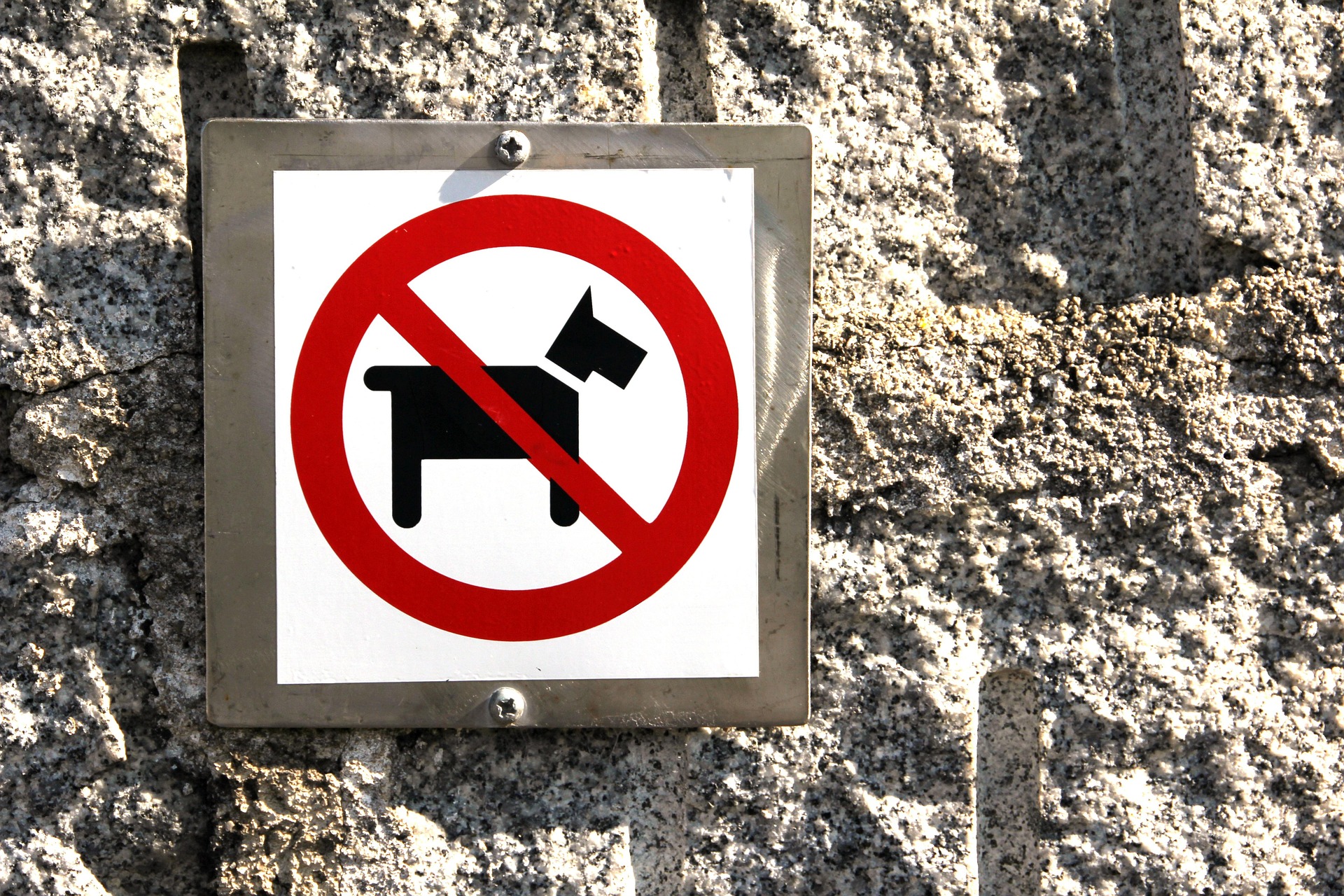
Breed bans, often referred to as breed-specific legislation (BSL), have been implemented across the United States for decades. These laws typically restrict or prohibit ownership of certain dog breeds, most commonly those perceived as dangerous, such as pit bull–type dogs, Rottweilers, or Doberman Pinschers. The goal is to reduce dog attacks and improve public safety.
But do breed bans work? In this article, we examine breed bans in the U.S., explore their details, and assess their effectiveness.
Breed bans are laws that target specific dog breeds rather than focusing on the behavior of individual dogs. Breed-specific legislation can vary from jurisdiction to jurisdiction. These laws can range from outright bans to strict regulations like mandatory muzzling, special permits, or insurance requirements. These requirements can vary by location as well.
In the U.S., more than 700 cities have enacted some form of breed-specific legislation, although many states now discourage or outright prohibit such laws in favor of breed-neutral approaches. Despite their prevalence, breed bans remain a frequently debated topic in animal policy.
Supporters of breed bans argue that certain dogs pose a higher risk due to their size, strength, or historical use in guarding or fighting. Basically, it suggests that their genetic background makes them a greater risk of causing harm. From this perspective, limiting or removing these breeds from communities reduces the likelihood of severe dog attacks.
There is some data that appears to support this view. For example, certain municipalities have reported decreases in incidents involving specific breeds after implementing bans. Proponents argue that reducing the population of higher-risk dogs naturally lowers the number of attacks attributed to them. However, this relies on isolated case studies rather than broad, consistent evidence.
When looking at the bigger picture, the scientific consensus is less supportive of breed bans. Multiple studies and reviews have found little to no evidence that breed-specific laws reduce dog bites or improve public safety, and in fact, major organizations such as the CDC and veterinary associations have raised concerns about the effectiveness of these laws.
It’s important to consider that dog behavior is influenced by many factors, not just the breed. This includes training, socialization, environment, and owner responsibility. Research suggests that breed accounts for only a small portion of behavioral variation, which means that knowing a dog’s breed tells you relatively little about how it will behave.
Additionally, it can be difficult to accurately identify a dog’s breed, especially with mixed breeds, and this can lead to inconsistent enforcement and unreliable data.
Enforcing breed bans presents significant challenges. First, breed identification is often subjective. Animal control officers, veterinarians, and even experienced dog professionals can disagree on a dog’s breed based on appearance alone. This creates room for error and inconsistency in applying the law.
Second, enforcement can be costly and resource-intensive. Municipalities must dedicate time and funding to identifying, monitoring, and sometimes removing dogs, and these resources could instead be used to address dangerous behavior directly.
Finally, breed bans can be easily gotten around. Owners may mislabel their dogs, move them between jurisdictions, or avoid licensing altogether, making compliance difficult to track.
Breed bans can also lead to unintended and often negative outcomes. For dog owners of one of these breeds, they can face losing a beloved pet or facing strict restrictions despite having a well-trained, non-aggressive dog. This disproportionately affects responsible dog owners, who may be penalized simply because of their dog’s appearance rather than its behavior.
For dogs, the consequences can be even more severe. Some are surrendered to shelters or euthanized due to legal restrictions, regardless of temperament. Others may be hidden away, receiving less exercise, training, or veterinary care to avoid detection. Some argue that breed bans discourage ethical dog breeding practices by focusing on eliminating certain breeds rather than promoting responsible breeding standards across all dog breeds.
Many Americans oppose breed‑specific legislation, and experts generally favor alternative approaches that address the root causes of dog aggression. These include stronger enforcement of leash laws, public education on dog behavior, penalties for negligent ownership, and behavior-based dangerous dog laws. This focuses on the individual dogs that are dangerous rather than a sweeping breed-specific category and instead places the focus on how dogs are raised, trained, and managed.
There is evidence that suggests that breed-neutral, behavior-based policies are effective solutions. These approaches focus on identifying and managing dangerous dogs regardless of breed, holding owners accountable for their pets’ actions. Cities that emphasize licensing, education, and enforcement of general animal control laws have seen meaningful reductions in dog bite incidents without needing to target specific breeds.
This approach promotes responsible dog owners, who play the most critical role in preventing aggression. Proper training, early socialization, and responsible handling can significantly reduce the likelihood of a dog becoming dangerous. Encouraging ethical dog breeding helps ensure that dogs are bred for good temperaments, socialisation, and health.
Breed bans may offer a sense of reassurance with certain dog breeds that are considered potentially dangerous. And it goes without saying that you should be aware of your local municipality's rules on your dog’s breed and follow all legal requirements.
Dog aggression is influenced by a combination of genetics, environment, training, and human behavior, and this is why ethical and responsible breeding practices are essential for raising well-adjusted and healthy puppies with good temperaments and, therefore, a great start in life.
Reducing it to breed alone overlooks these critical factors, and unfortunately, breed bans have not been shown to significantly reduce overall incidents. A more effective path forward lies in promoting responsible dog owners, supporting ethical dog breeding, and implementing laws that focus on behavior rather than breed.
In the end, safer communities are built not by banning dogs based on appearance, but by focussing on accountability, education, and responsible dog care, regardless of the breed.
29 April, 2026