
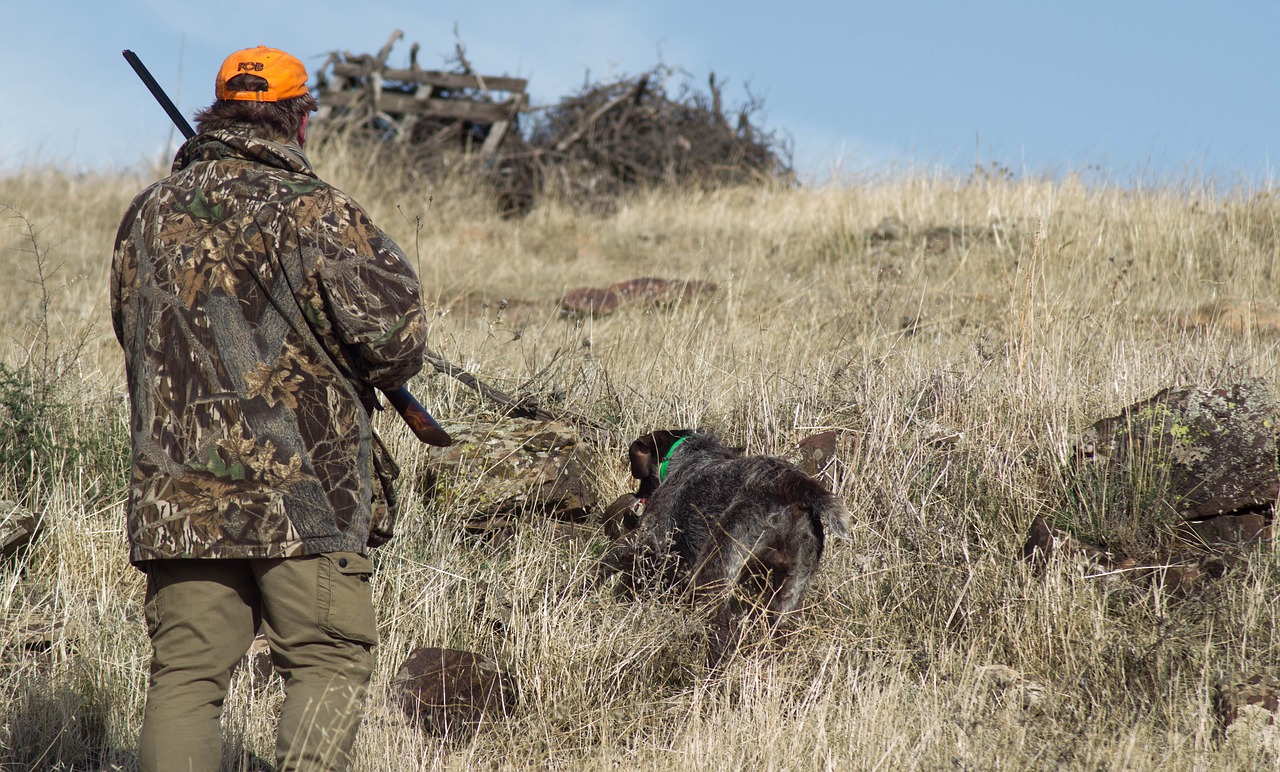
Dogs are some of the most loyal and loving companions humans have. And in the US, many dog owners own firearms. But when it comes to firearms, even the friendliest pup can unintentionally create a dangerous situation. So, whether you have a hunting dog, a guard dog, or a family pet, understanding gun safety is crucial. It might surprise you, but accidental discharges are more common than you might think, and they can happen in a flash.
It’s easy to assume that dogs are harmless in a household. However, if firearms are not kept safely, there is a risk that an excitable puppy can turn a firearm into a hazard in an instant. Dogs explore the world with their mouths, paws, and sometimes with a sudden leap. Even a well-trained dog can knock over a gun left unsecured, causing an accidental discharge.
Accidents aren’t limited to small firearms either. Larger weapons, like shotguns or rifles, can be just as dangerous if they are not kept safe and away from dogs. For hunters or people who own guard dogs, the combination of firearms and active dogs can increase risk, especially during preparation for hunting trips or while practicing home defense drills.
Understanding the importance of gun safety around dogs isn’t just about preventing injury. It's also about protecting the lives of both pets and humans.
Unfortunately, accidental discharges involving dogs happen more often than many realize. For example, in Tennessee, a man was reportedly shot after his dog jumped up onto a bed and hit a firearm left unsecured. He survived, but the incident served as a reminder of the dangers of firearms and dogs.
There are multiple news reports in the U.S. where dogs have accidentally set off shotguns, rifles, and handguns when owners failed to store them safely. Some involved pit bulls, some involved family pets, but the common thread was that the incidents were preventable.
Hunting dogs aren’t exempt from the risk either. Dogs trained to retrieve can get startled by the noise of gunfire, and in rare cases, improperly secured firearms in hunting vehicles have caused injuries to both dogs and humans.
These incidents sound surprising, after all, we’d all expect firearms to be stored and kept safely, and it’s true they’re all preventable with proper precautions. No pet should ever be put in a situation where curiosity or excitement could trigger an accidental discharge.
There is a detailed list of practical steps to ensure the safety of both your dogs and your firearms. First of all, firearms should always be secured in a locked cabinet or safe that your dog cannot access. Firearms should never be left out; they can be dangerous for even a short moment. Dogs are fast, and their jumps or nudges can knock a gun off a counter, bed, or table, so always double-check that firearms are out of reach. Even if you trust your dog, accidents can happen in a split second. Gun owners should consider gun safes with digital locks or key codes for extra safety.
Ammunition should be stored separately from firearms to add an extra layer of protection, preventing accidental discharges if a curious paw or nose finds your gun. It’s critical that hunting and guard dogs receive gradual exposure under controlled conditions.
You should also teach your dog, especially a hunting dog, to remain calm when firearms are handled, loaded, or fired. Use positive reinforcement training methods, such as treats and praise, to reward. Training should be regular and consistent, and training your dog to retrieve safely is important, but don’t rely solely on training to prevent accidents.
You should also engage all firearm safety features, such as chamber locks and trigger locks, to prevent accidental discharge if a dog bumps or interacts with the weapon. If you hunt with your dog, ensure your gear is organized, and firearms are never left on the ground or within a dog’s reach.
All family members should know proper gun safety, especially in homes with dogs. Clear rules and awareness are key. You should also be “puppy-proof” for firearms. Use gates, crates, and secure storage areas to create physical barriers between your dog and any weapon. Dogs are more likely to cause accidents when excited, scared, or overstimulated. Mealtime, playtime, and when friends or strangers are visiting are moments to double-check firearm security.
In addition to storing firearms securely, develop strict handling routines. Always clear a space before cleaning, loading, or unloading a gun, and make sure your dog is in a safe area away from the action. Consistency is key as dogs respond well to a predictable routine. A good routine reduces the chance of unexpected interruptions. Over time, this habit becomes second nature and drastically lowers the risk of accidental discharge in your household.
Certain dogs are more likely to get into situations that could trigger an accidental discharge. High-energy breeds, such as retrievers, shepherds, or terrier mixes, are naturally curious and love to jump, paw, or investigate new objects. Hunting dogs, in particular, are trained to explore and retrieve, which can put them dangerously close to firearms during trips or even in your home. Guard dogs, meanwhile, are reactive by nature and may unintentionally bump into or grab a gun during play or protective behavior.
Dogs bring joy, companionship, and protection to our lives, and by understanding the risks and taking proactive steps to secure guns, train your dogs, and stay vigilant, you can prevent firearm tragedies involving dogs before they happen.
Gun safety isn’t just about keeping people safe; it’s about keeping our loved pet dogs safe, too. Whether you own a hunting dog, a guard dog, or a playful lap dog, implementing these precautions ensures that your home stays safe for everyone.
07 January, 2026