
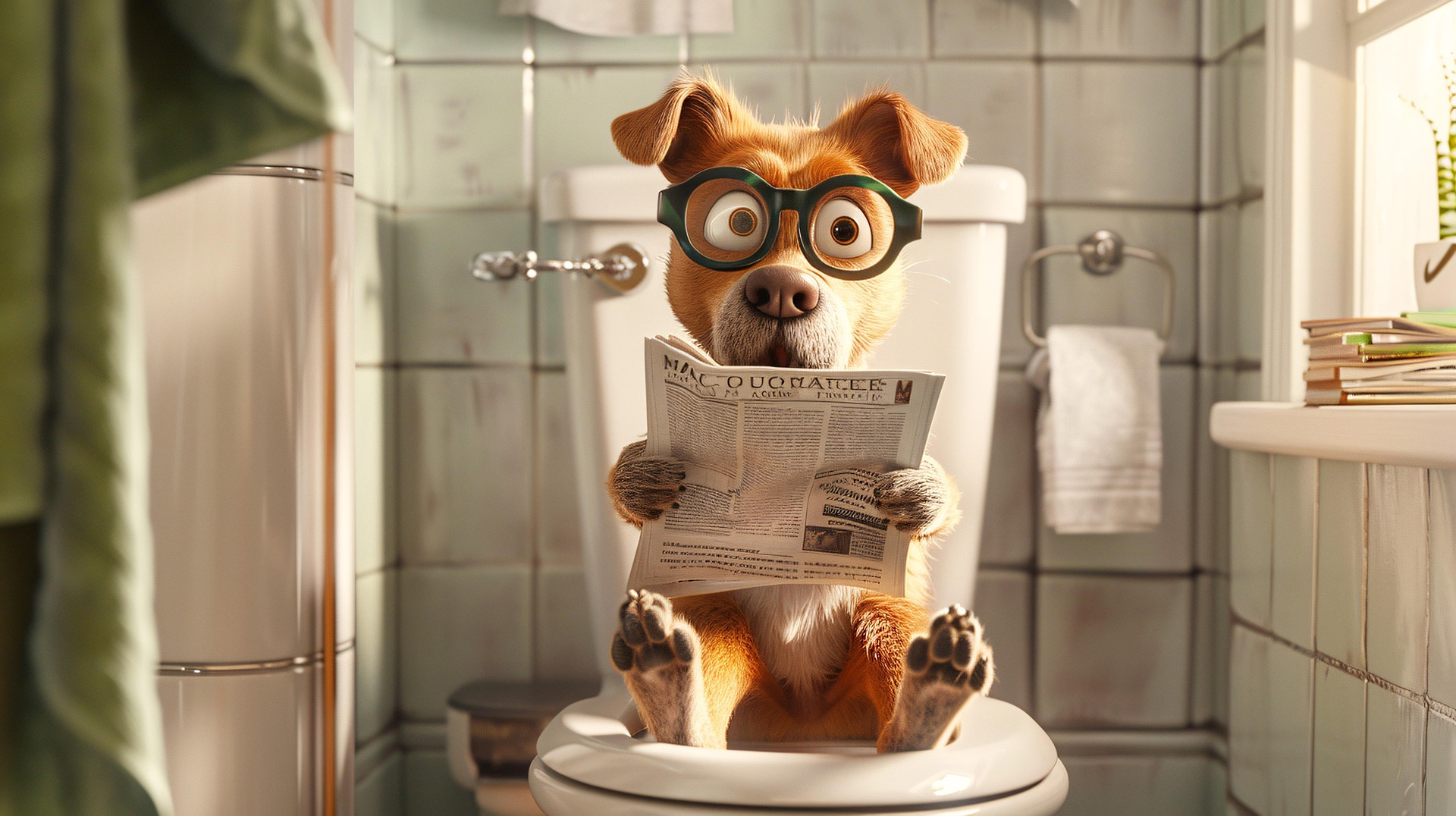
When you’re thinking of welcoming a new puppy into your home, you will likely want to know how long it takes to potty train a puppy. Potty training a puppy is certainly a challenge, and it's essential to be realistic about the process. If you have clear expectations, a consistent training plan, and remain calm and patient, you will find that potty training is not something to worry about.
In this article, we explain the typical potty training timeline for puppies and explore how you can build your confidence in the process. We also identify common challenges you may face and how to handle them.
Potty training, also called housebreaking, is teaching your puppy to eliminate in an appropriate spot instead of inside the house. When considering how long it takes to potty train a puppy, you should consider that puppies have small bladders and limited control. This is especially in the first few months, which is why accidents are common. Some puppies are able to pick it up quickly, while others need more time and guidance.
A responsible breeder will have already been consistently potty training the puppies, and this should make your potty training role easier. It is a really good idea to ask a breeder about potty training and what stage the puppies are at. Knowing what to expect when potty training a puppy can save frustration and help your puppy develop good habits.
There is no single answer to the question, “How long does it take to potty train a puppy?” You should only purchase a puppy that’s eight weeks or older, as by this age, they are typically old enough to have control of their bladders fully. Most puppies can begin to hold their bladder for short periods around 10–12 weeks. Older puppies may learn faster because they have slightly better bladder control and may already have some basic understanding. Smaller breeds often have smaller bladders and may need to go out more frequently than larger breeds.
Positive reinforcement training for good potty behavior, such as treats, praise, and playtime, encourages your puppy to repeat good behavior. Do not punish your puppy or scold them for accidents because this can cause anxiety and confusion, delaying puppy toilet training success. Another factor to consider for how long it takes to potty train a puppy is that some breeds are also known for their intelligence and eagerness to please, which can make puppy toilet training easier.
Regular routines and consistent commands also have a considerable impact. Puppies respond best when they know what to expect. Inconsistent schedules, varied potty locations, or changing rules can slow progress. Some puppies may have medical issues, such as urinary tract infections, that affect bladder control. If potty training seems unusually difficult despite consistent effort, consult your veterinarian.
While every puppy is different, most owners can expect the following general timeline. Within the first 1-2 weeks, puppies need frequent potty breaks, usually every 1–2 hours, and will likely have accidents indoors. The focus is on learning a consistent routine and beginning to understand the designated potty spot.
By 3-4 weeks, puppies start recognizing cues, like going to the door or a potty command. Some puppies begin to have longer stretches without accidents, typically 2–3 hours, and by 5-6 weeks, many puppies can hold their bladder for 4 hours or more and begin to go to the appropriate potty spot on their own.
At 2–4 months, a consistent routine and positive reinforcement should result in fewer accidents. Puppies generally have better control over their bladder and bowels and by 6 months, most puppies are reliably potty trained, although some may take longer depending on breed, temperament, and consistency of training. Accidents are normal throughout this process and your patience and consistency are key.
Puppies love schedules, and consistent potty breaks can really help, for example, first thing in the morning, after meals, after naps, and before bedtime. Consistent timing helps them anticipate potty breaks and reduces accidents indoors. Also, use a designated potty spot as the familiar smells and surroundings help your puppy associate the area with elimination.
Use a simple word or phrase like “go potty” when taking your puppy outside. Over time, your puppy will associate the command with the action. When your puppy uses the potty spot, offer praise, a treat, or affection to reinforce their good behavior.
Learn when it looks like your puppy might need to go to the potty. Look for signs like sniffing, circling, whining, or heading toward the door. Promptly taking them outside when you notice these behaviors helps reinforce the right habits.
It’s important that you stay calm during accidents. Puppies are just learning, and accidents are part of the process. Avoid scolding or punishment, as this can lead to anxiety and can make it much harder to train your puppy in the future, and can really affect their confidence. Clean up thoroughly with an enzymatic cleaner to remove odors and prevent repeat accidents in the same spot.
When considering how long it takes to potty train a puppy, there isn’t a one-size-fits-all answer. Most puppies show significant progress within 4–6 months with consistent effort, patience, and positive reinforcement. Smaller breeds may take a little longer and highly intelligent puppies may pick it up faster. The key is a structured routine, a consistent potty spot, and positive reinforcement training techniques with lots of praise when your puppy succeeds.
Be calm and patient, as accidents will happen, but with understanding and clear processes, you will soon have a potty-trained puppy and be building a strong and loving bond between you and your puppy.
08 April, 2026