
If you’ve ever been greeted by your dog’s soulful gaze while begging for a treat, you know exactly what “puppy dog eyes” feel like! That soft, almost heartbreaking expression can melt hearts, influence decisions, and encourage us to break the rules we set for them. But have you ever wondered if this expression is just a clever trick, or if dogs really have a unique way of communicating with us?
In this article, we take a look at the fun fact that puppy dog eyes are very real and how science is starting to explain exactly how our canine companions have mastered this skill.
Puppy dog eyes are more than just an adorable expression; they are actually a form of communication. Puppy dog eyes are when a dog looks at you with raised inner eyebrows and wide, soft eyes. And when they look at you this way, they are engaging in a subtle nonverbal conversation with you!
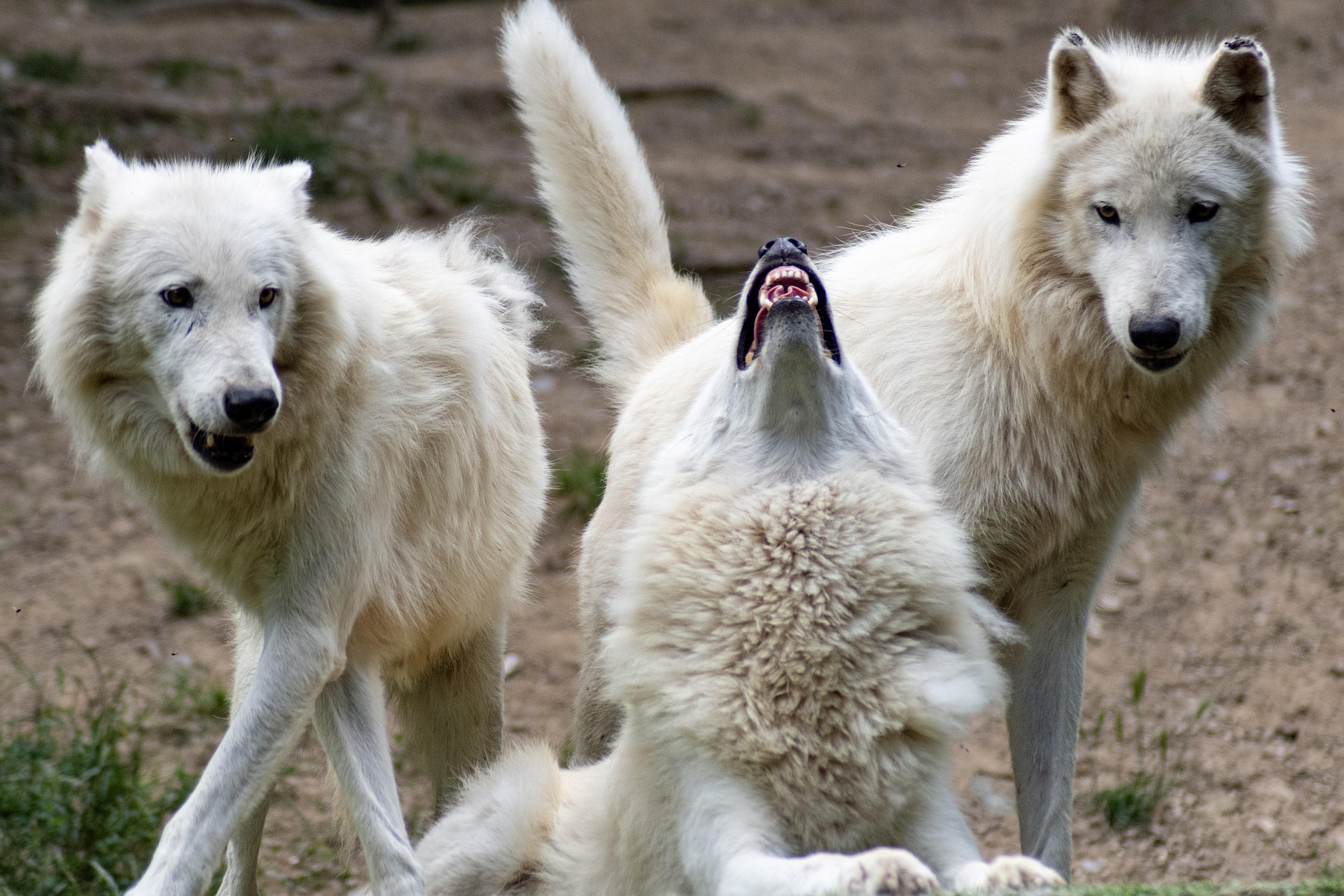
Research shows that these expressions are designed to capture human attention and evoke emotional responses, much like a human baby might. Interestingly, not all canines can do this. Although dogs and wolves share a common ancestor, wolves rarely give humans this kind of gaze. Dogs appear to have developed this unique form of communication with humans.
Studies led by researchers at the University of Portsmouth in the UK have revealed that domestic dogs have a small muscle above their eyes, called the levator anguli oculi medialis, which enables them to raise their inner eyebrows. Wolves, their wild cousins, largely lack this muscle, which means they can’t produce the same expressive, pleading look that we call puppy dog eyes.
This simple anatomical difference has significant implications. When dogs raise their inner eyebrows, they make their eyes appear larger and more infantile. This triggers a nurturing response in humans, which may explain why we find it nearly impossible to resist them. And as you will know, as a dog owner, dogs are highly sensitive to human reactions. When you are worried or feeling sad, your beloved pooch might come running over, perhaps rest their head on your lap, or show affection by leaning on you!
It is really quite obvious that dogs will develop good communication skills, as dogs that were better at communicating with humans were more likely to be fed, cared for, and bred, reinforcing these expressive traits. Through selective breeding, humans have helped shape dogs, and dogs shaped human behavior in return.
It is interesting to understand puppy dog eyes in terms of the difference between how dogs and wolves communicate and socialize. Wolves are intelligent and highly social within their packs, but their communication is primarily designed for survival and coordination in the wild. They rely on vocalizations like howls, body postures, and facial signals to mainly communicate with other wolves, and not humans.
Dogs, however, are designed to live alongside humans, which can be seen not only in their behavior but also in their facial anatomy. Dogs have become adept at reading and responding to human emotions. They can follow our gaze, interpret our facial expressions, and use puppy dog eyes to communicate with us and influence our behavior.
Interestingly, wolves rarely bark, a behavior that is instinctive in domestic dogs. Dogs bark to communicate with humans, a skill that wolves generally do not share. Combined with expressive eyes, barking becomes part of their communication tools.
If you have a puppy or dog, you will not be surprised to learn that dogs don’t just randomly make puppy dog eyes but instead use them strategically. Common times dogs might communicate with puppy eyes are to beg for food when you’re eating, to try to trigger your nurturing instincts. To seek attention for affection, playtime, or simply to spend time with you.
They can also use puppy dog eyes to calm a situation as a peace offering, which you might notice when they know they’ve misbehaved! Dogs are highly attuned to human responses, and if they notice that puppy dog eyes lead to rewards, like treats or cuddles, they are likely to use this expression more often. This is positive reinforcement training and becomes a learned behavior that strengthens the bond between dogs and their owners.
Humans are susceptible to puppy dog eyes because when we see a dog giving us that wide-eyed, pleading expression, our brains release oxytocin, the “love hormone,” which is similar to the response we have with human babies. It’s also why we generally love to see animal babies! This emotional response explains why a dog’s gaze can influence our decisions, often without conscious thought.
While puppy dog eyes are instinctual, you can encourage your dog to use this expression in positive ways. When they make eye contact with you, you can reward them with affection or a treat to positively reinforce the behaviour. You can also make it fun by playing eye contact games, by teaching them to look at you on cue. You can also try to work out when your dog is trying to portray emotion or trying to manipulate the situation, for example, trying to get a bit of your food from you!
It’s helpful to remember that puppy dog eyes are a tool for communication for dogs, not just a cute trick. So it’s important to give attention to them, and this will help you grow a wonderful, strong bond with your dog.
Puppy dog eyes are real; dogs have a special muscle between their brows that helps produce this look. And they use puppy dog eyes to communicate with us. It is a great reminder of the special bond between a dog and their owner, so next time you see puppy dog eyes, think about what your puppy or dog is trying to communicate to you!
26 March, 2026