
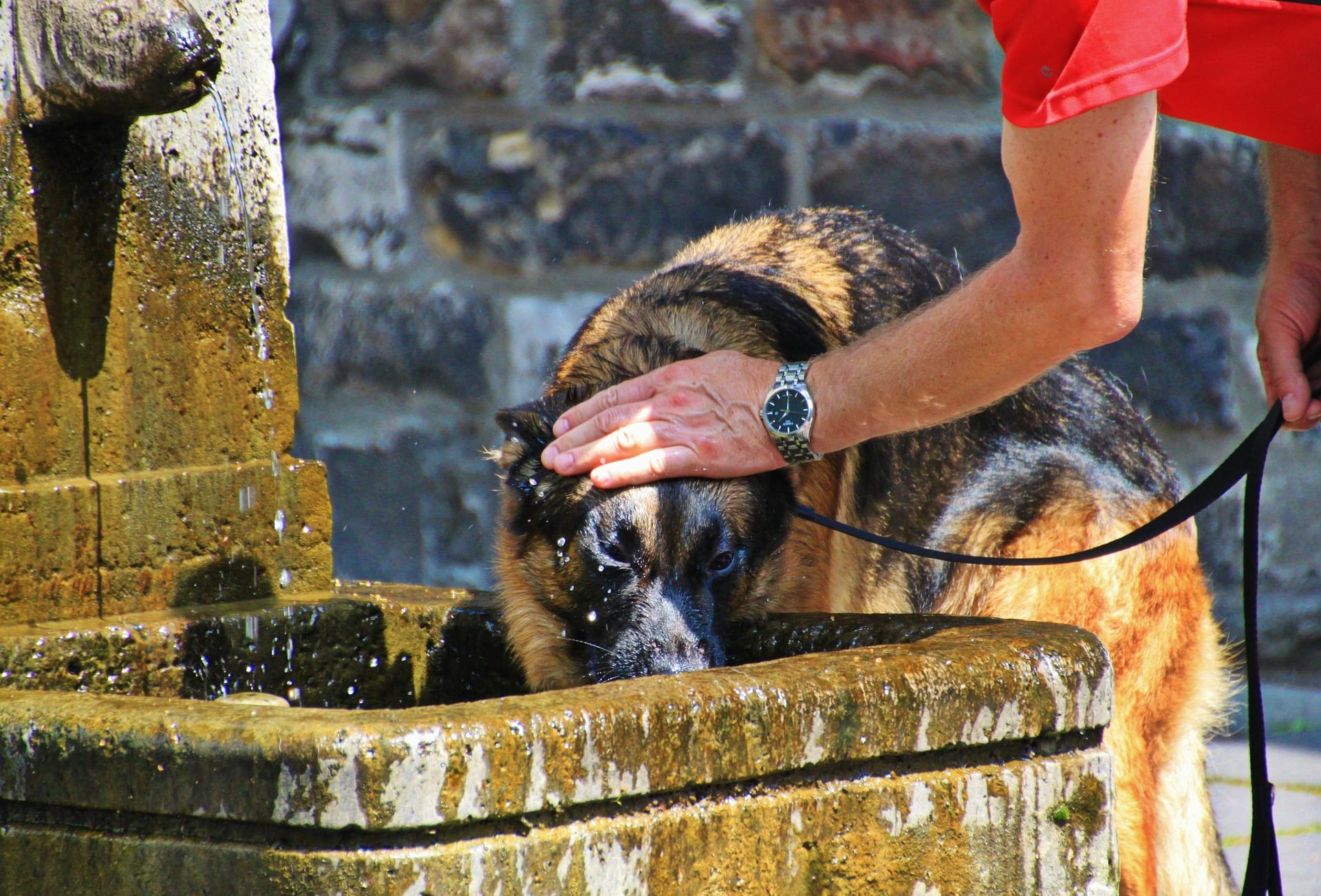
As a dog owner, when temperatures rise, keeping your dog hydrated becomes a top priority. During walks, hikes, beach trips, or afternoons in the backyard, many dogs in hot weather seek out water wherever they can find it. Unfortunately, standing water that may appear harmless can contain serious hidden dangers and veterinarians warn that puddles, ponds, stagnant lakes, buckets, ditches, and even roadside rainwater may expose pets to toxic algae, dangerous bacteria, parasites, chemicals, and life-threatening illnesses.
Many dog owners focus on preventing heatstroke during summer, but contaminated standing water is another major warm-weather risk that is often overlooked. In this article, we take a look at what dog owners should be aware of, and why they should not allow their dog to drink from standing water this summer.
Dogs in hot weather become thirsty more quickly, especially after exercise or prolonged sun exposure. During walks or outdoor adventures, they may instinctively drink from puddles, ponds, or stagnant water sources if fresh water is unavailable. Some dogs are particularly attracted to outdoor water, especially when they have been exercising.
Dogs may also seek stagnant water because it feels cooler than warm water bowls, it contains natural scents that encourage curiosity, and they may not recognize that it is contaminated water. And unfortunately, what seems refreshing to a dog can contain invisible hazards that may lead to serious health complications within hours.
Standing water creates the perfect environment for bacteria, parasites, and toxins to multiply, especially during hot summer temperatures. If you suspect your puppy or dog has been affected by any of these hidden dangers or shows any of the signs and symptoms, then you should seek prompt veterinary advice.
One of the most dangerous threats for dogs in hot weather is blue-green algae, also known as cyanobacteria. This toxic algae commonly forms in warm, stagnant freshwater such as ponds, lakes, and slow-moving streams. Blue-green algae can look like green paint-like scum, a thick surface film, blue, green, or brown discoloration, and floating mats near shorelines. Even a small amount can be deadly to dogs.
Symptoms of algae poisoning include vomiting, diarrhea, weakness, difficulty breathing, seizures, and collapse. In severe cases, death can occur very quickly after exposure. Dogs can become poisoned not only by drinking contaminated water but also by licking algae off their fur after swimming.
Warm stagnant water is also a breeding ground for harmful bacteria, such as leptospirosis, a bacterial infection spread through contaminated water, often containing urine from infected wildlife such as rats, raccoons, or deer.
Dogs can become infected simply by drinking contaminated water or walking through puddles with cuts on their paws. Symptoms may include fever, vomiting, loss of appetite, lethargy, muscle pain, and kidney or liver failure. Leptospirosis is particularly concerning because it can also spread to humans.
Giardia is a microscopic parasite commonly found in contaminated standing water. Dogs infected with Giardia often develop gastrointestinal problems that can persist for weeks. The common symptoms include diarrhea, weight loss, dehydration, gas, and stomach discomfort.
Puppies, senior dogs, and dogs with weakened immune systems are especially vulnerable. Again, seek prompt veterinary advice if you notice these symptoms.
Standing water may also contain hidden chemical hazards that are impossible to detect visually. These can include fertilizers, pesticides, motor oil runoff, antifreeze residue, and industrial pollutants. After storms or heavy rainfall, roadside puddles and drainage areas may collect toxic substances washed from roads, driveways, and lawns.
Dogs in hot weather are often less cautious because they are thirsty and overheated, increasing the likelihood they will drink unsafe water before owners can react.
Many pet owners assume the ocean is safer than stagnant freshwater, but saltwater presents its own serious dangers. When dogs consume too much saltwater, they risk developing salt poisoning, also called hypernatremia.
The symptoms of drinking saltwater can include vomiting, diarrhea, excessive thirst, confusion, tremors, and seizures. Dogs playing fetch at the beach may accidentally swallow dangerous amounts of saltwater over time. Always provide fresh drinking water during beach trips to discourage dogs from drinking seawater.
Preventing contaminated water exposure is far easier than treating illness afterward. The best way to protect dogs in hot weather is to carry clean, cool drinking water during walks, hikes, and outings. Portable dog water bottles and collapsible bowls make hydration for your dog much easier while traveling.
Avoid stagnant water and do not allow dogs to drink from any of the following standing waters, such as puddles, ditches, swamps, ponds, decorative fountains, stagnant lakes, and floodwater. Even clear-looking water may contain harmful bacteria or toxins.
If your dog swims outdoors, rinse them thoroughly afterward to remove algae, bacteria, and contaminants from their fur and paws. This also reduces the chance they will lick toxins off their coat later. Many parks and recreational areas post blue-green algae advisories during the summer months. If you notice suspicious green scum or water discoloration, keep your dog completely away from the area.
You can also ask your veterinarian whether there are suitable vaccines appropriate for your dog, especially if you live in areas with high wildlife activity or frequent outdoor exposure.
As a dog owner, summer should be an enjoyable season for both you and your dog, but warm temperatures can bring additional hazards that shouldn’t be ignored. Standing water may seem harmless, but it can hide bacteria, parasites, toxic algae, and chemicals capable of causing severe illness or even death.
For dogs in hot weather, prevention is key. Always provide access to clean drinking water, take water with you when exercising outdoors, supervise outdoor activities carefully, and avoid allowing your dog to drink from unknown water sources.
A few simple precautions can help ensure your dog stays healthy and hydrated, so you can enjoy the summer together!
29 June, 2026