
We all want our pet puppies and dogs to be healthy. We purchase puppies from reputable breeders, ensuring they receive the best possible start in life. For optimum dog health, we provide them with a healthy diet and plenty of exercise. We provide mental enrichment, love, and companionship, as well as both preventative and active veterinary treatment. However, you might not have thought about drinking water for dogs.
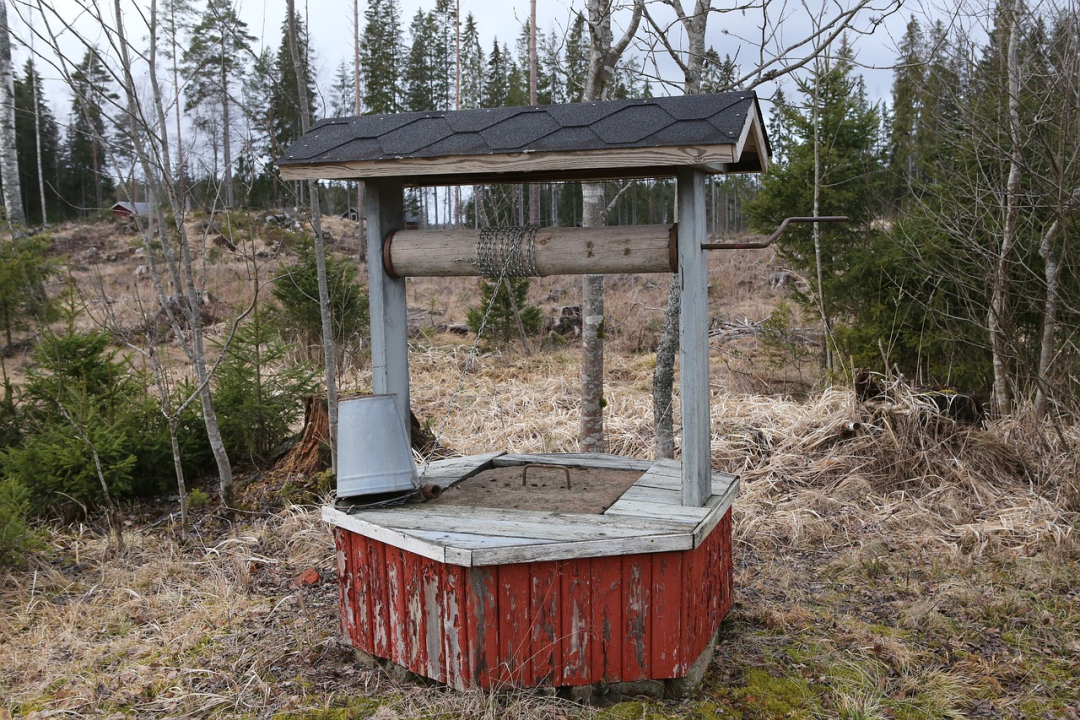
If your home uses well water, which is quite common in the US, especially in rural areas, then you need to ensure you do not overlook the quality of their drinking water. If your dog is drinking water from a well, then you need to ensure your dog is not at risk. A poorly maintained or untreated well can become contaminated, poisoned, or contain heavy metals, bacteria, or other toxins that can impact your dog's health.
Dogs are more at risk from poor water quality than we are, as they are smaller, and toy breeds are more at risk. Humans also tend to exhibit symptoms of poor water more gradually. Whereas, dogs tend to show signs of illness from contaminated water in hours or days. If your dog is drinking continually from the same water source, they can display symptoms very quickly. If you would not drink from a water source yourself, you should not offer it to your dog.
A poisoned well is a well that contains harmful contaminants; it doesn't necessarily mean it has been tampered with. The most common toxins are:
If you notice any of the following signs and symptoms in your puppy, it could be due to your dog having consumed contaminated water, and you should seek prompt veterinary support. They could be due to other illnesses, but if your dog drinks from a private well and has an acute illness, then you should consider the possibility of water contamination. Your vet will be able to conduct thorough investigations, but let them know that your dog has drunk from well water. These include the following:
Dogs have a fast metabolism and process contaminants quickly. They are also close to the ground, and their pores or fur could pick up contaminants from the well that are in the ground. If your dog is drinking well water, they will not be able to tell you that the water tastes unpleasant, they do not react to bad taste and smells like we do.
First of all, you should be protecting your dog's health by testing your well regularly. Check your local guidelines and test more frequently if you notice changes in smell, taste, or clarity. Test for bacteria, nitrates, heavy metals such as lead and arsenic, pH balance, pesticides, and herbicides. You can contact your county health department or get your water tested through a certified water testing lab.
If the tests identify water contamination, then invest in professional water treatment. There are numerous options for treatment, which include the following:
Until your water has been fully treated and retested, use bottled water. Monitor your dog for any health changes. Even if your dog appears well, they can become ill a few days after consuming contaminated well water, so remain vigilant for signs and symptoms of illness.
You need to ensure your well is safe for your family. Seek prompt medical advice if you have any concerns that anyone in your family might have consumed contaminated well water. Dogs are more sensitive to the effects of poisoned well water, so they will likely be the first affected. So if your dog is ill, it can be an early warning sign for the rest of your family.
Heavy metals can build up in a dog’s system and lead to chronic kidney damage, cancer, or neurological problems. Puppies, senior dogs, and dogs with compromised immune systems are at a higher risk of these complications.
To keep your dog and your family safe, you should make sure that you regularly have your well water tested and you are vigilant in detecting any poor odour, taste, or discoloration.
Dog health goes far beyond food, exercise, and veterinarian visits; it also includes checking on the safety of the water they drink, especially if your family relies on private well water. While well water may seem safe at first glance, it can harbour contaminants, like bacteria, heavy metals, or other toxins. If your dog drinks poisoned well water, then it can have serious implications for their health, both short-term and long-term.
Regular testing and proper maintenance of your well water are essential. And dogs are particularly vulnerable to contaminants. By being vigilant about your water quality, you not only protect your dog but also your entire household. Don’t wait for signs or symptoms of illness from well water contamination; make safe water a priority from the start to ensure good dog health.
27 August, 2025