
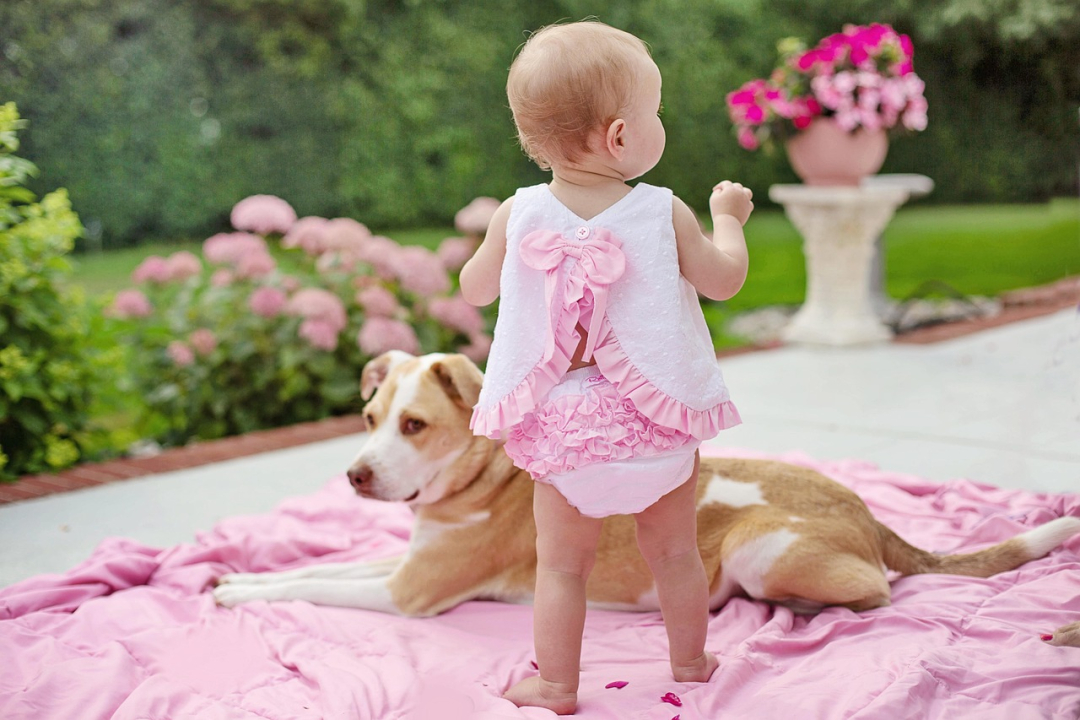
It is a heartwarming experience when you welcome a new baby home. However, when you also have a dog, it can be challenging. Your dog used to take up all your time, but now a new tiny person is taking up all your time with feeding, nappies, and sleepless nights. You might need to make changes to your dog's routine to fit in feeding time, nappy changes, and baby bath times. Your dog also has to get used to all the noise and smells that accompany a new baby!
However, it is quite possible that with the right mindset, families can raise babies and dogs together, balancing the needs of both and building loving relationships and strong family bonds. In this article, we go through some practical tips to help you manage a new baby with a dog so everyone feels safe, loved, and understood.
When you bring a new baby home to a dog, ensure you have made plans in advance and do not make sudden changes on the day the baby comes home. If you need to make changes to your dog's routine when the baby comes home, make these changes gradually in advance because dogs thrive on routine and structure. You also don't want the dog to associate the baby with the changes. Adjust the routine early and make changes to your dog's sleeping arrangement as needed.
You should also focus on positive reinforcement obedience training, especially for simple commands like sit, stay, leave it, and bed. You can also play recordings of baby cries, coos, and giggles to accustomise your dog to these new noises. Start low and increase the volume over time. Put new baby items around the home, let your dog sniff strollers, cribs, carriers, and toys, and practice walking your dog with a stroller and leash together so your dog gets used to this.
When you have a new baby with a dog, your baby's safety is essential, but you also need to ensure your dog does not feel rejected. If you allow the dog near the baby, it should be calm, controlled, and supervised. Remember to use positive reinforcement and praise or treat your dog when he behaves well around the baby. Intervene with positive behaviours; don’t wait until bad behavior occurs to intervene.
Ensure your dog has a quiet space to retreat to, such as a crate, bed, or separate room, where they can relax away from baby noises and busyness. You can use baby gates to block access to areas like the sofa, baby changing station or playpens.
Your dog will likely notice all the attention that the baby gets and could associate the baby with less affection, walks, or fun, so you need to create positive experiences between the baby and the dog. You want your dog to associate the baby with good things happening. For example:
When you have a new baby with a dog, despite your best efforts, your dog might still get stressed with the life changes. It’s important that you are aware of your dog's stress signals, and these can be quite subtle. You might notice:
If your dog exhibits any of these signs, move them away from the situation and put them in their own space. You should seek professional help and get the help of a certified dog trainer or behavioural specialist with experience in helping with baby and dog integration.
You must never leave a dog and a baby alone together and should always supervise interactions. No matter how sweet and loving you consider your dog to be! Even well-meaning behavior like licking, sniffing, or nudging can be dangerous with a newborn. Discourage your dog from jumping up on furniture to get higher up and closer to the baby. Don't leave the baby in seats or carriers with the dog, and use a leash when walking with the pushchair for greater control.
You, your family, and your dog are all adjusting to a new world and family dynamic. Your quiet house might have gotten busier, smellier, and much more unpredictable. It can be really challenging, but give yourselves time, as many families do manage to see a strong bond form between baby and dog. Just remember that you will always need to supervise your baby with the dog.
If your dog shows signs of anxiety or aggression, seek prompt professional help from a certified dog trainer or behaviorist. They can work with you to create a personalized plan and hopefully help you manage a new baby with a dog before problems arise. A good trainer will use positive reinforcement training, have experience working with dogs with babies, and have qualifications such as CPDT-KA, IMDT, or APBC.
It can be a challenge to navigate having a new baby and a dog, and for some, it might be a situation where you need to seek professional help from a dog behavioral specialist. However, with lots of preparation, positive reinforcement, consistent commands, and routines, you could find that you build a positive lasting bond between your baby and dog. Remember to always supervise your baby with a dog and keep an eye on any signs of stress. But with patience and flexibility, you can create a home for both baby and dog to thrive.
30 October, 2025