
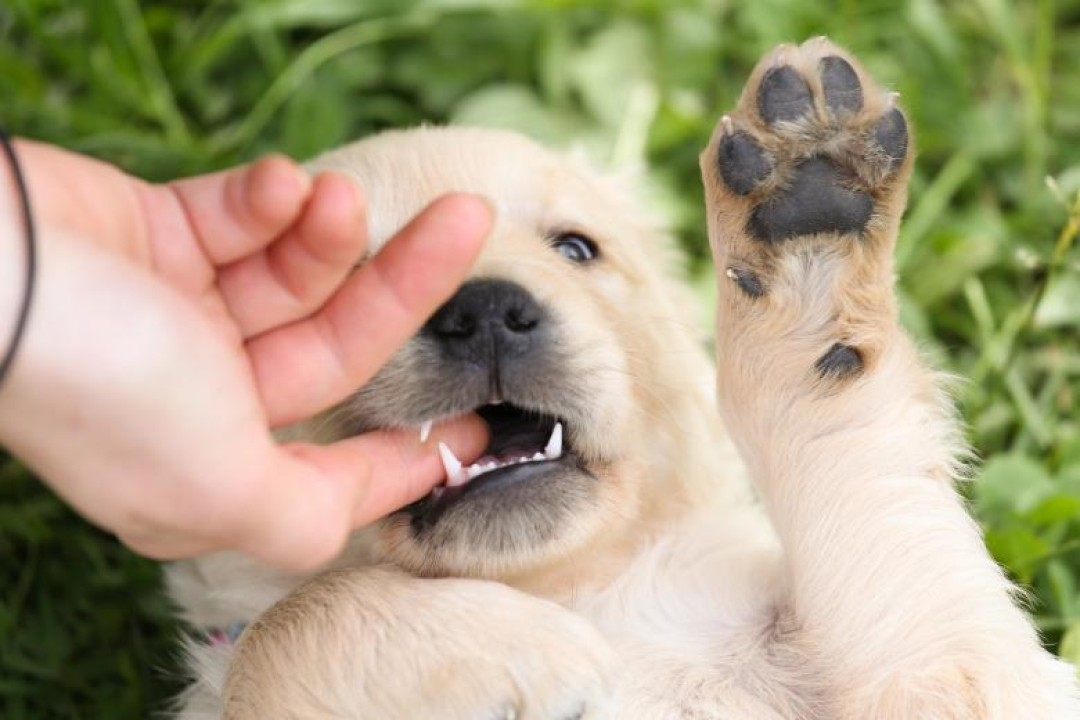
Dogs are wonderful, lovable, loyal, and entertaining companions. From their puppy dog eyes to wagging tails, it’s easy to see how dogs are a joyful part of your life. But sometimes your furry friend does things that make you scratch your head, like suddenly chewing on you! So why do dogs nibble on you? What does it mean when your dog gently bites or mouths you? And is it something you should allow or stop?
In this article, we take a look at why dogs nibble and what it reveals about their emotions and behavior.
In the dog world, this behavior goes by several names: nibbling, mouthing, or sometimes play-nipping. Nibbling generally refers to a dog using its teeth on a person gently, without the intention to cause harm. While nibbling may be harmless in many cases, the context of the behavior can tell you a lot about what your dog is feeling and why your dog nibbles on you.
Dogs nibble on you for a variety of reasons, and most of them are rooted in positive emotions and instinctual behaviors. Understanding the reason behind the nibbling is key to responding appropriately. One of the most common reasons a dog nibbles is actually to show love! Nibbling is often a gentle, affectionate gesture that communicates comfort and trust. Dogs who nibble on their owners are saying, “I feel safe with you.” Other signs of affection include resting their head or paw on you, sitting close to you, or leaning against you, licking your hands or face. These are all ways for dogs to express their bond with their human companions.
Nibbling can also be a form of grooming. In the wild, dogs live in packs where lower-ranking members of the pack groom higher-ranking ones as a sign of respect and care. This instinct can carry over into interactions with humans. A dog gently nibbling your fingers, hands, or hair may be mimicking this natural grooming behavior!
Puppies learn how to play by nibbling and mouthing their littermates. Through play, puppies practice social skills, bite inhibition, and coordination. Nibbling is associated with positive social interactions from early on, and can also be quite noticeable as your puppy goes through teething. It’s important to teach your puppy bite inhibition with obedience training to ensure that it doesn't carry on into adulthood.
When your dog nibbles at your hand during play, it’s often a familiar, comforting way to engage. Playful nibbling is typically gentle and accompanied by relaxed body language or play bows. Some dogs also nibble to get your attention, carrying this habit over from puppyhood into adulthood.
Attention-seeking nibbling is usually shown along with pawing, nudging, or vocalizing. If your dog nibbles mainly when you’re busy or distracted, this may be the cause. Gentle nibbling often shows affection and comfort, while nibbling with growling or stiff posture can indicate stress or irritation.
Many dog trainers recommend discouraging nibbling, even if it seems harmless. While gentle nibbles are usually okay, they can escalate unexpectedly, especially if your dog gets overly excited. Excessive nibbling may indicate boredom or a desire for more mental stimulation, a lack of a suitable toy or outlet for play, and frustration or mild stress.
You can provide other positive distractions from nibbling, such as interactive toys, puzzle feeders, or designated chew items, which can help reduce unwanted nibbling. If nibbling turns into nipping or biting, it’s time to address it with more structured training. First, rule out any underlying emotional triggers like fear, anxiety, or separation stress.
Use positive reinforcement obedience training techniques to teach your puppy or dog not to nibble. Dog behavioral specialists recommend that you be consistent and make sure all family members respond to nibbling the same way, as inconsistent responses can confuse your dog. When your dog nibbles, say “No” firmly or make a high-pitched “yelp” sound, similar to what a littermate might do. Immediately offer a toy or chew item to replace your fingers or hands.
Praise and treat your dog when they interact without nibbling, and reward gentle play and discourage overly hard mouthing. Over time, these strategies teach your dog that nibbling humans is not acceptable while still allowing them to express affection in safe ways.
Occasionally, nibbling can signal a deeper behavioral or emotional issue. Seek professional guidance if the nibbling escalates to frequent nipping or biting, your dog shows signs of fear, stress, or aggression, or you notice repetitive, compulsive nibbling. Certified dog trainers or veterinary behaviorists can evaluate the situation and provide a tailored plan to correct the behavior safely.
Nibbling is a normal behavior in puppies and dogs that often reflects love, playfulness, or attention-seeking. In most cases, it’s harmless, but it’s important to teach your puppy or dog not to nibble on you or others, as this will help prevent escalation into biting or frustration. Gentle guidance, consistent boundaries, and positive reinforcement training can help your dog learn to play and interact in safe ways.
If your dog nibbles occasionally and it’s soft and playful, consider yourself lucky: your furry friend is expressing affection in one of the oldest ways dogs know! But for more frequent or stronger nibbling, structured training and redirection can keep the behavior safe, enjoyable, and stress-free for both you and your pet. If you are struggling, then seek advice from a dog behavioral specialist or your veterinarian.
Nibbling is just another way dogs communicate. With patience, consistency, and understanding, you can enjoy the love, play, and companionship your dog brings without any accidental teeth marks!
29 December, 2022