
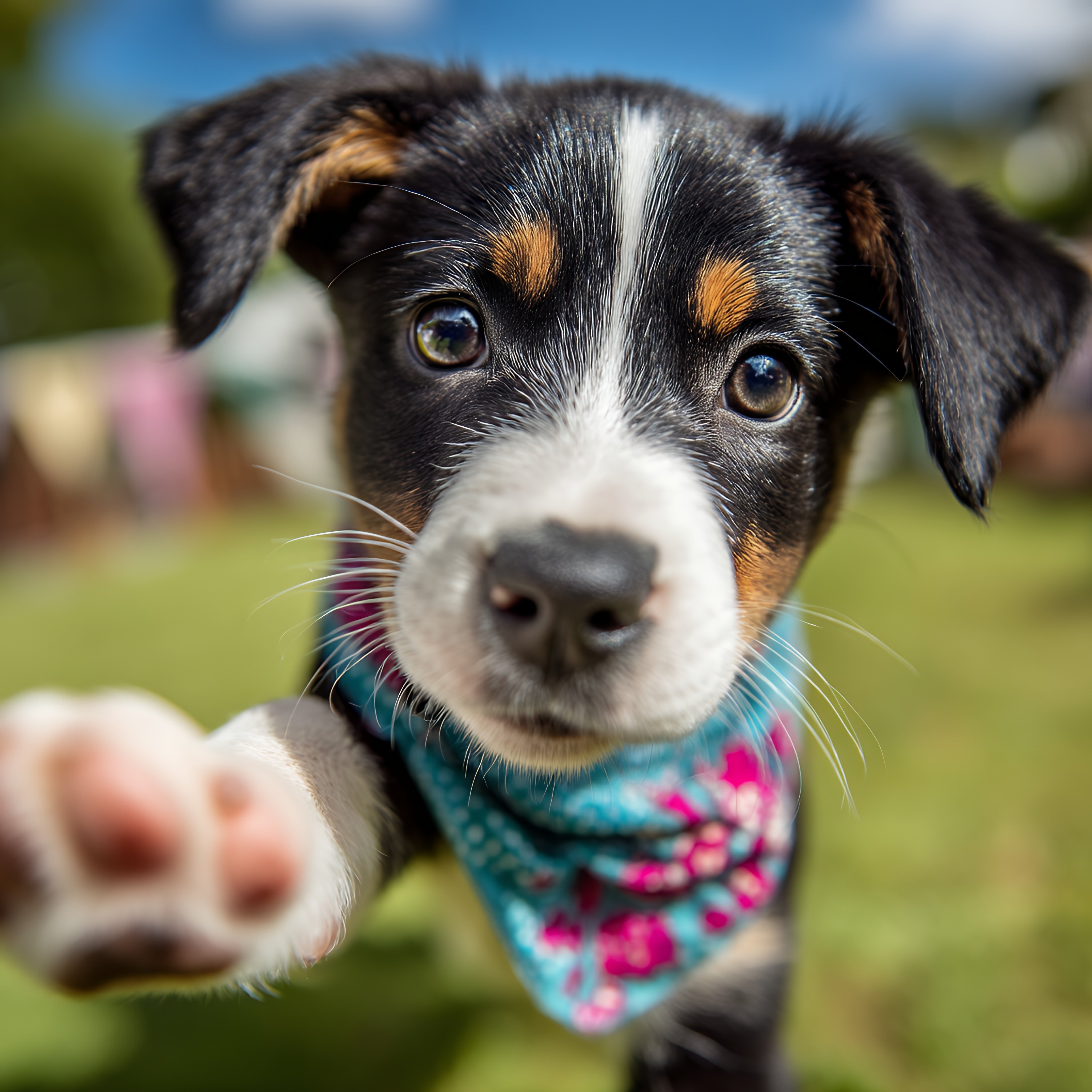
If you've ever rushed to your dog's side after hearing a dramatic yelp, only to watch them run around happily moments later, you may have wondered if they were putting on a show!
Surprisingly, some dogs fake injuries to get attention from their owners, and while they aren't pretending in the same way humans might, dogs are incredibly smart and can learn that certain behaviors earn them extra affection, treats, or concern.
Dogs are experts at observing human behavior, and this is the basis of positive reinforcement obedience training. They quickly figure out what gets a reaction, and usually this helps them develop good behaviors. However, if limping or acting hurt results in cuddles, praise, or a favorite snack, they may repeat the behavior, even when nothing is actually wrong.
In this article, we take a look at why dogs fake injuries, how to tell the difference between real and exaggerated pain, and what you should do if you suspect your puppy is acting up.
The answer is yes, but not quite in the way people often imagine. Dogs don't usually make a conscious decision to deceive their owners. Instead, they learn through experience by positive reinforcement. Usually, we try to make this intentional as part of their obedience training.
However, if a dog limps after bumping into something and immediately receives attention, they may associate limping with getting rewarded. Over time, they may repeat the limp whenever they want comfort, playtime, or extra affection.
Animal behaviorists often describe this as learned behavior rather than intentional manipulation. Dogs repeat actions that have worked well for them in the past, and so faking an injury can quickly become a learnt habit.
There are several reasons why dogs fake an injury. And the most common reason is quite simply to get attention. Dogs thrive on interaction with their families, and if they notice that pretending to be injured brings everyone running, they may continue the behavior whenever they feel ignored. This is especially common in dogs that spend long periods alone or have recently experienced changes in their routine.
Many owners offer treats to comfort an injured pet or encourage them to take medication. A clever dog can quickly connect limping with receiving delicious rewards. Before long, they may begin favoring one leg whenever they think a treat might be available!
Dogs can also fake injuries when they become jealous; this might be because another pet, child, or even a new partner receives more attention. Some dogs respond by acting unusually clingy, while others may suddenly develop a mysterious limp that disappears as soon as they're the center of attention again.
Dogs are also excellent observers, and if a genuine injury once earned them several days of constant affection, they may remember that experience and repeat similar behaviors later. It’s important to remember it’s not dishonesty; your dog is simply learning through repetition.
Although every dog is different, there are some clues that suggest the limp may not be caused by a serious injury. For example, a dog limping dramatically while you're watching, but running normally outside when chasing a squirrel or playing fetch. If the limp disappears during exciting activities and returns only when you are paying attention, it may be a learned behavior.
Or some owners notice their dog limping on one leg one day and another leg the next. Real orthopedic injuries usually affect the same limb consistently. Or they might suddenly forget they are hurt, and you see your supposedly injured dog may suddenly leap onto the couch, sprint across the yard, or jump into the car without hesitation. These inconsistencies can suggest the behavior isn't linked to significant pain.
Dogs experiencing genuine pain often show additional symptoms, including reduced appetite, sleeping more than usual, reluctance to climb stairs, changes in mood, and reduced physical activity. If your dog seems energetic and happy apart from occasional limping, they may simply be seeking attention.
Even though dogs fake injuries sometimes, it's important not to dismiss limping too quickly. Dogs instinctively hide pain, so by the time they're visibly limping, there may be a legitimate problem. There are many possible medical causes for limping, including sprains or strains, torn ligaments, arthritis, paw injuries, broken nails, insect stings, hip dysplasia, joint disease, and muscle soreness.
If your dog suddenly starts limping or the behavior lasts more than a day, it's always safest to schedule a veterinary examination. Veterinarians don't simply rely on what they see when your dog walks into the exam room but will conduct a thorough examination. If no injury is found and the limp disappears in different situations, your veterinarian may conclude the behavior is attention-seeking rather than medical.
Many dogs fake injuries because they’re bored. Increasing physical exercise and mental enrichment can reduce unwanted habits. You could try a range of fun enrichment activities such as food puzzle toys, snuffle mats, hide-and-seek games, interactive fetch, nose work games, and daily walks with opportunities to sniff and explore. A mentally fulfilled dog is often less likely to invent creative ways to capture your attention.
It may sound surprising, but dogs fake injuries often because they've learned the behavior gets results. They aren't trying to be manipulative; they're simply repeating actions that have previously earned comfort, treats, or affection. Whether your dog is putting on a dramatic performance or genuinely needs help, responding with patience, observation, and proper care is always the best approach.
While some dogs do exaggerate minor discomfort to become the center of attention, it's never wise to assume a limp is fake without first ruling out an underlying medical issue. Paying close attention to your dog's behavior, remaining consistent with positive reinforcement training, and consulting your veterinarian whenever something seems unusual will help keep your puppy both happy and healthy.
20 August, 2026