
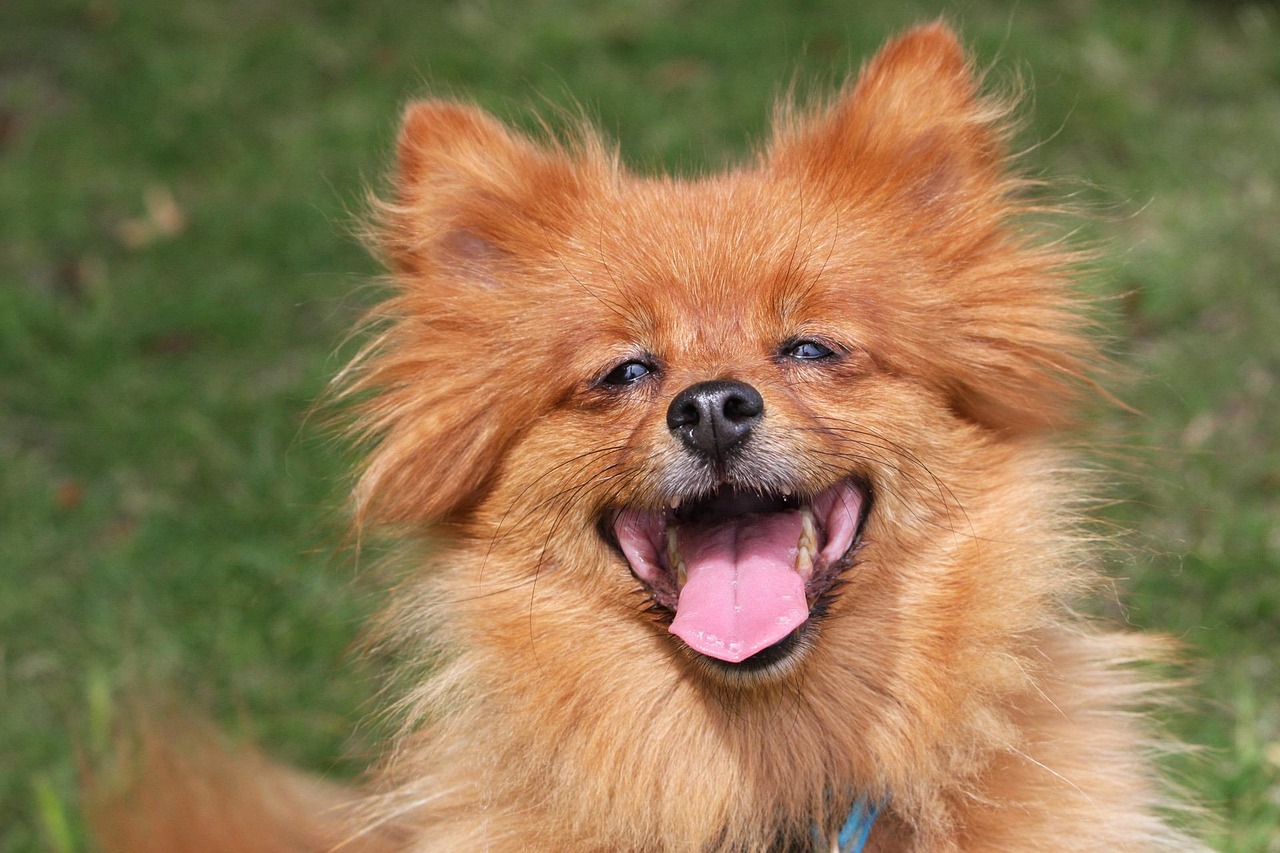
If you’ve ever left your dog alone and they’ve turned your lounge into a disaster zone, or when they have waited until you’re distracted to steal a tasty morsel of your lunch, you’ve put down then you might blame your dog’s energy or just consider them mischievous. But what if your dog isn’t acting out? What is there such a thing as dog humor?
It might not be something you’ve considered, as dogs can’t laugh in the way that we can, but recent research suggests that dogs can exhibit behaviors that closely resemble a human sense of humor. And sometimes, that humor is directed right at us! Understanding dog humor helps us understand how they communicate with us and strengthens the bond we have with our beloved pooches.
Humor is the ability to recognize surprise, or playfulness, often leading to laughter or amusement. Dogs display humor in a different way than we do. While we share jokes, enjoy comedies, or watch stand-up comedy, they are actually able to enjoy play and mischief in a humorous way. Dog humor often emerges during social interactions, both with humans and other dogs, and can include teasing, pranks, and playful deception!
For example, you might notice that your dog might hide a favorite toy and then pretend to be disinterested when you notice it missing, and then appear to delight in you looking for the toy frantically. Or have you ever noticed when your dog pretends not to understand a command and then does it slowly and exaggeratedly?
Or when your dog dashes across you when playing outside in an unpredictable zigzag to get you to chase them? This is not necessarily just playing to a dog, but demonstrates that they know you will react, so showing an idea of the concept of being able to surprise or trick their owner. This is a precursor to humor.
Consider how you respond in these situations. When you find your dog's toy in a random place? Do you often chuckle and ask your beloved pooch what they were doing putting their toy there? Or do you laugh when your dog performs crazy looking antics in the yard? Our dogs are certainly able to make us laugh, so it’s no surprise that dog humor can be seen. We just have to understand how they communicate in a different way from us.
Several studies have explored dogs’ cognitive abilities and emotional complexity, revealing surprising evidence of a sense of humor. A notable study from researchers at the University of Lincoln in the UK observed dogs in social settings and recorded what they called “playful teasing.” They found that dogs would intentionally mislead humans or other dogs during games. For example, pretending to offer an object and pulling it away at the last second.
Another study focused on canine vocalizations found that when engaging in mischievous behavior, dogs sometimes make a “play vocalization” which seems to signal that they are aware of the playful nature of their actions and not trying to cause real harm or aggression. In other words, dogs can intentionally provoke amusement through behavior that humans often interpret as humorous.
You can probably think of many ways in which your dog makes you laugh. Common ways in which they do so are by pretending, for example, giving you their toy and then snatching it back as soon as you take it. Or they might behave playfully with other dogs, such as exaggerated rolls or chasing that is meant to surprise the other dog. We also know how funny dog zoomies can be, running around in circles with excited bursts of energy.
Your dog might enjoy playing pranks on people, such as jumping onto beds or hiding objects. When your dog makes you laugh, you might find that you are reinforcing a behavior with positive reinforcement from your enjoyment. So if your dog pulls a funny face when asking for tummy rubs and you laugh, then they might learn to make this face every time because of their sense of dog humor!
These kinds of actions show that dogs are not just responding on instinct but actually choosing to behave playfully or mischievously as a way to socialize and show dog humor. And that play can be at your expense! Like when your dog stealthily removes your socks and watches your reaction with what could only be described as smug satisfaction!
Humor in dogs is likely part of social bonding. Playful teasing, misdirection, and surprise can help dogs navigate social dynamics while keeping interactions safe and fun. In short, dog humor strengthens the bond between pets and their humans.
When your dog teases you or makes you laugh, it’s more than a coincidence. They are engaging in social play that encourages interaction and emotional connection and can help relieve stress and lighten tense situations. They might also use humor to make the day more fun, especially when you’re doing a boring task like chores!
Certain dog behaviors suggest a sense of dog humor, so you can look out for playful deception, such as your dog intentionally misleading you during games or interactions. Or your dog anticipates your reaction, such as gauging your response and adjusting their actions for maximum comedic effect.
You might also see dog humor if they repeat behaviors that elicit laughter or surprise, showing awareness of cause and effect, or include you in their play in a way that feels deliberately amusing and causes you to laugh.
Although dogs don’t laugh in the same way as humans, they do have a “play pant,” a distinctive vocalization during joyful or playful activities. A dog’s wagging tail, bouncy movements, and happy vocalizations are all ways in which dogs can exhibit a sense of humor.
Next time your dog hides their toy in your washing, hides in a closet, or suddenly bursts into a zoomies for no reason, consider that they might just be having a laugh at your expense and might just be exhibiting dog humor! Dog humor is real, rooted in play, social bonding, and cognitive awareness. Dog humor helps dogs to communicate with us and can relieve stress, as humor does for us. By sharing in their joy, we strengthen the bonds between our beloved canine companions.
30 March, 2026